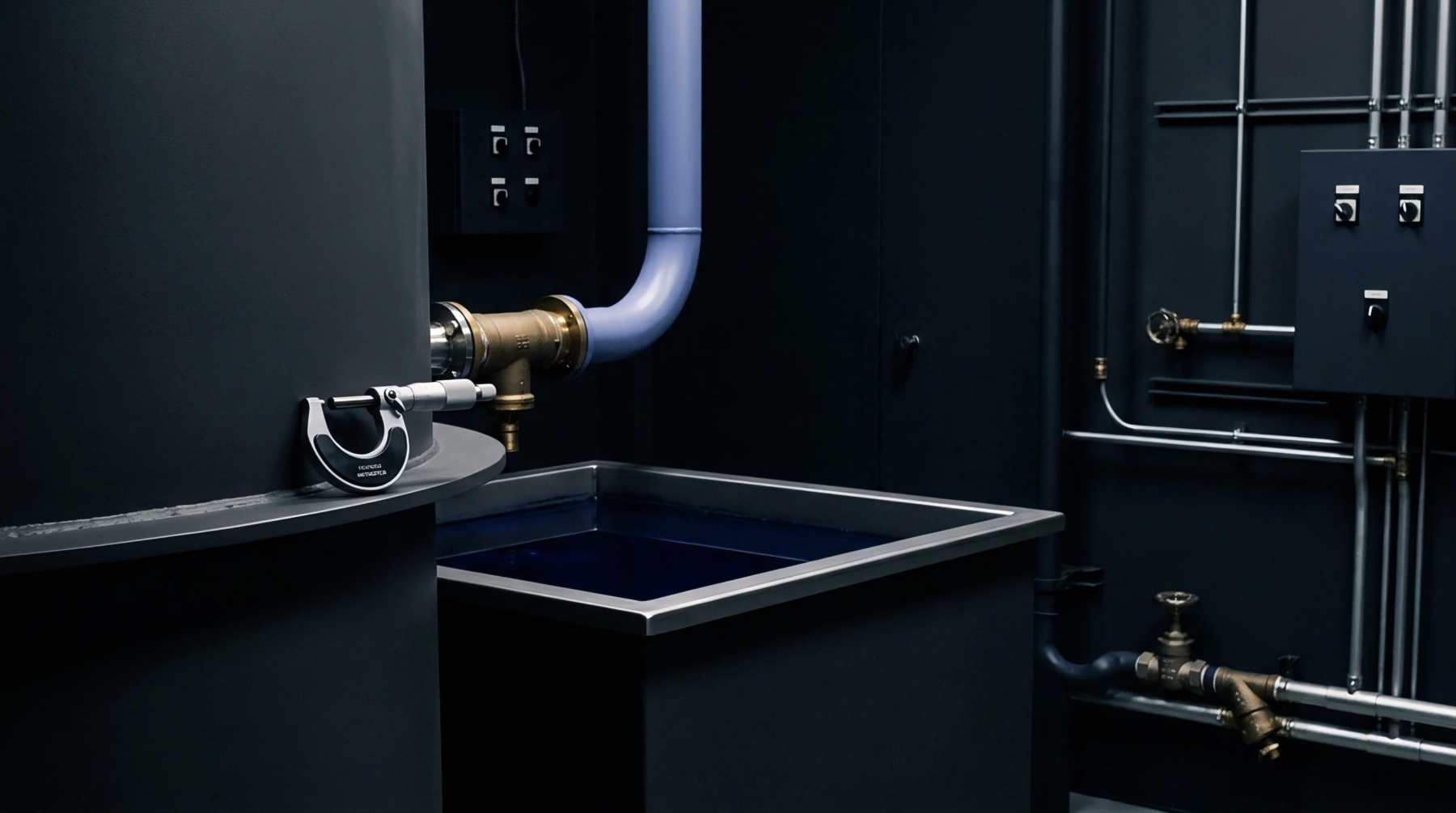
Pneumatic Balance
Equalized atmospheric force maintained across isolated vessel compartments ensures uniform liquor levels and balanced mechanical tension during multi-rope fabric processing. In multi-strand jet dyeing machines, chamber pressure parity prevents dye liquor from migrating unevenly between adjacent storage tubes. Unbalanced gas or liquid pressures cause liquid accumulation in lower-pressure chambers, causing shade variations and irregular fabric run speeds across parallel ropes.
Liquor Displacement
Pressure differentials generate hydraulic displacement across internal headers. Absent chamber pressure parity, dye liquor shifts toward low-pressure zones, starving adjacent ports of required fluid volumes.
Multiport Equilibrium
Maintaining identical vessel pressure requires continuous monitoring of individual air displacement lines and overflow bypass valves. When chamber pressure parity fails during high-temperature polyester processing, pressurized steam creates localized force pockets that alter fabric loop velocities. Ropes moving through higher pressure zones experience increased mechanical drag, leading to surface abrasion and non-uniform dyestuff fixation across the batch.
Balancing port relief valves restores uniform pressure distribution, stabilizing liquor displacement and preserving consistent fabric loop cycle times across all running channels.
Operating Limit
Atmospheric pressure balancing mechanisms function only within closed, pressurized dyeing systems operating above atmospheric boiling thresholds. Open atmospheric winches and partially flooded vessels bypass internal pneumatics, making chamber pressure parity inapplicable to low-temperature natural fibre scouring operations.