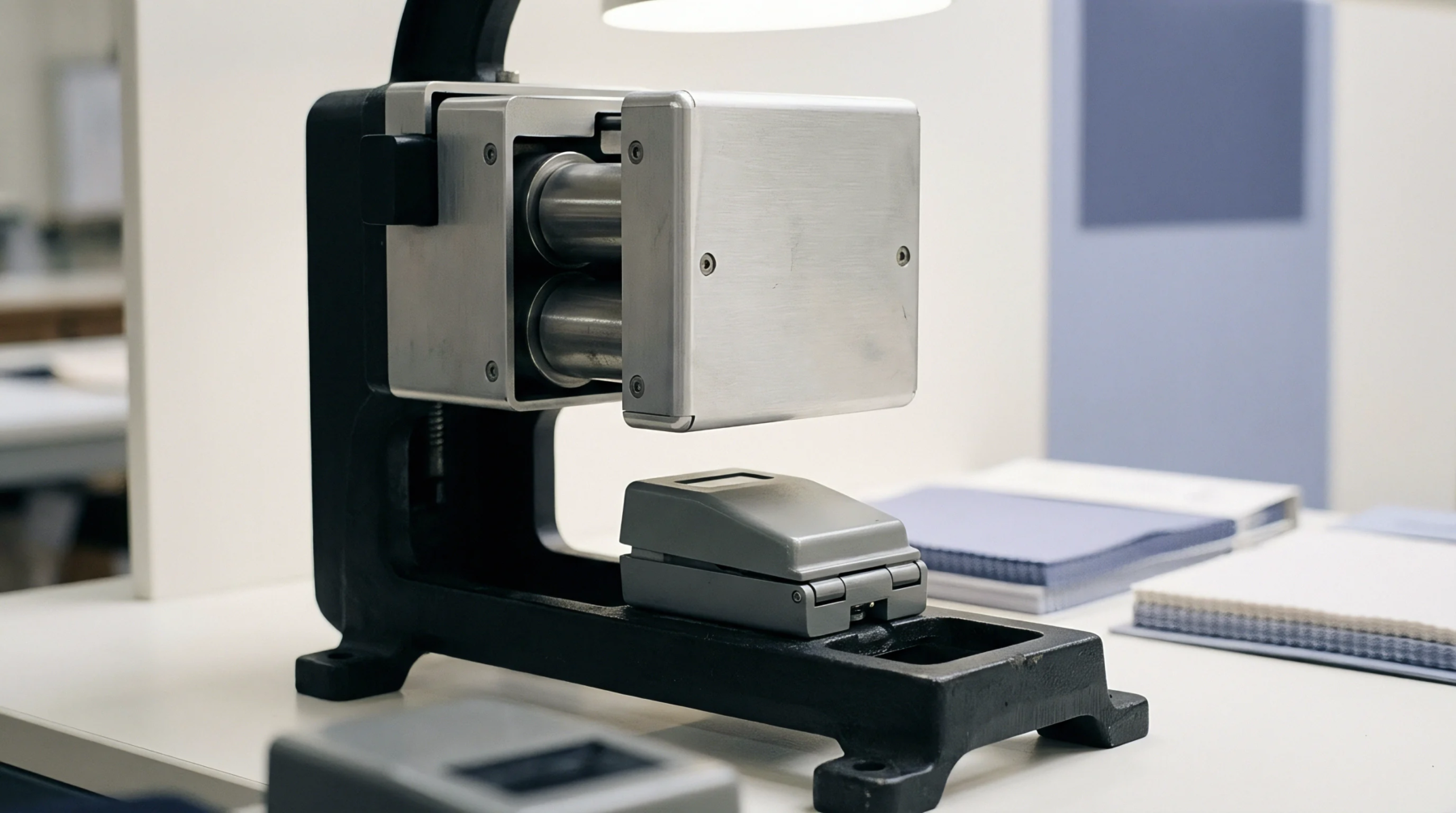
Chemical Extractant
Buffered solutions maintain a stable acidity level during the laboratory extraction of organic compounds from textiles. Using a citrate buffer ph 6 provides the specific environment required to isolate and detect forbidden aromatic amines under standard azo dye testing protocols. This chemical agent prevents premature degradation of the analytes during the initial heating phase of the assay.
Extraction Mechanism
The extraction process relies on the buffer to keep the pH from shifting as the fabric sample is heated in the solvent. When polyester or cotton swatches undergo analysis, the solution must remain at a stable level of acidity to ensure complete reduction by the sodium dithionite reagent. Shifts in pH during this stage can cause incomplete cleavage or destroy the targeted amine molecules, yielding false negative results.
Maintaining this steady pH level ensures that any restricted amines are released uniformly and can be measured accurately.
Testing Standard
International test methods like those defined by ISO specify the exact chemical composition of buffers used in leather and textile screening. Prepared mixtures are tested with a calibrated pH meter prior to every extraction series.
Production Compliance
Garment mills monitor the chemicals used in their dyehouses to avoid any materials that might trigger positive results in buffer extractions. Clean formulations reduce the likelihood of finished product recalls and regulatory compliance issues.