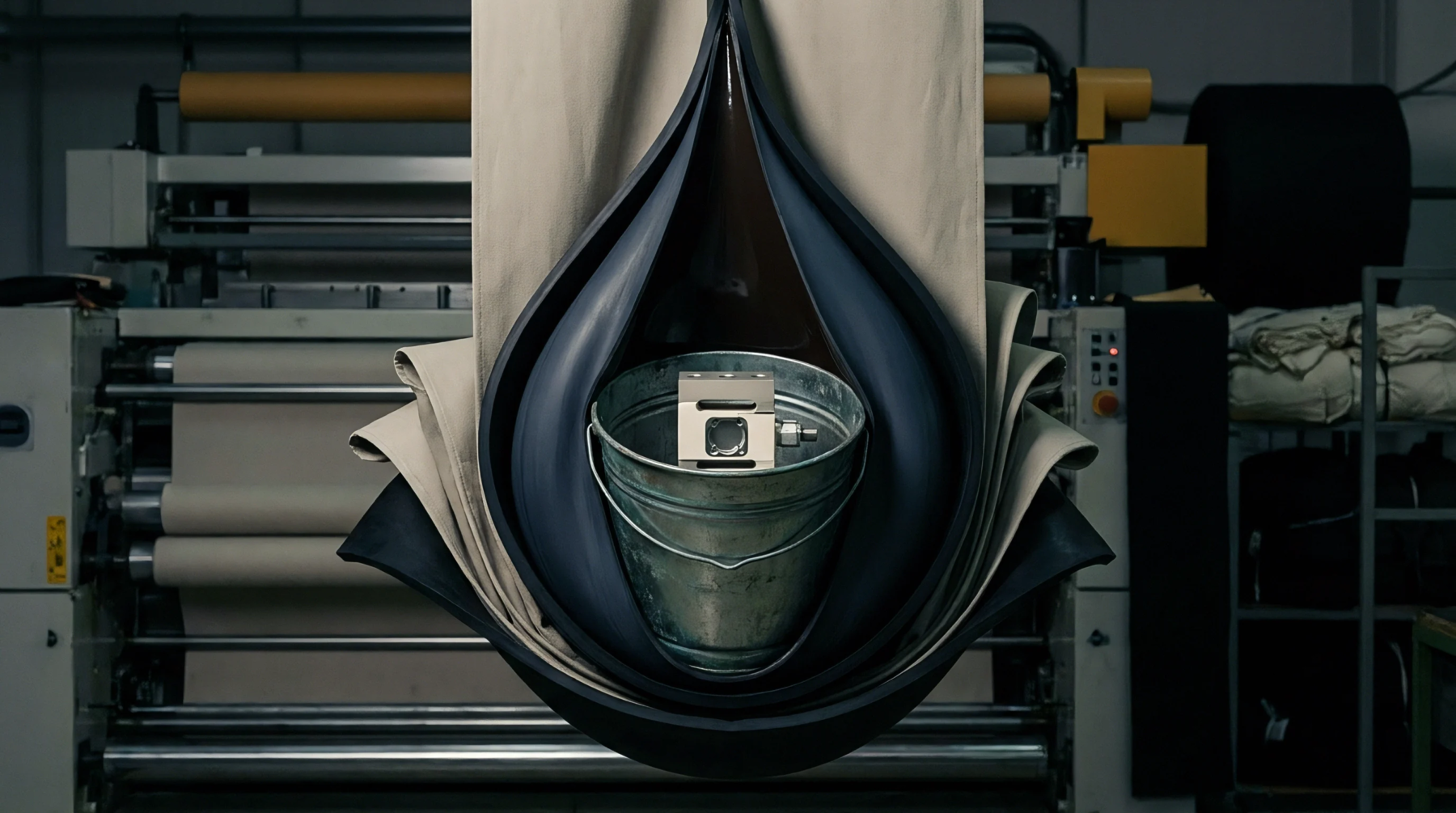
Internal Failure
Separation occurs within the substance of an adhesive or coating layer rather than at the interface with the textile substrate. A cohesive fracture indicates that the bond between the chemical agent and the fabric surface remains intact while the internal structure of the substance itself fails. This mode of failure is common in laminated fabrics where the polymer film splits apart under mechanical stress.
Bond strength measurements in peel tests often distinguish this result from adhesive failure.
Bond Evaluation
Testing procedures for fused interlinings or laminated technical textiles quantify the force required to induce separation. This cohesive fracture reveals that the chemical formulation lacks sufficient internal strength to withstand the specified load. It demonstrates that the surface preparation of the base cloth was successful.
Failure Analysis
Observations of the rupture site show residue on both separated surfaces (the face fabric and the backing material). When a cohesive fracture occurs during a pull test, the recorded value represents the ultimate tensile strength of the adhesive material itself. High viscosity or improper curing cycles contribute to these internal splits.
Production Control
Adjustments to the resin crosslinking density or the thickness of the application layer help mitigate these occurrences. Uniform heat distribution across the lamination rollers ensures consistent internal bonding.