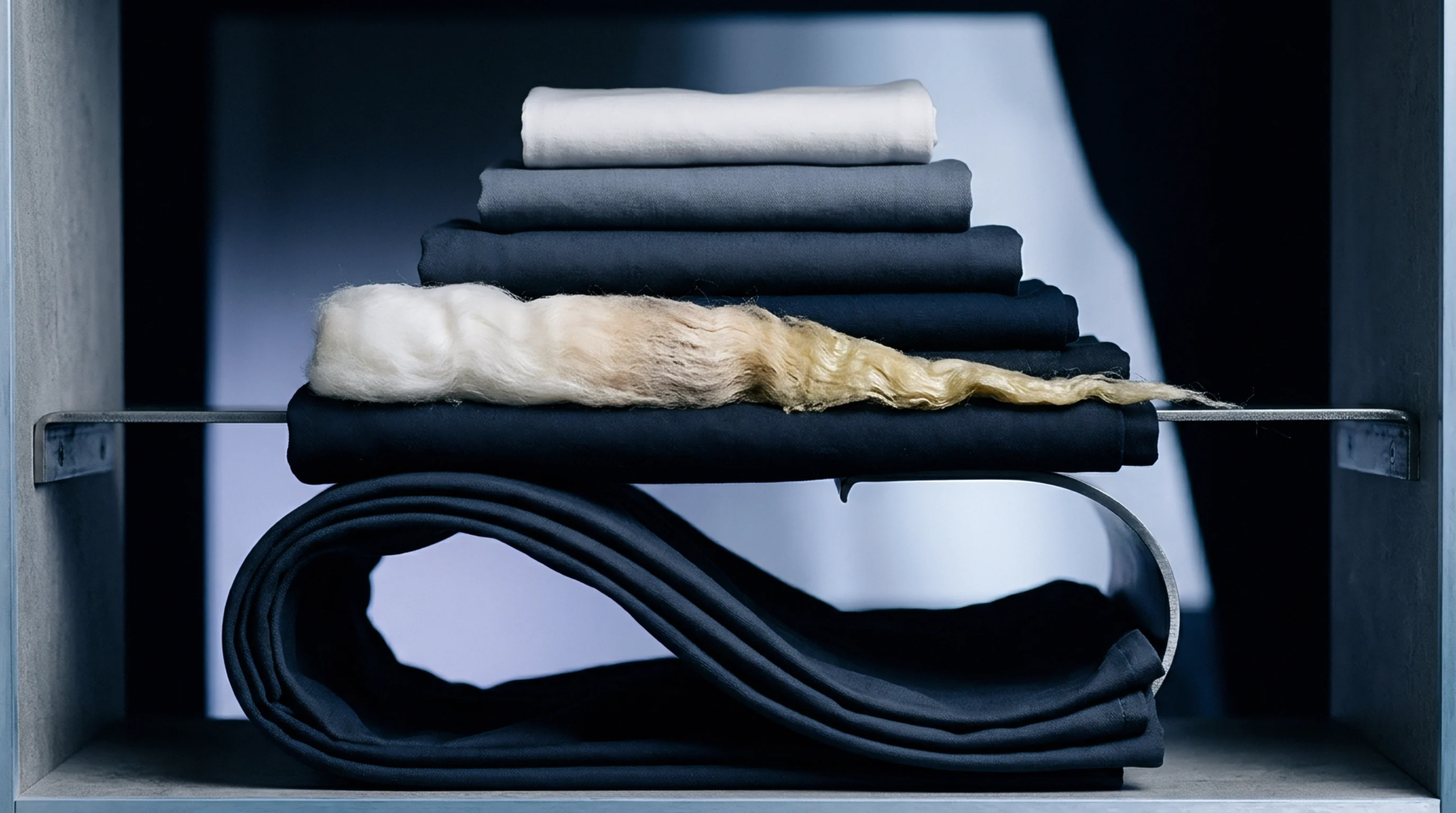
Fibre Classification
Measurement of staple length determines the appropriate spinning system and expected yarn quality for natural fibres like cotton. This commercial staple grade acts as a baseline classification that separates bulk raw material into tiers based on average fibre length and uniformity. The category dictates the mechanical limits of the draw frame and the tensile strength of the resulting yarn.
Processing Baseline
Mills apply these designations to organize inventory according to the physical capability of the raw stock. Each category identifies a specific length range that remains consistent across international trade protocols. Spinning equipment requires a defined staple length to maintain consistent tension and twist during the drafting process.
Quality Threshold
Consistency of length distribution impacts the frequency of fibre breakage during high speed ring or rotor spinning. Higher grades signify longer average lengths that reduce hairiness and improve the luster of the final fabric. Lower categories require slower machinery speeds to prevent excessive waste generation at the carding stage.
Trade Constraint
Procurement contracts rely on these markers to fix price points for commodities in the global market. Sellers use the grade as a guarantee of performance for prospective spinning operations. Variation within a single lot results in uneven yarn density and structural weaknesses that appear as defects in finished cloth.