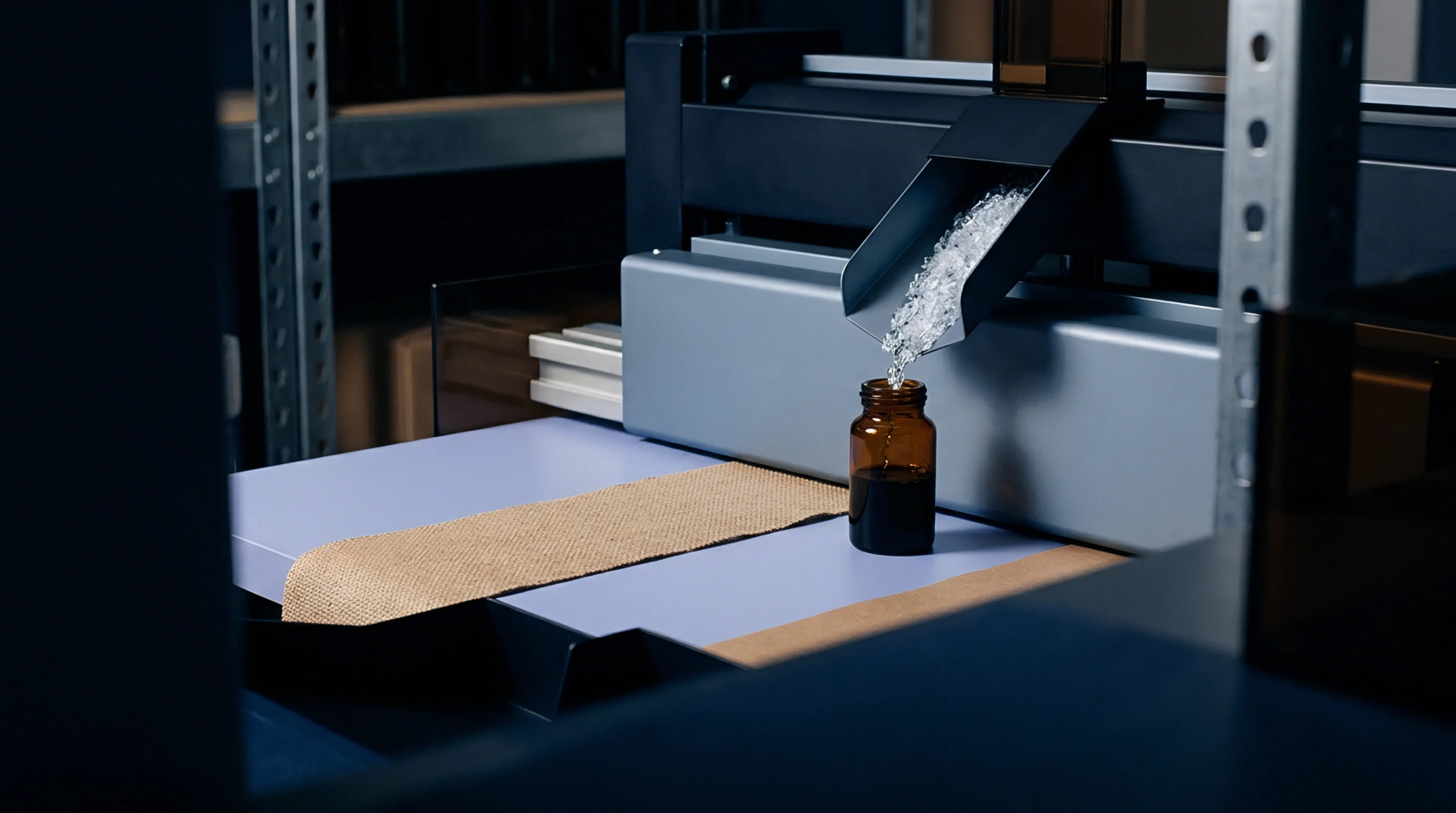
Alkali Concentration
Caustic soda strength regulation operates within wet processing finishing machinery during continuous mercerization control. Caustic soda solution concentration determines swelling intensity within cellulose macromolecular chains. Sodium hydroxide application requires absolute precision inside heavy-duty impregnation compartments.
Cotton yarn or woven goods pass through saturated lye baths under tension to restructure internal hydrogen bonding. Insufficient chemical strength yields incomplete fiber swelling, while excessive alkali concentration risks polymer degradation and excessive chemical consumption downstream.
Tension Regulation
Longitudinal fabric dimensional stability relies on synchronized nip roller assemblies throughout continuous mercerization control. Fabric shrinkage forces develop rapidly upon alkali contact, demanding precise counter-tension from mechanical drive motors. Mechanical pull maintains desired width dimensions within predetermined commercial tolerances before final stabilization occurs.
Improper roller speed matching induces creasing or warp breakage across wide fabric webs. Tension feedback loops adjust motor frequencies instantly to compensate for fabric weight variations and moisture content shifts.
Washing Efficiency
Residual lye extraction demands high-volume counter-current rinsing stages inside continuous mercerization control architecture. Hot water sprays dilute surface alkali before neutralization baths neutralize trapped hydroxyl ions. Water temperature gradients promote rapid chemical diffusion out of dense fiber lumens without leaching dyestuffs from previously dyed substrates.
Incomplete chemical removal causes subsequent yellowing during thermal drying processes. Laboratory titration of wash water overflow confirms complete alkali elimination prior to final batch release.
Dimensional Stability
Final fabric shrinkage performance depends entirely on strict adherence to continuous mercerization control parameters during production runs. Residual dimensional change percentages drop significantly after crystalline lattice transformation from cellulose one to cellulose two occurs. Fabric hand feels firmer and dye affinity increases permanently once lattice rearrangement finishes.
Commercial buyers verify these structural modifications through standardized wash test protocols in certified testing laboratories.