Nonlint Material
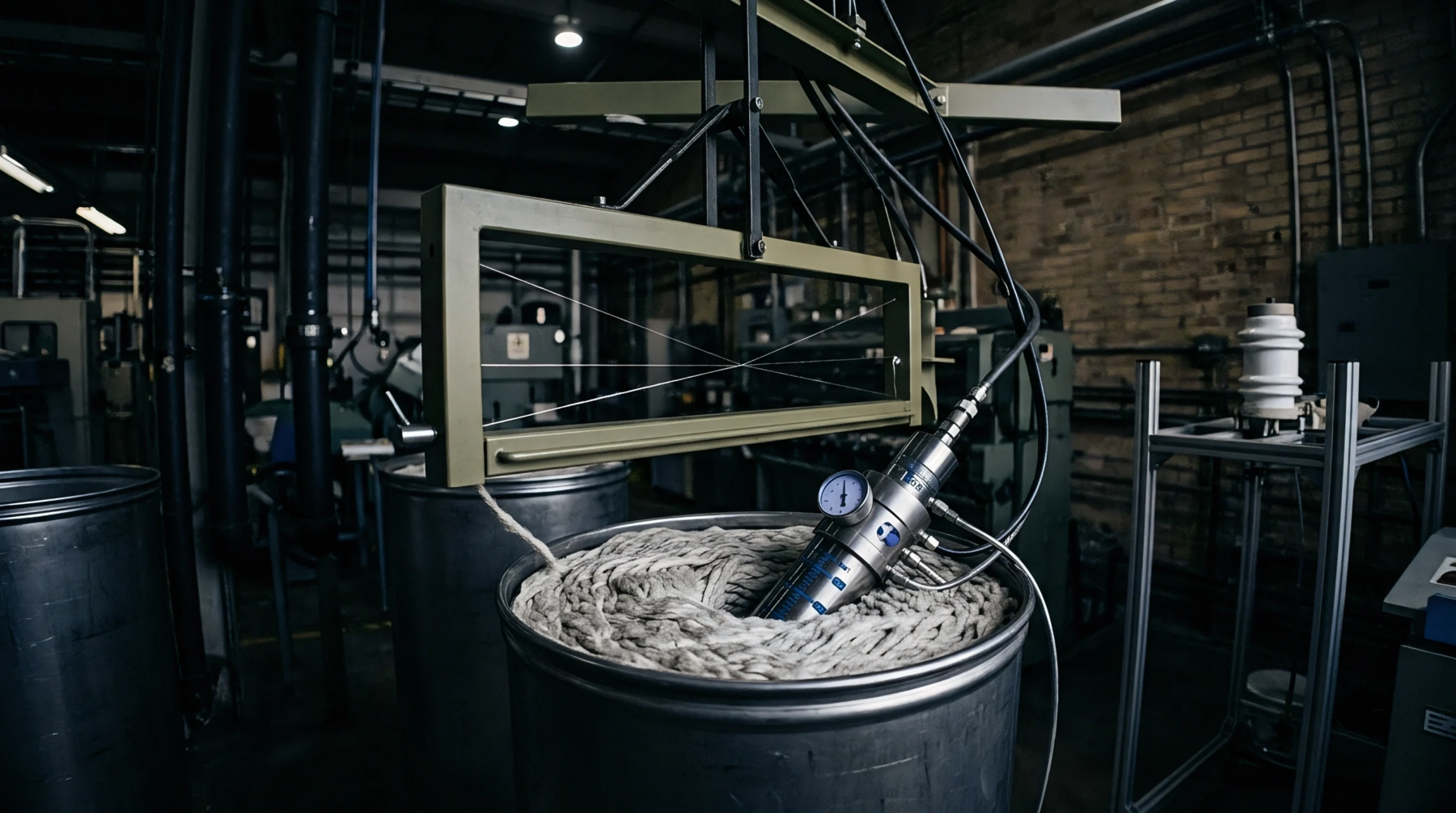
Harvested plant debris and synthetic trash mixed with seed cotton comprise the bulk of impurities in raw cotton bales. During cotton foreign matter evaluation, inspectors identify leaf fragments, seed-coat fragments, bark, dust, and polypropylene twine pieces. These extraneous substances reduce the commercial grade of the fiber and must be removed to prevent yarn imperfections.
Measurement Metric
High volume instruments quantify these impurities by measuring the surface area covered by non-lint particles on a compressed fiber sample. This testing identifies cotton foreign matter as a percentage of the total sample weight or surface area. Spinning mills use this measurement to predict the yarn cleanability and waste percentage of each incoming cotton lot.
Spinning Consequence
Entrained leaf particles and bark cause frequent yarn breakages during the high-speed ring or rotor spinning process. If cotton foreign matter escapes the initial cleaning lines, it becomes embedded in the yarn structure, creating uneven thickness and weakening the tensile strength. The resulting yarn produces uneven surfaces in woven fabrics and causes visible spots in dyed textiles.
Extraction Process
Mechanical cleaning lines in the blowroom use centrifugal force to separate the heavier trash from the lint. This action removes cotton foreign matter without damaging the cotton fibers.