Spectral Standard
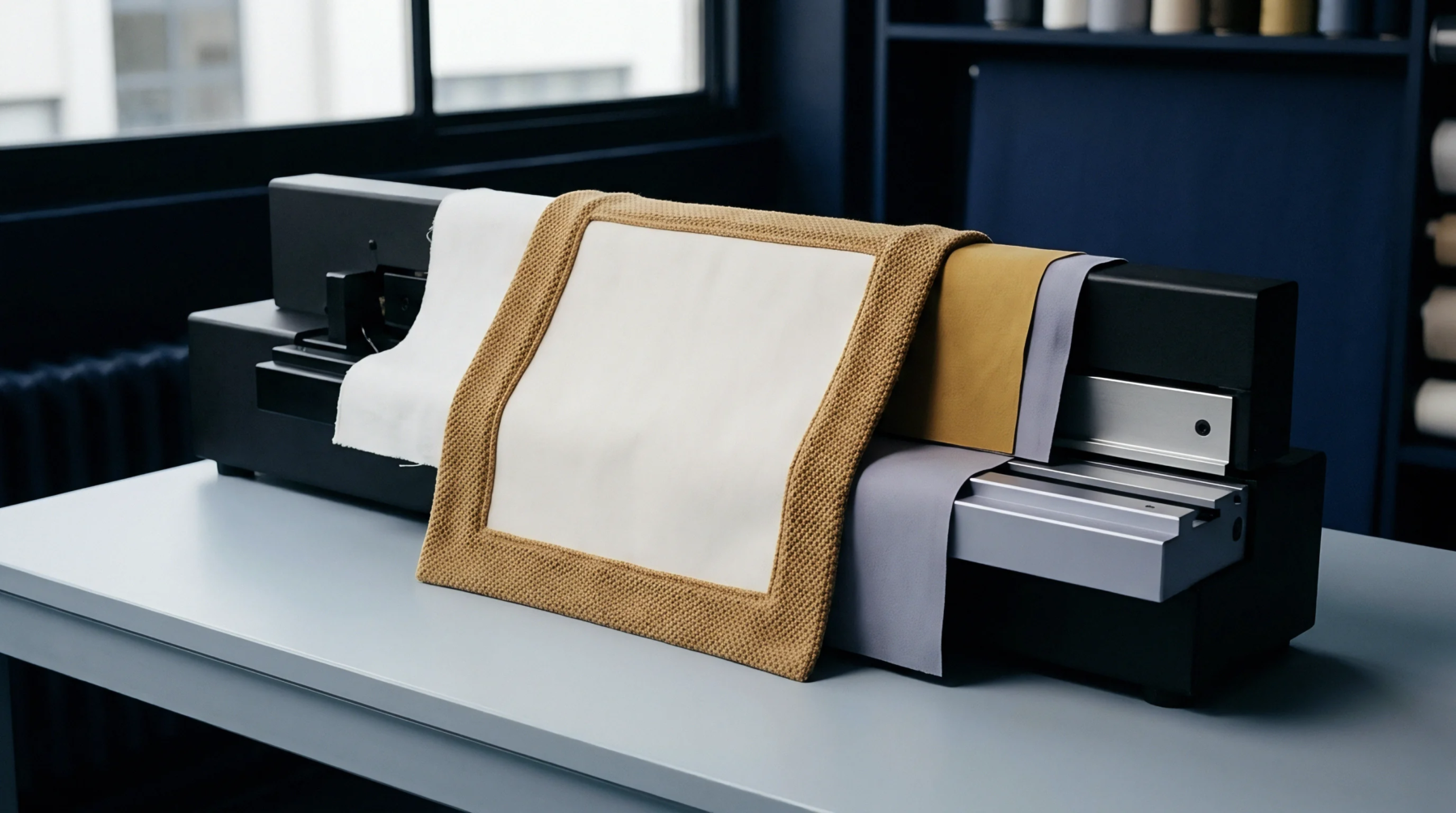
Simulated daylight creates a stable environment for visual color assessment by providing an spectral power distribution that mimics the phase of natural sky light at a correlated color temperature of 6500 Kelvin. A d65 daylight simulator generates this specific light quality through filtered xenon arc or fluorescent sources to meet the requirements of international standards like ISO 105 or ASTM D1729. Consistency in lighting allows colorists to detect metamerism where two fabric samples appear to match under one source but differ under another.
Operational Calibration
Precision in testing depends on the maintenance of these lamps which degrade over time and change the spectral output. Calibration protocols track the hours of use against the manufacturer specifications to ensure the radiant energy remains within strict tolerances. Technicians replace tubes before the spectral shift compromises the validity of pass or fail decisions.
Accurate simulation provides the baseline for comparing dyed substrates against master standards under repeatable conditions.
Chromatic Assessment
Textile production relies on this equipment to verify consistency between laboratory dyeings and bulk production batches. Light boxes housing the simulator permit the evaluation of color fastness and shade matching on fabrics or yarns under controlled geometry. The setup prevents variables such as ambient light or time of day from distorting the observation of delicate color differences.
Industrial quality control processes treat this light source as the reference point for all visual color communication.
Technical Boundary
Energy limits define the application of the d65 daylight simulator by excluding other phases of natural light such as horizon sunlight or incandescent bulbs. The standard governs only the visible spectrum and does not account for the ultraviolet region unless specific filters are installed to address fluorescent dyes or optical brighteners. Lighting configurations stop providing reliable data when the geometry of the viewing booth allows stray light to enter the testing area.
Valid results occur only when the specimen is positioned at a forty-five degree angle relative to the light source to minimize specular reflection.