Velocity Relationship
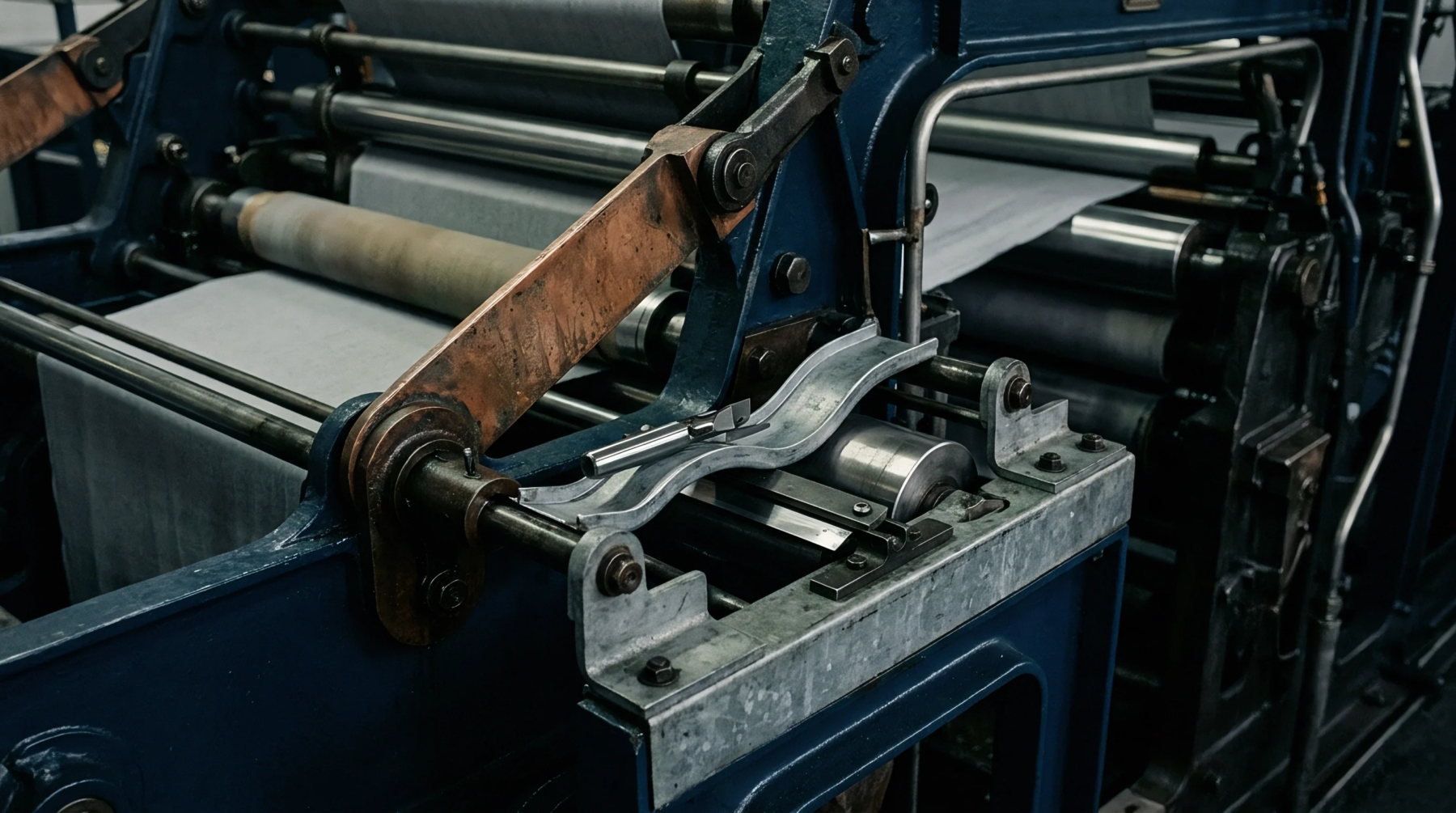
Mechanical settings on a finishing machine control the relative speed between the entry rollers and the delivery rollers to manage fabric tension. The differential speed ratio determines whether a textile is stretched or compressed as it moves through the processing zones. This setting is fundamental to achieving the correct weight and density in finished goods.
Overfeed Control
Positive values in this setting indicate that the input speed is higher than the output speed, a condition often called overfeed. This application of the differential speed ratio allows the fabric to relax into the pins of a stenter, which reduces the residual shrinkage of the final product. Without this adjustment, the longitudinal tension of the machine would pull the loops or weave into an elongated state that would later collapse during laundering.
If the ratio is set too high, the fabric may sag or dislodge from the transport mechanism.
Surface Impact
Excessive stretching or crowding of the yarns alters the handle and visual appearance of the cloth. High ratios can lead to pucker or surface distortion if the fabric is not held firmly across its full width.
Production Accuracy
Engineers calibrate these ratios to match the specific recovery properties of different fibre blends. Correct application of the differential speed ratio ensures that a mill produces fabric that meets the exact gsm requirements of a buyer.