Mass Calculation
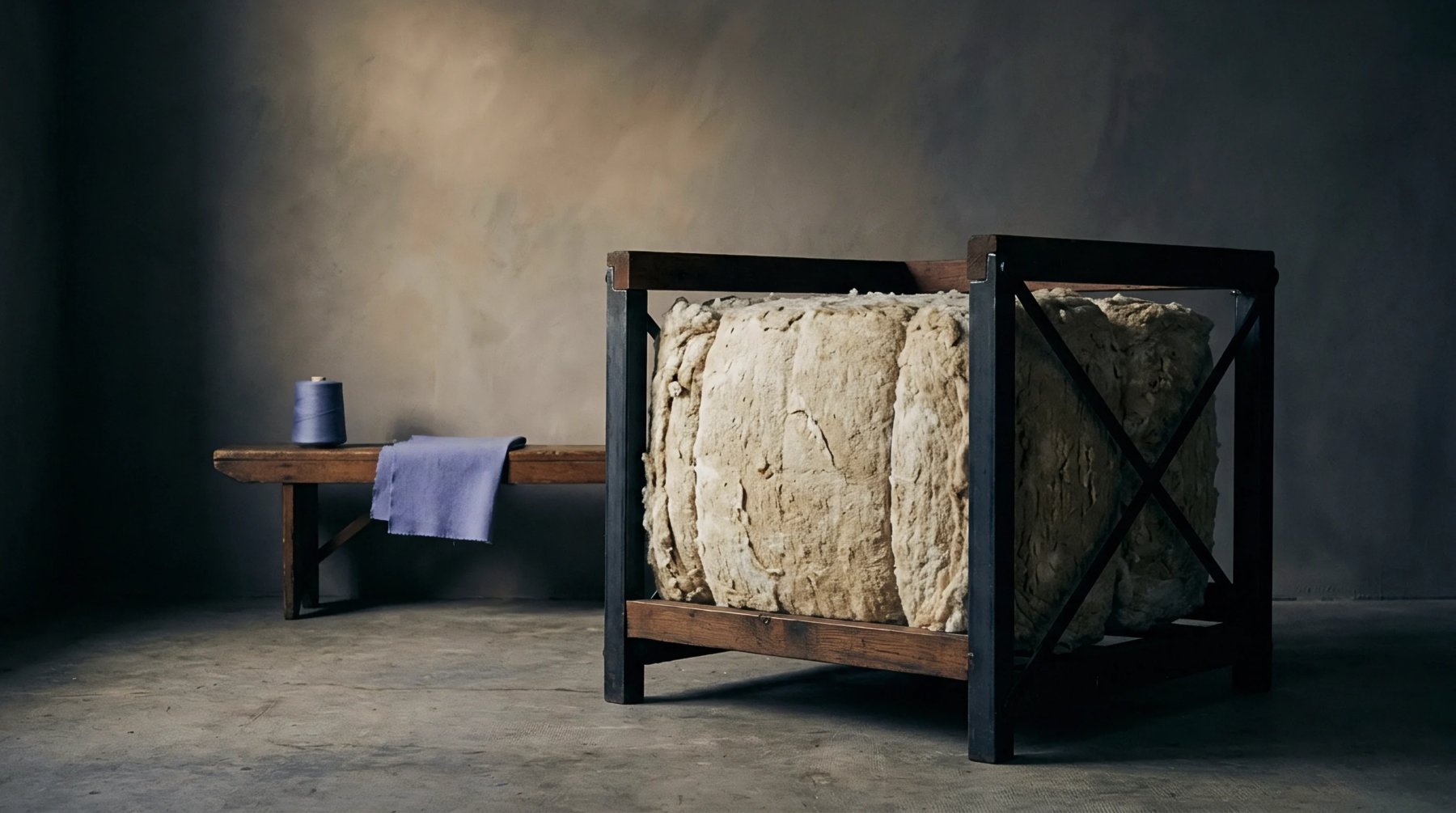
Commercial procurement of raw natural fibres often relies on the mass of the material excluding its inherent water content. Dry weight pricing establishes a fixed cost per kilogram of oven-dried fibre, ensuring that buyers pay only for the actual cellulose or protein content rather than for ambient moisture held within a bale. This avoids fluctuations caused by atmospheric humidity at the point of origin or destination.
Moisture Equilibrium
Relative humidity in warehouse environments shifts the weight of cotton or wool bales significantly between transit and storage. Dry weight pricing isolates the commodity mass by applying a standardized regain percentage to the conditioned weight. Testing laboratories determine this by extracting small samples from the bulk shipment and subjecting them to heat until all moisture evaporates.
The resulting constant mass allows the calculation of the correct net weight for invoicing purposes.
Contractual Assurance
Suppliers and mills adopt this financial mechanism to prevent disputes concerning shipping conditions or transit intervals. Precise measurement of the moisture regain limits the risk of paying for water weight that will vanish during processing. Standardized regain values provided by industry bodies define the acceptable moisture levels for specific fibre types.
Market Accuracy
Financial stability for high-volume raw material trade depends on these objective measurement protocols. Buyers gain protection against excessive moisture content, while sellers ensure fair compensation for the physical volume delivered. This method confirms the material purity of a shipment before it enters the production sequence.