Flow Ratio
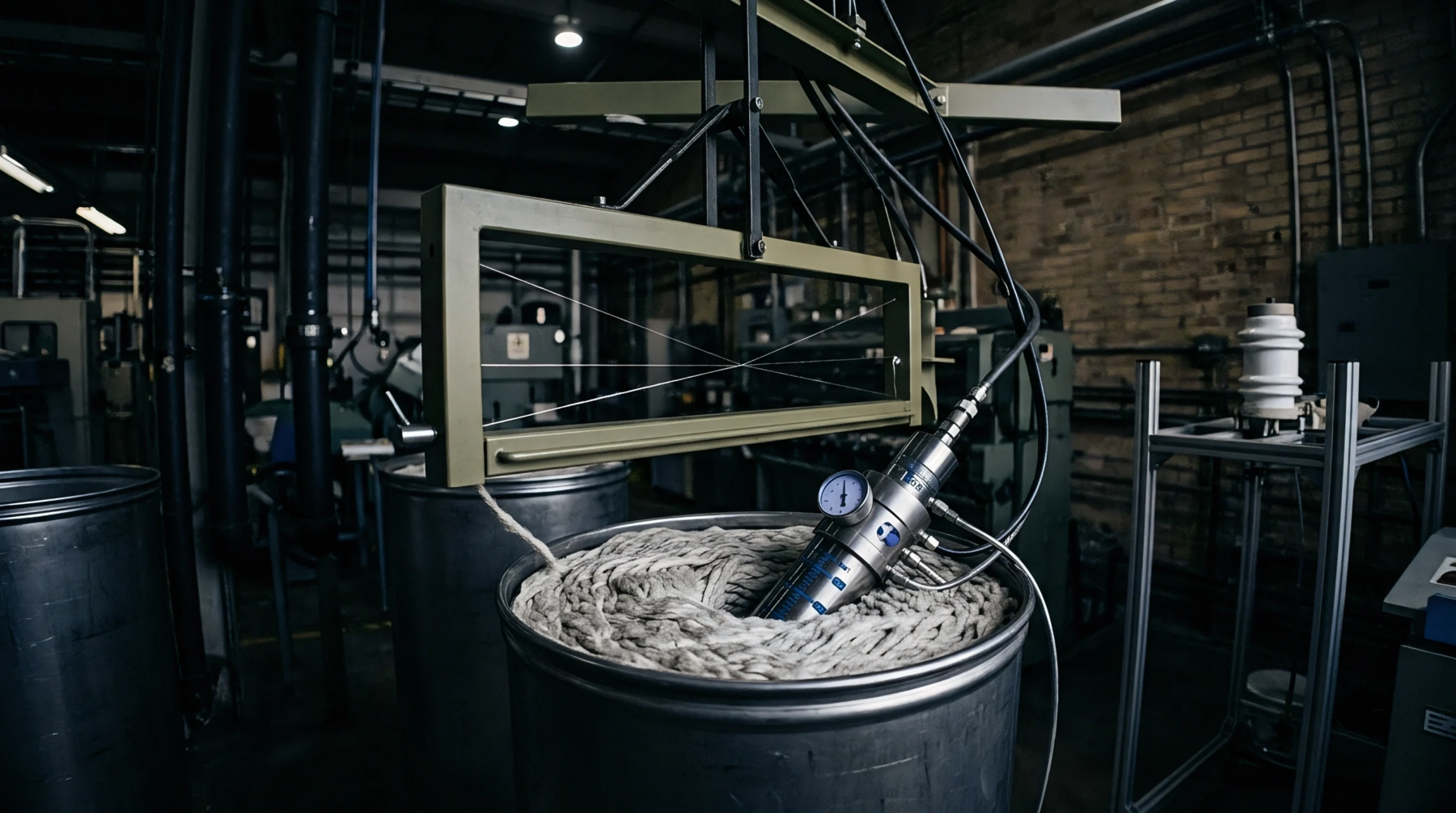
Aqueous processing cycles rely on the volume of bath liquid circulated through a textile substrate during high-pressure immersion. The dye liquor exchange occurs when the mass of pigment-laden fluid cycles through the interior of the fibre bundle and returns to the primary holding tank. This movement governs the rate at which chemical agents saturate the material surface.
Cycle Efficiency
Mechanical pumps force the fluid through the static package at fixed time intervals to ensure uniform distribution of solutes. Pressure sensors monitor the drop across the load to detect channel formation or density variations in the winding. Deviations in these flow rates signal inconsistent results that require immediate adjustment of pump frequency.
Consistent circulation maintains the chemical concentration balance across the entirety of the batch. High-speed fluid turnover reduces the probability of shaded areas on internal fabric layers.
Temperature Maintenance
Thermal energy travels with the moving liquid to assist in the adsorption of molecules into the polymeric structure of the yarn. Heating elements inside the circulation circuit provide the necessary activation energy to fix colours during the transit period. Maintaining a stable state throughout the movement prevents shock to the fibre which might otherwise result in poor colour fastness.
Substrate integrity remains protected by controlling the velocity of the liquid as it impacts the target density.
Equilibrium Dynamics
Achieving saturation at the fibre core depends on the total duration of the fluid movement relative to the chemical depletion rate. Precise control over this exchange cycle dictates the final depth of shade obtained after the material exits the pressurized chamber. Correct calculation of the turnover volume minimizes waste by preventing excess chemical additive usage.
Uniformity across the final product lot relies on the predictable outcome of this physical movement.