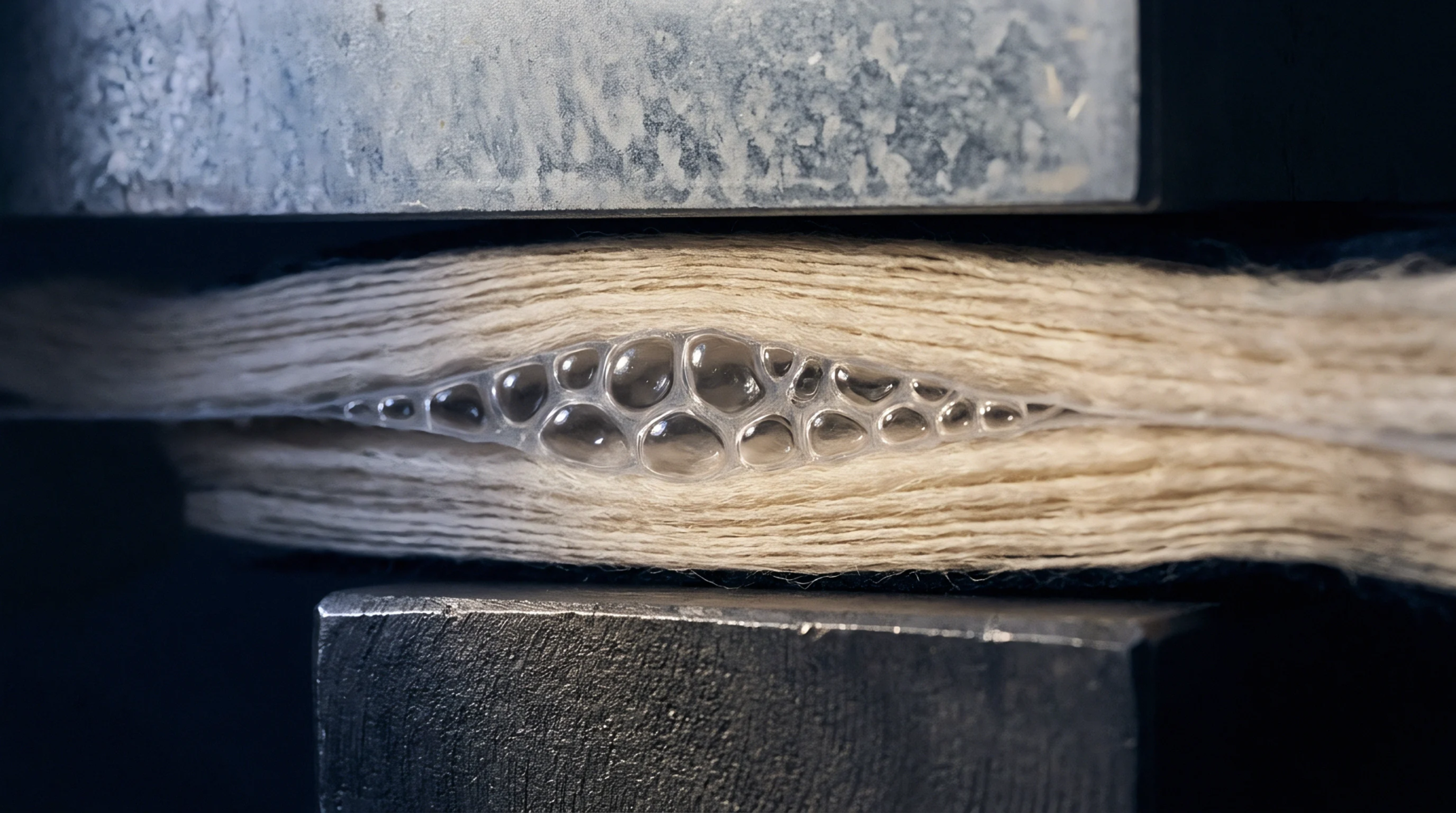
Moisture Regulation Property
Standardized testing procedures define dynamic equilibrium regain as the moisture content percentage maintained by textile fibres when exposed to fluctuating atmospheric conditions during transit or storage. This behaviour describes how a fibre base substance exchanges water molecules with the surrounding air to reach a state of relative stability after environmental shifts occur. Such measurements provide the reference point for assessing weight consistency in dry commercial goods.
Technical laboratories verify this property by subjecting raw fibre samples to controlled cyclic humidity changes while tracking mass deviations until weight gain or loss stops. Measuring this cycle establishes the baseline for mass calibration in high volume spinning plants where water weight accounts for significant variations in shipping manifests. Practitioners utilize this value to determine the invoice weight of fibre shipments because materials containing natural waxes or synthetic finishes alter the absorption rate compared to untreated raw substrates.
When fibres occupy a room with high humidity, the structure absorbs water vapour until the internal chemical potential matches the ambient pressure.
Application Threshold
Industry protocols limit the use of dynamic equilibrium regain data to periods before yarn spinning and finishing treatments occur. Fibre properties change when chemical agents or sizing lubricants coat the surface because these substances block access to the internal polymer chain sites. Weavers check this metric during the sorting of greige fabrics stored in warehouses without climate control systems.
Variations in humidity impact the tensile strength of natural fibres because water molecules act as plasticizers within the amorphous regions of the molecular structure. Excessive moisture retention increases the risk of mildew growth inside compressed bales, so mills prioritize accurate regain readings during the incoming inspection phase.
Production Mechanism
Manufacturing units utilize calibrated balance scales located in humidity chambers to isolate the regain behaviour of specific cotton or wool batches. Technicians weigh the sample, place it in a forced air oven to remove all moisture, and then weigh the dry matter again. The difference represents the mass of water held at the point of saturation.
Automated moisture meters now speed up this process by using electrical resistance sensors to calculate potential regain while the fibre moves along the conveyor belt. Consistent data ensures the consistency of yarn count during the drafting process.
Dimensional Stability
Variations in humidity levels create challenges for apparel manufacturers because fabric dimensions shrink or expand based on the final moisture saturation level. Garment factories reject textile rolls that exhibit high levels of erratic regain because these materials fail to maintain precise cutting patterns after processing through steamers or pressing machines. Finished apparel retains a stable internal water balance only if the environment remains uniform throughout the supply chain.
Fabric stability rests entirely on the predictable interaction between fibre chemistry and the air, ensuring that the physical dimensions of the garment remain fixed under standard wearing conditions.