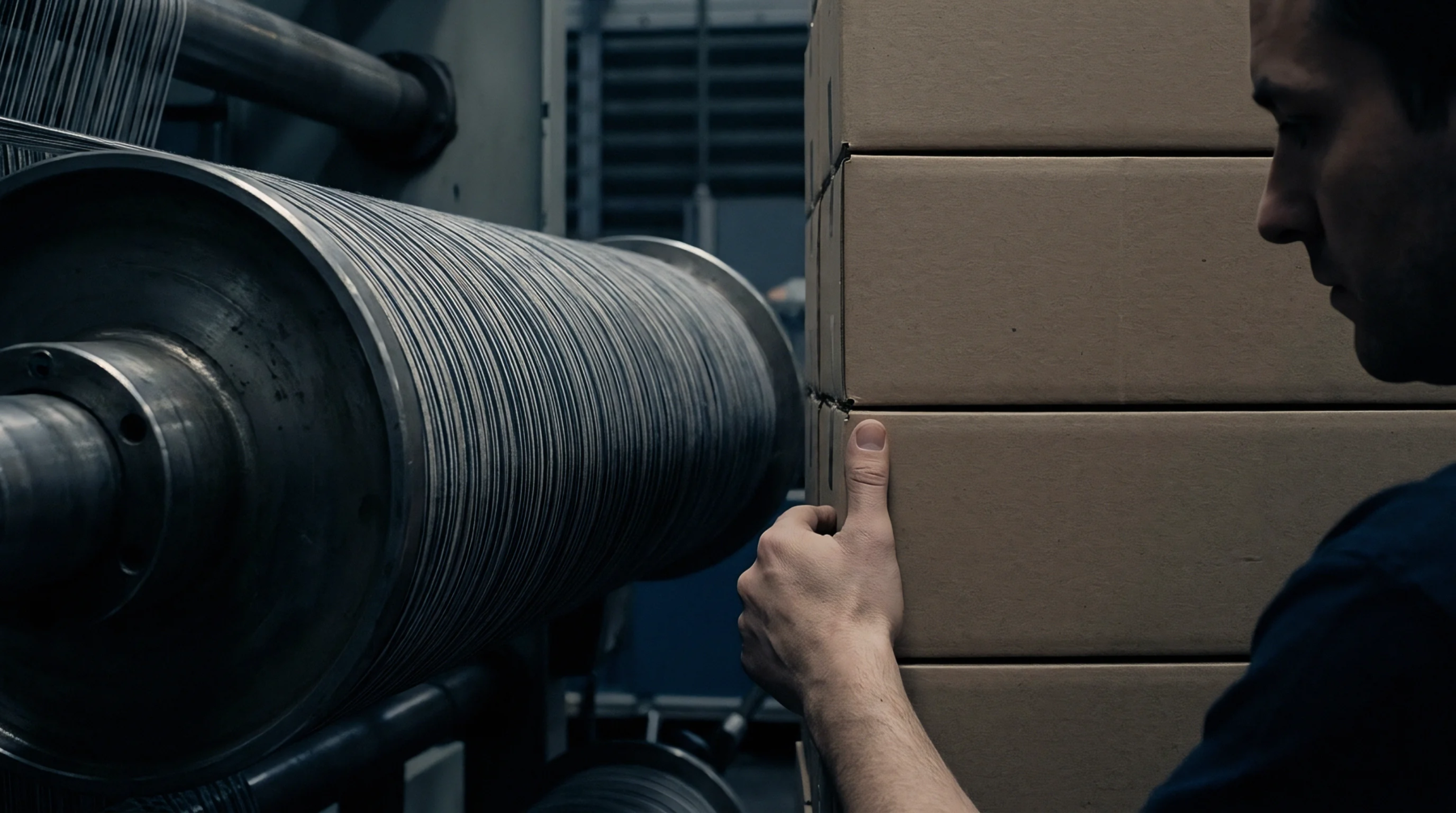
Frictional Resistance
Frictional forces arise when a moving textile strand passes over guide surfaces, pins and feeders during high-speed manufacturing processes. This physical resistance constitutes the dynamic yarn drag that directly determines the tension profiles within the machine. Proper lubrication of the strand diminishes this force, preventing unexpected breaks in knitting and winding operations.
Operators inspect guide wear patterns to maintain consistent friction levels.
Kinetic Influence
Rising speeds in modern weaving and knitting machines amplify the resistive forces acting on the running strand. Higher tension leads to a reduction in fabric elasticity and can cause visible defects like streaks or tight loops in the final structure. The tension also increases the heat generated at the contact points, which can degrade synthetic fibres.
Controlling these forces is essential for maintaining consistent fabric density.
Measurement Method
Specialized testing instruments measure the tension difference before and after the contact point to calculate the friction coefficient. These lab-scale tests use calibrated sensors that record high-frequency tension peaks as the material runs at speeds up to one thousand meters per minute. The collected data guides the selection of spin finishes and surface coatings for machine parts.
Process Control
Tension control systems modify feeder speeds dynamically. This adjustment stabilizes the strand tension.