Core Separation
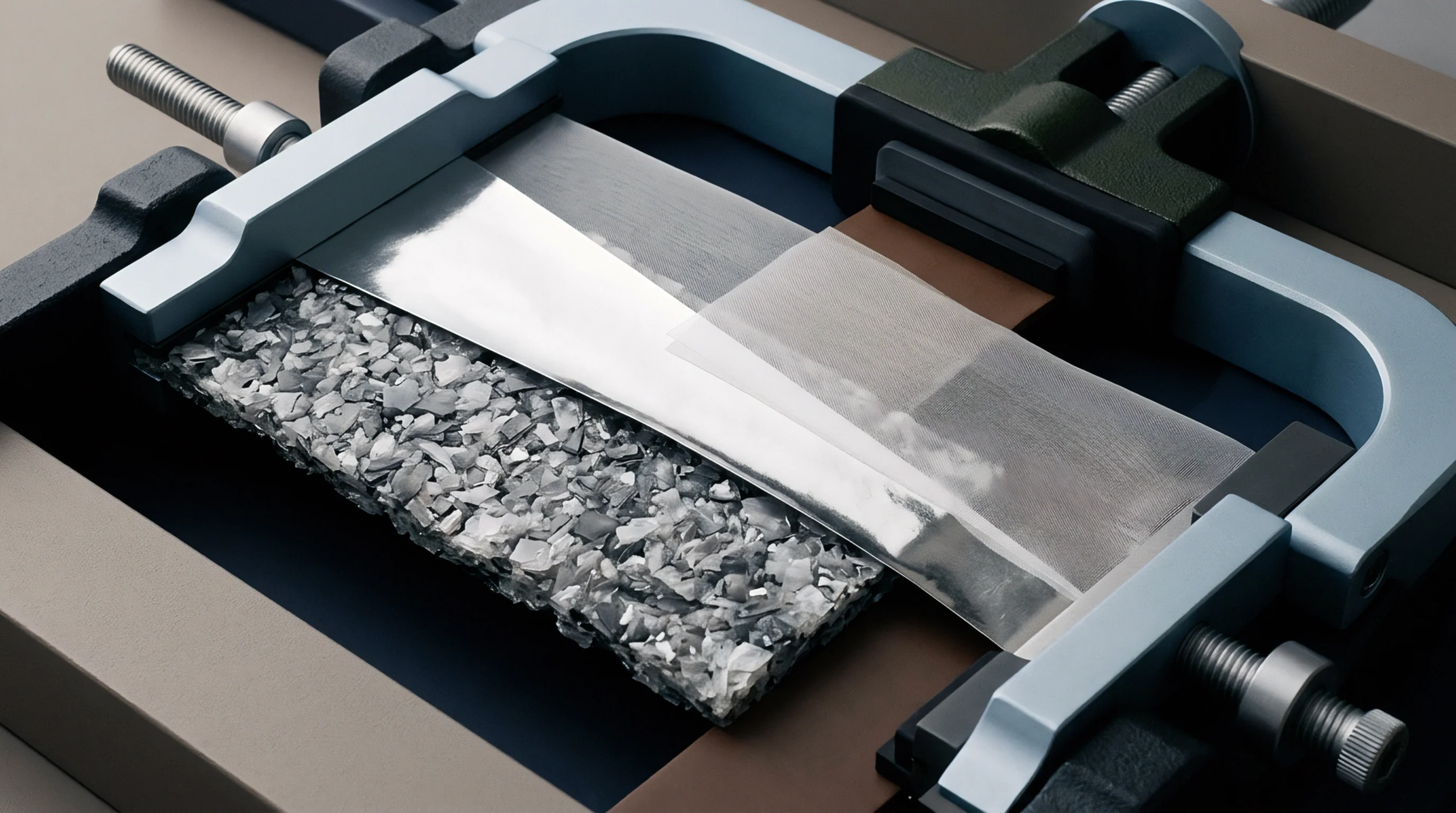
Spatially misaligned polyurethane filament retraction inside stretched textile matrices represents a mechanical failure mode occurring during continuous spinning and subsequent high tension stretching operations. Elastane core separation typically appears when high drawing ratios break the interfacial adhesion between the outer sheath yarns and the central elastic filament inside stretch woven fabrics. Such structural slippage creates localized loss of recovery force across the fabric surface during laundering cycles.
Garment factories identify this defect through dimensional stability testing after finishing treatments apply thermal setting to the cloth.
Sheath Friction
Yarn spinning mills apply specialized spin finishes to polyethylene terephthalate staple fibres before drawing processes begin on ring frames. Inadequate finish application lowers surface friction between the polyester covering and the bare polyurethane core during ring spinning. Subsequent thermal exposure in tenter frames melts residual lubricant films and permits the internal filament to slip past surrounding barrier yarns under load.
Technicians measure this frictional breakdown by recording tension decay curves during cyclic tensile testing on completed spools.
Dyed Defect
Wet processing operations subject elastic fabrics to severe thermal stress during scouring and high temperature dyeing cycles inside pressurized jet machines. Excessive liquor flow rates combined with rapid heating ramps weaken the adhesive bond holding the elastic filament inside its protective sheath. Dyehouses encounter permanent bagging at elbow and knee regions of finished garments when internal filament retraction occurs prematurely during heat setting.
Quality control inspectors verify finished lot integrity by subjecting conditioned fabric samples to accelerated heat exposure and measuring subsequent length recovery percentages.
Tension Threshold
Maximum draft limits established during sizing and warping operations dictate the safety margin against internal filament slippage in finished yard goods. Exceeding recommended elongation thresholds during loom beam preparation induces permanent plastic deformation within the polyurethane core prior to insertion. Machine operators monitor running tensions continuously using inline load cells positioned between creels and heddle frames.
Proper regulation of mechanical draft prevents premature filament degradation and ensures reliable stretch recovery in consumer apparel.