Elastic Recovery
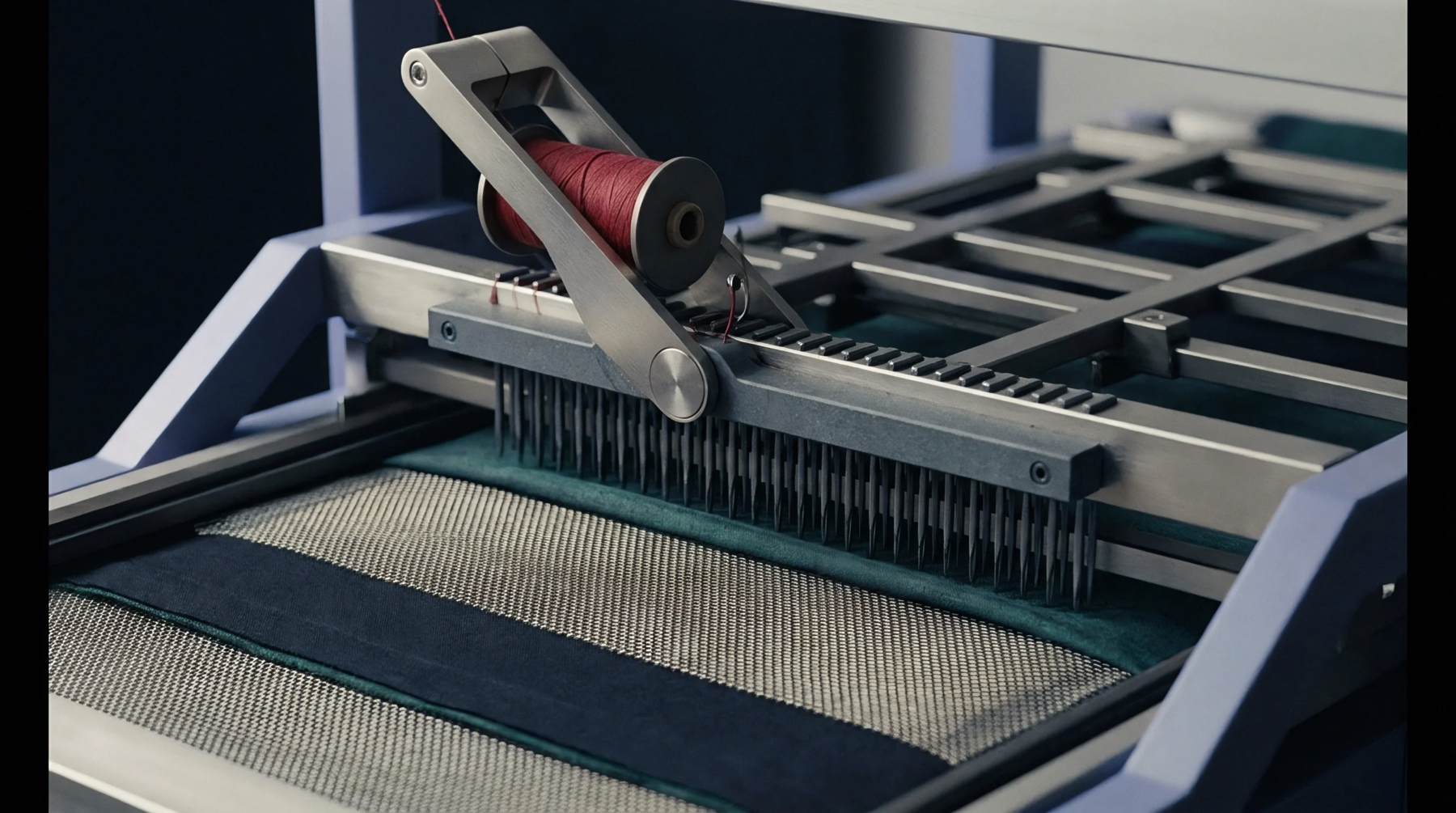
Fabric stretch recovery measurement determines the durability and shape preservation of blended apparel after repeated stress cycles. Quality inspectors analyze elastane retention to ensure that stretch garments do not suffer from bagging or permanent elongation at knees and elbows during wear. When fabrics undergo cyclic loading, the polyurethane fibers must return to their initial dimensions to maintain garment fit.
Loss of this capability results in garment deformation and loss of commercial value.
Thermal Resistance
Heat setting during finishing locks the elastane into a stable form within the core-spun yarn. Excess heat in the stenter frame degrades the elastane yarn, reducing the elastane retention below acceptable levels. Proper temperature control prevents this polymer degradation.
Chemical Exposure
Chlorine and laundering detergents act as degrading agents that attack the elastic polymer chains over time. When fabrics face frequent pool water contact, elastane retention drops, leading to micro-cracks in the elastomer core and eventual yarn breakage. This loss of elasticity impairs sportswear performance and shortens the product lifecycle.
Testing Method
Standardized tensile tests measure the residual elastane performance after multiple expansion cycles under dry and wet conditions. Laboratory technicians use automated stretch cyclers to run fabrics to their elongation limit, recording the force required to stretch the material before and after the washing cycle. This evaluation of elastane retention establishes a quality benchmark for premium denim and activewear.