Polymer Composition
Synthetic polyurethanes with high stretch and recovery characteristics form the structural basis of modern elastic apparel. These materials, when spun into elastomeric filaments, consist of alternating flexible and rigid segments. The flexible segments provide high extensibility under tension, while the rigid blocks form physical crosslinks that restore the yarn to its original length.
Extrusion Process
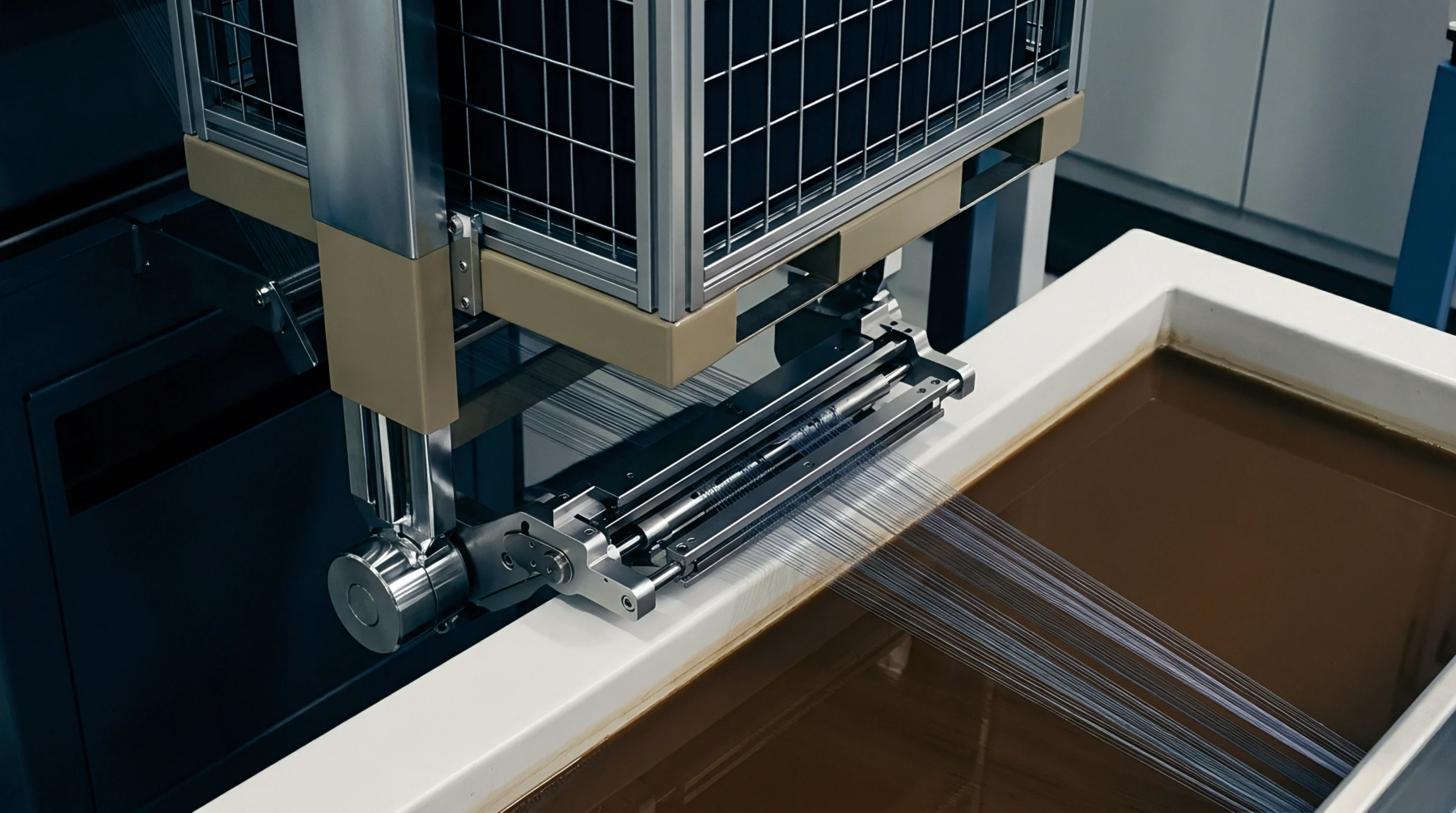
Dry spinning converts the dissolved polyurethane polymer into continuous filaments through multi-hole spinnerets. Warm nitrogen gas evaporates the solvent as the extruded streams emerge, solidifying the polymer into individual fine filaments. These filaments are then grouped and consolidated into a single heavier strand using a false-twist jet.
This consolidated yarn is wound onto bobbins with carefully controlled tension to prevent relaxation during storage.
Tensile Behaviour
Fibre elasticity allows elongation up to five hundred percent of the original length before rupture occurs. This deformation occurs through the unfolding of the amorphous polymer chains under applied force. Once the force is removed, the chains recoil and the yarn returns to its initial dimensions.
Fabric Integration
Knitting machines combine elastic filaments with rigid companion yarns like cotton or polyamide to create comfortable garments. This combination increases the shape retention of denim and swimwear.