Test Methodology
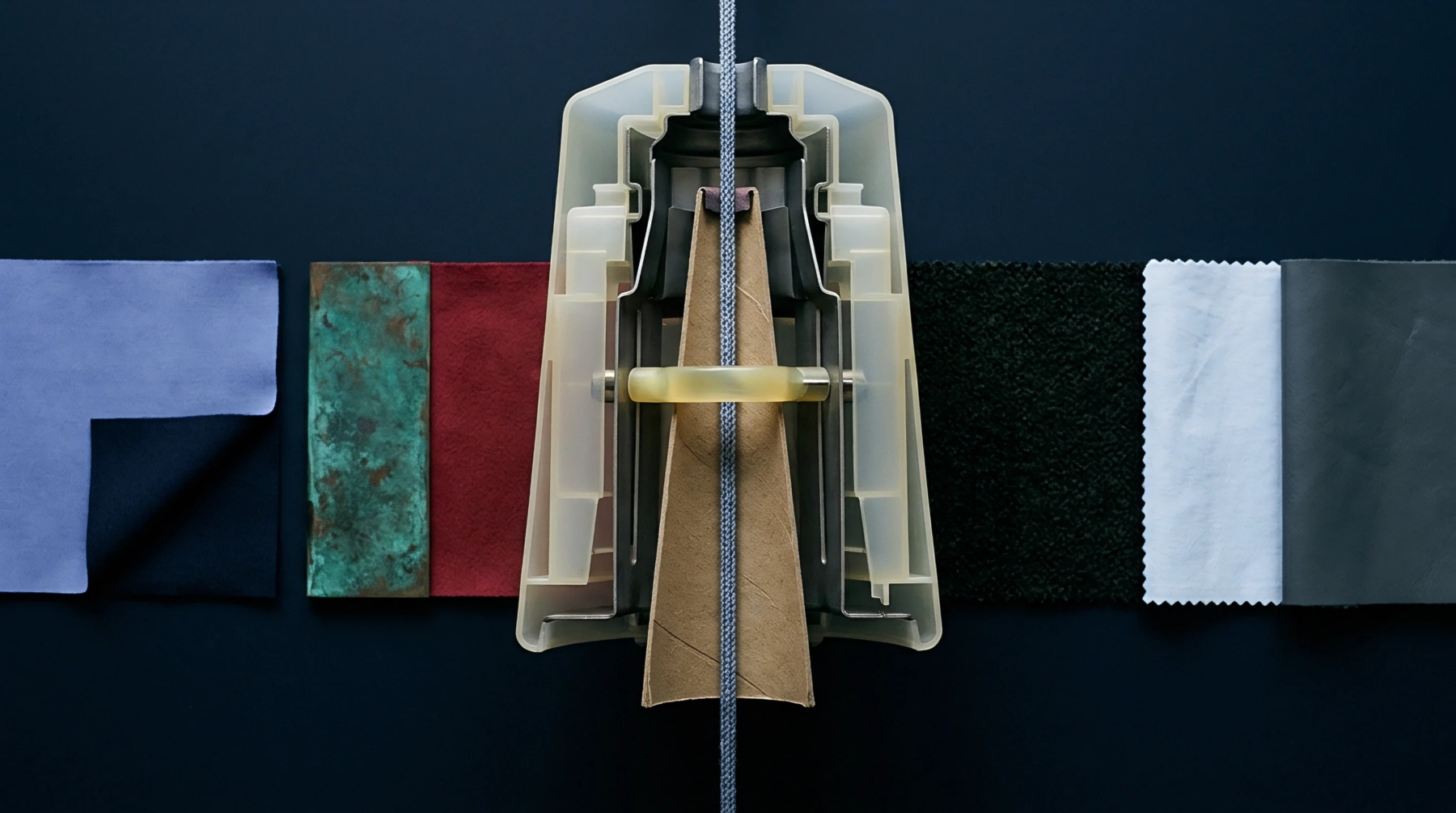
An international standard test procedure determines the color fastness of textiles to human perspiration under controlled laboratory conditions. Standardized testing using en iso 105-e04 evaluates color bleeding and staining on multi-fiber adjacent fabrics following immersion in artificial sweat solutions. Specimen assemblies undergo mechanical pressure at elevated body temperatures inside incubator units.
Test results rate shade changes and cross-staining across natural and synthetic fibers.
Solution Preparation
Test procedures require separate acidic and alkaline artificial perspiration solutions formulated with histidine hydrochloride, sodium chloride, and disodium hydrogen phosphate. Specimens combined with multifibre adjacent fabric strips soak in solution before mounting between acrylic plates. Applied pressure of twelve point five kilopascals maintains contact during four hours of heating at thirty-seven degrees Celsius.
Dry specimens undergo visual or instrumental evaluation.
Evaluation Scale
Shade changes in the test specimen and staining on adjacent multifibre fabrics receive numerical ratings from grade one to grade five using standard grey scales. Grade five represents zero color change or staining, whereas grade one indicates severe alteration. Automated spectrophotometers measure color differences in CIELAB units to supplement visual grading.
Quality Control
Apparel buyers specify minimum fastness performance levels of grade four for activewear and intimate apparel contracts. Mills adjust dye selection and wash-off processes to meet specified perspiration fastness grades.