Surface Interaction
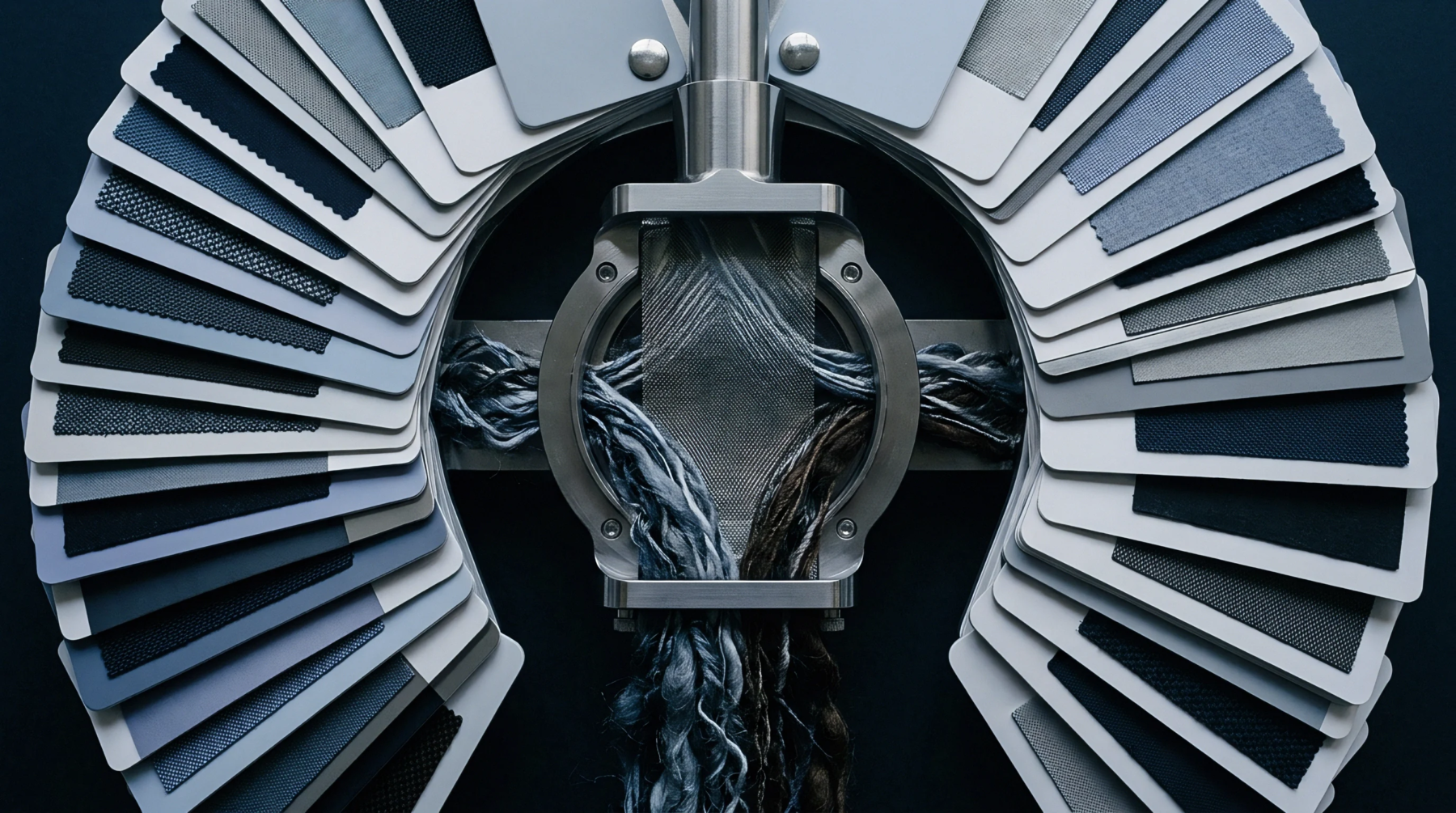
Geometric reflectance properties cause the perceived color of a textile to change based on the direction of the pile or the angle at which the surface interacts with light. This fabric orientation shade effect is most visible in materials with a distinct nap, such as velvet, corduroy or brushed fleece. When the fibres are brushed in one direction, they reflect light differently than when they are brushed in the opposite direction.
This can lead to a single piece of fabric appearing to have two different shades depending on how it is held. Even in flat woven fabrics, the direction of the yarns can create subtle shifts in color perception. This phenomenon must be accounted for during both the measurement process and the garment assembly stage.
Nap Alignment
Controlling the physical state of the fabric surface is necessary to get repeatable results from electronic color measurement devices. When a technician is testing for fabric orientation shade effect, they must ensure that the sample is oriented in a consistent direction every time. If a spectrophotometer reading is taken with the nap running up and then another with the nap running down, the resulting data will show a significant difference.
This is not a change in the actual dye concentration, but a change in the way the light is captured by the instrument. Standard laboratory procedures often require the sample to be rotated and measured multiple times to calculate an average value. This helps to eliminate the errors caused by the physical structure of the textile.
Cutting Direction
Manufacturing high quality garments requires a strict rule that all panels must be cut in the same direction to avoid visible shading. If a sleeve is cut with the nap facing up and the body is cut with the nap facing down, the fabric orientation shade effect will make them look like different colors. This is a common defect known as shading or paneling, and it can result in the rejection of the entire garment.
To prevent this, cutting markers are planned so that every piece of the pattern is aligned with the grain or the nap of the fabric. This often increases the amount of fabric waste because it limits the way pieces can be nested together. Despite the higher cost, it is a necessary step for maintaining the aesthetic integrity of the product.
Visual Consistency
Protecting the brand’s reputation for quality requires a thorough understanding of how these optical effects influence the consumer’s perception. The fabric orientation shade effect is a physical property of the material and cannot be removed by dyeing or finishing. It is instead managed through careful handling and precise manufacturing standards.
Quality inspectors check finished garments under multiple light sources to ensure that no panels have been misaligned during sewing. This final check is the last line of defense against a defect that can be very obvious to a retail customer. Proper management of orientation ensures that the finished product looks uniform and professionally made.