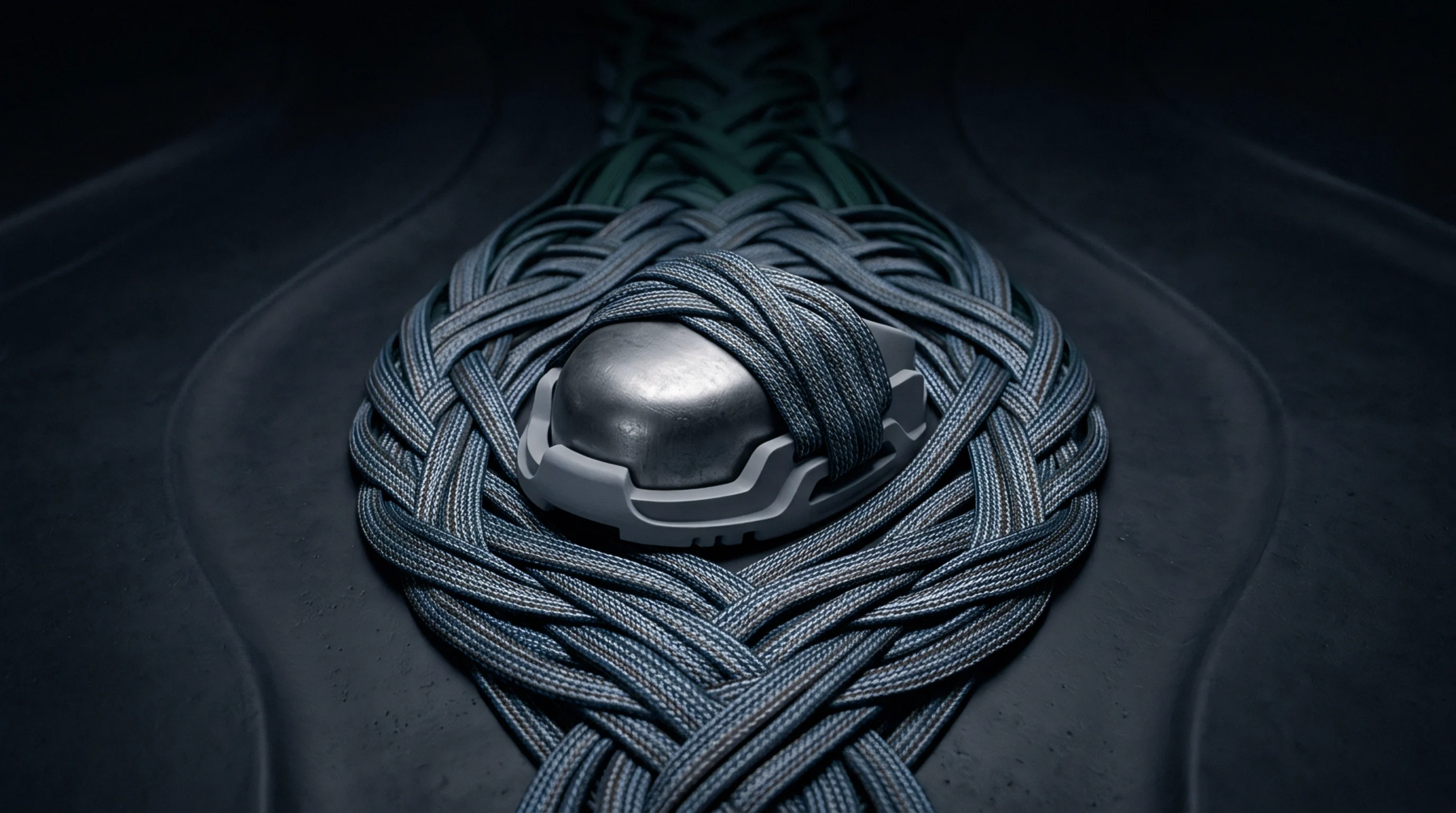
Mechanical Conveyance
Textile processing utilizes high-speed machines to move continuous lengths of wet fabric through pressurized dye vessels or finishing baths. Fabric rope transport maintains tension consistency while the material travels in a bundled or twisted state. This movement prevents snagging or irregular surface distortion during chemical saturation.
Friction reduction remains the primary requirement for consistent shade uniformity across the entire batch length.
Operational Kinetics
Rollers guide the soft goods along a circular path within the treatment chamber to ensure even chemical exposure. These rotating components prevent the rope from stalling against stationary vessel walls. Lubricants or internal water jets facilitate the smooth sliding of the material surface against the stainless steel contact points.
Excessive mechanical drag results in creases or permanent distortion of the fiber structure. Operators verify that the drive speed matches the flow rate of the liquor to avoid stretching the textile beyond its recovery limits.
Systemic Constraints
Flow capacity depends heavily on the rope diameter and the density of the specific material type being processed. High-density fabrics occupy more volume in the transport zone, which limits the total meters possible in a single cycle. Hydraulic pressure variations modify the movement of the bundle by altering the buoyancy of the rope within the liquid.
A slight shift in speed generates immediate changes in the longitudinal alignment of the fibers.
Material Integrity
Quality control protocols inspect the rope path for signs of twisting or knotted sections that impede production flow. Technical failures usually arise when the bundle width exceeds the guide roller clearance. Permanent damage occurs if the machinery maintains excessive pull on the wet material for extended durations.
Proper management of transport velocity ensures the chemical finish adheres equally to all parts of the fabric surface.