Geometric Consistency
Physical stability in a textile assembly occurs when the internal stresses between warp and weft yarns are fully resolved. Achieving fabric structural equilibrium ensures that the material does not change its dimensions when removed from tension or subjected to washing. This state depends on the balance of yarn diameters, densities, and the path each thread takes around its neighbor.
Internal Tension
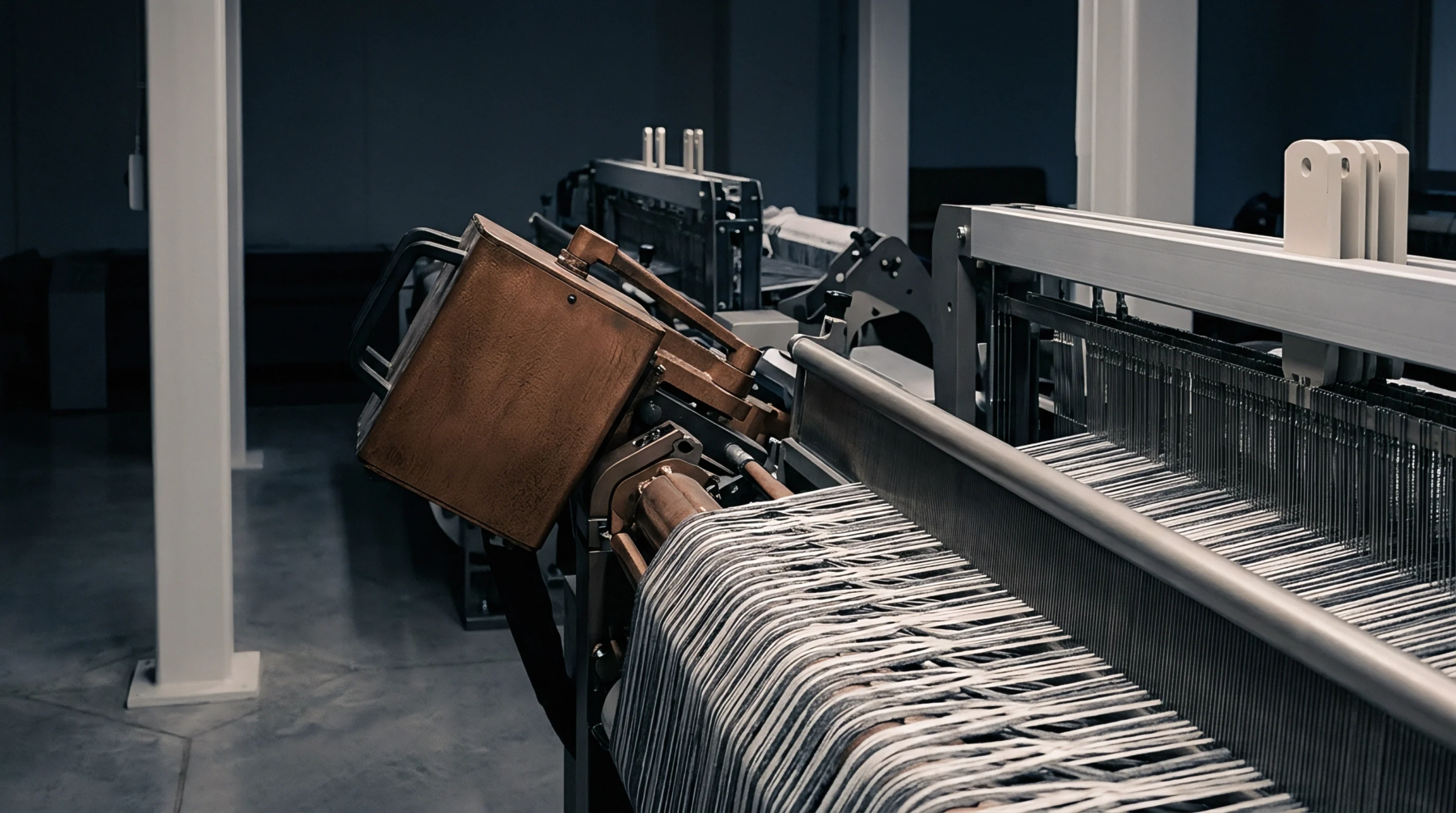
Forces exerted by the loom during weaving hold the yarns in an artificial geometry. Once the cloth is cut from the machine, the fabric structural equilibrium begins to settle as the yarns contract and the crimp levels adjust. This transition often results in immediate shrinkage that must be accounted for during the planning of the weaving width.
Dimensional Outcome
Moisture and heat act as catalysts to accelerate the movement of fibres toward their most comfortable orientation. A mill reaches fabric structural equilibrium through controlled relaxation processes like steaming or tensionless drying. Without these steps, the material remains prone to twisting or bowing during the manufacturing of garments.
Verification Standard
Quality inspectors verify the state of the cloth by comparing its width and length across different production stages. A stable fabric structural equilibrium is the primary requirement for consistent garment sizing.