Dimensional Variation
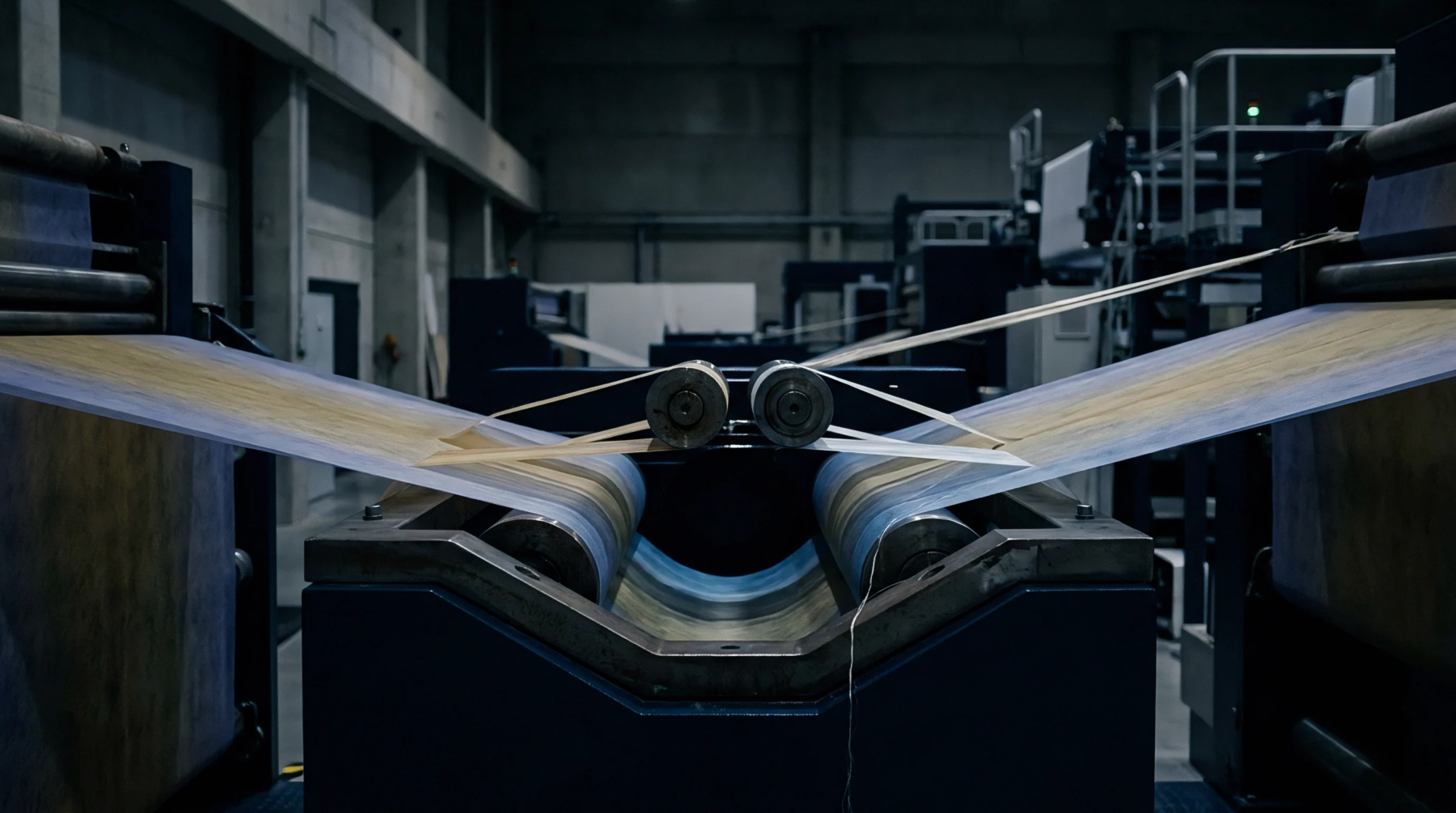
Woven textiles experience significant changes in length and width during the final stages of wet and dry mechanical processing. This phenomenon, known as finishing contraction, occurs as the yarns release the high tension accumulated during the spinning and weaving operations. Knowing the percentage of this change is essential for calculating the correct amount of greige fabric needed to produce a specific quantity of finished goods.
Correct calculations ensure that the final delivery matches the buyer’s order.
Process Alteration
Wet processing stages such as scouring, dyeing, and tentering directly influence how much the fabric shrinks. The amount of finishing contraction is determined by the yarn tension, the chemical baths used, and the temperature of the drying ovens. Tight control of these variables minimizes discrepancies between different production lots.
Technicians adjust the overfeed on the stenter frame to compensate for these dimensional shifts and achieve the desired finished fabric weight.
Industrial Prediction
Mechanical models and empirical calculations are utilized by mill managers to predict these dimensional adjustments before fabric is loaded onto the production line. Underestimating the finishing contraction results in finished rolls that are narrower or shorter than required. This error leads to major delays in garment manufacturing where patterns require precise fabric widths.
Inspection Standard
Final quality checks must verify that the fabric width matches the agreed specifications after all shrinkage has occurred. When finishing contraction exceeds the allowed tolerance, the material is classified as second-grade and may be rejected by the brand. Regular testing on sample yards is conducted to keep the process within bounds.