Calibration Variance
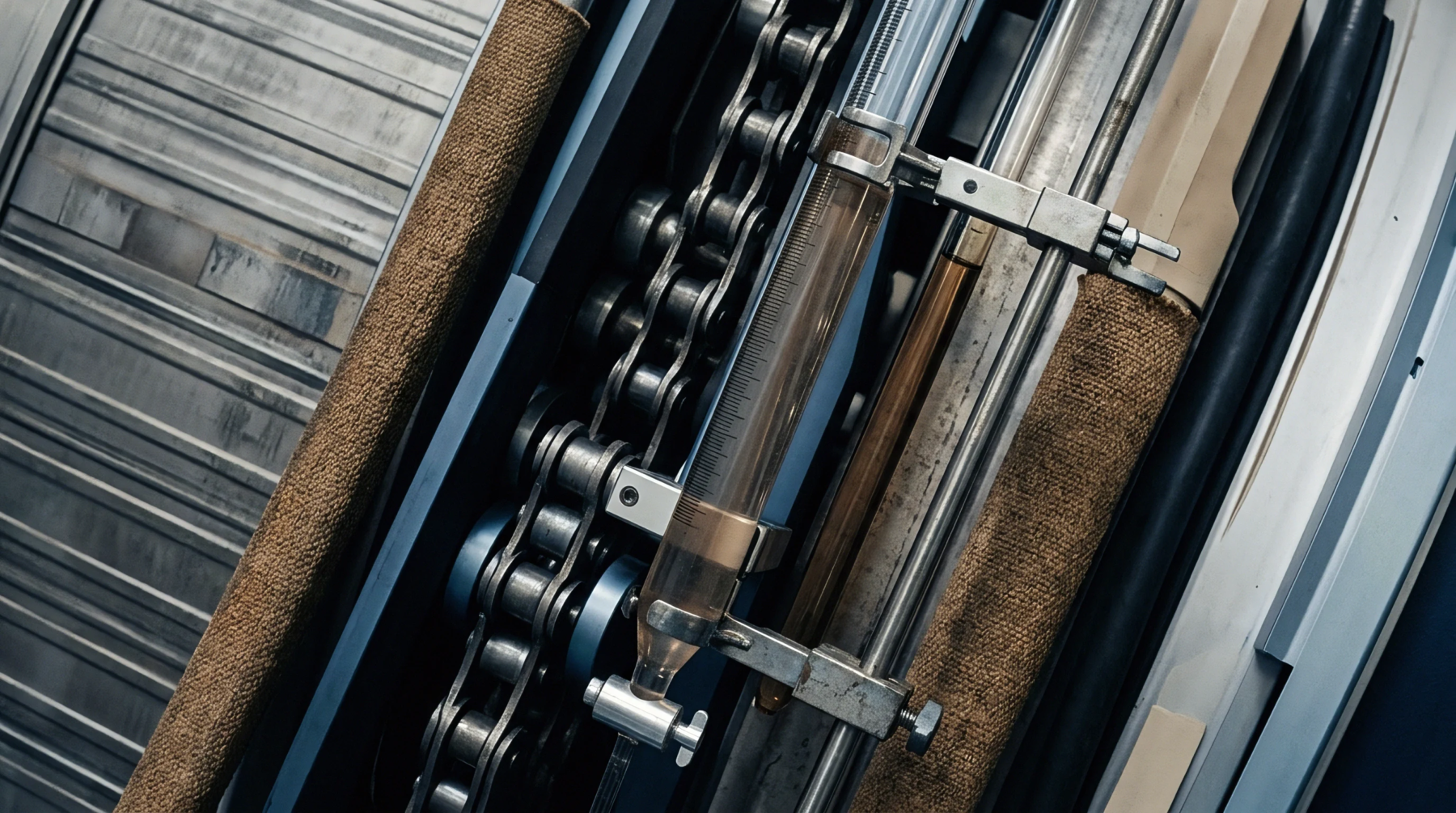
Monitoring chemical application in a dyehouse relies on the precision of instruments that track the volume of liquid moving through the pipes. In a textile finishing range, flow meter drift leads to the incorrect application of dyes or chemical auxiliaries. The deviation stops being a factor once the sensor is recalibrated against a primary volume standard.
Measurement Stability
Mechanical wear on the internal components of a turbine or electromagnetic sensor causes the reported volume to differ from the physical volume. Flow meter drift is often accelerated by the abrasive nature of pigment particles or the corrosive effect of strong alkaline liquors. Frequent monitoring is necessary to maintain the consistency of the shade.
Chemical Application
Variations in the delivery of chemicals result in fabrics that do not meet the technical specification for hand feel or flame retardancy. When flow meter drift occurs, the ratio of chemistry to fabric weight becomes unpredictable. It can result in the overconsumption of expensive softeners.
Maintenance Requirement
Regular inspection schedules prevent the accumulation of scale or lint that interferes with the sensing element. Because flow meter drift is a slow process, it is identified by comparing weekly chemical usage against the total production yardage. Technicians must clean the sensors before rezeroing the electronics.