Chemical Composition
Polymerized monomers containing perfluorinated carbon chains serve as the primary building blocks for durable water and oil repellent finishes applied to textile surfaces. These fluorotelomer acrylates function as crosslinking agents that bond to synthetic and natural fibers during the heat curing process of fabric finishing. The molecule consists of a hydrophobic fluorinated tail attached to an acrylic backbone through a linker group.
Performance characteristics depend upon the chain length of the carbon atoms, as shorter variants exhibit lower bioaccumulation potential during degradation.
Finishing Application
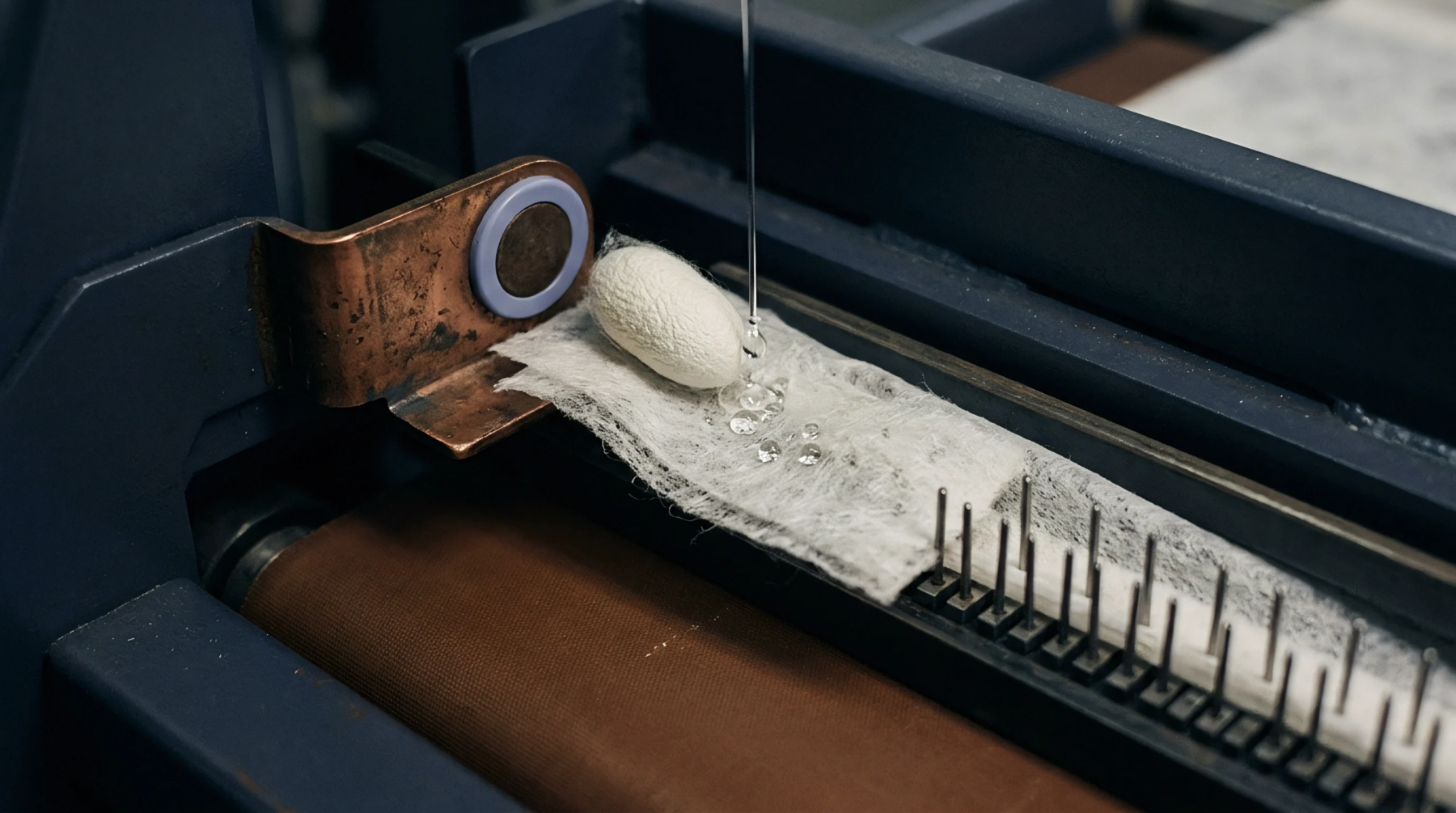
Industrial coating processes deposit these agents onto substrate surfaces to modify surface energy. Padding or spraying mechanisms deliver the solution onto open width fabric before the material moves into a stenter frame for thermal fixation. Precise temperature control dictates the orientation of the molecules to create an effective low energy barrier.
Excessive heat levels trigger unwanted side reactions that compromise the performance of the finish.
Performance Verification
Quantitative analysis of fluorine content provides the method for checking the presence of the treatment on finished apparel. Combustion analysis or ion chromatography determines the concentration of extractable fluorinated substances within a garment sample. Buyers audit these results against specific regulatory thresholds to confirm compliance with global safety standards.
Variations in chemical concentration often suggest inconsistent application during the padding sequence.
Environmental Boundary
Regulatory frameworks limit the use of these substances because the degradation products persist in aquatic ecosystems. Authorities monitor the residual monomers and byproducts found in wastewater discharged from finishing facilities. Production controls minimize the release of substances that violate established toxicological guidelines for textile effluent.
The chemical stability of the bond determines the durability of the protection over the life of the product.