Moisture Evaporation
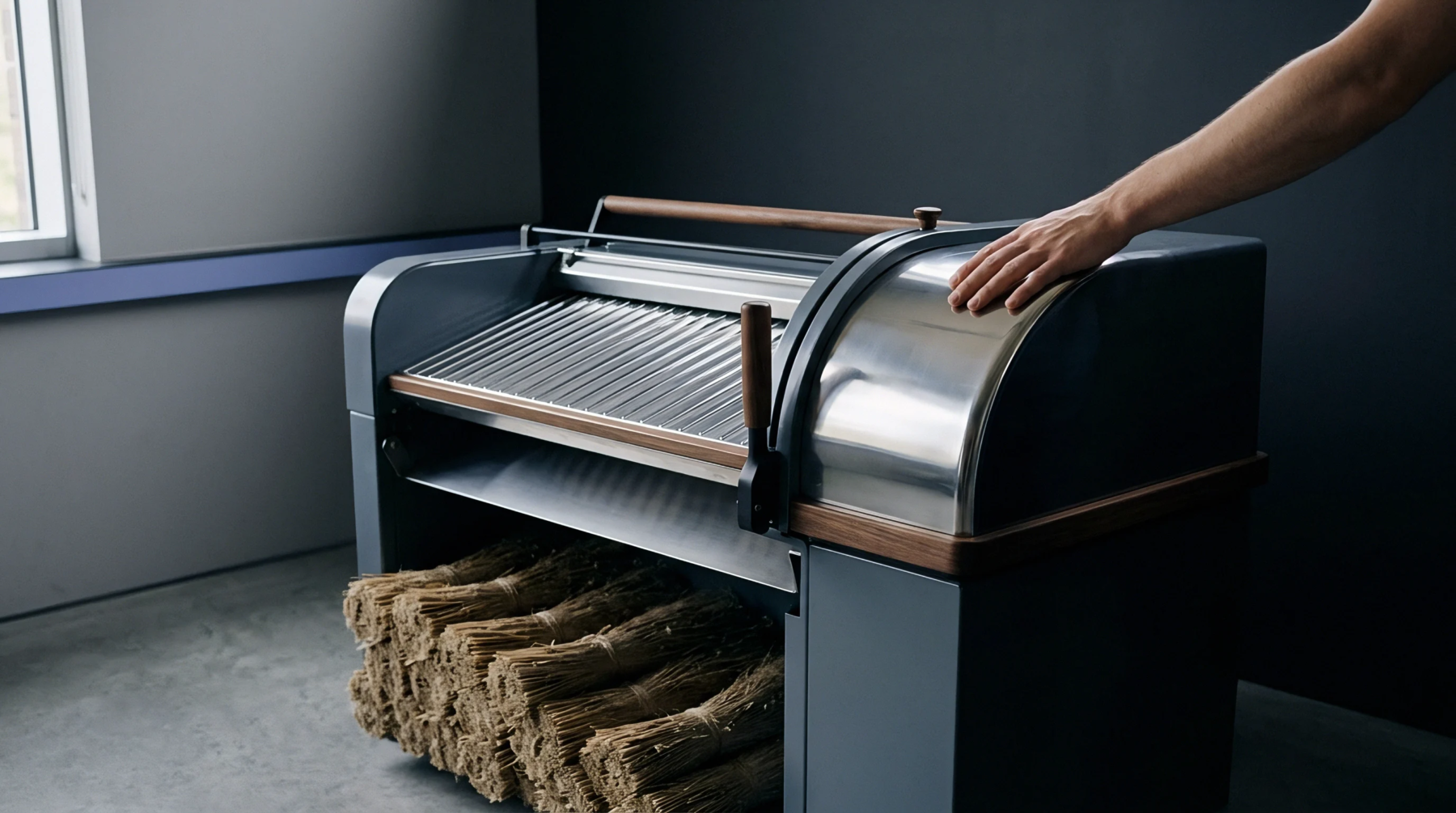
The accelerated removal of water from textile fibres using heated circulating air provides an efficient method for preparing samples for testing or further processing. This forced air drying prevents the accumulation of stagnant, humid air around the wet material, which speeds up the evaporation rate. Testing labs use this technique to quickly bring wet-processed samples to a dry baseline, which reduces the turnaround time for bulk quality approvals.
Sample Conditioning
Standardized testing of fibres and yarns requires that all materials be brought to a consistent moisture level before physical evaluation. Employing forced air drying ensures that the specimens are uniform and free of excess moisture before they enter the controlled climate chamber. This pre-conditioning reduces the total time needed to achieve moisture equilibrium.
Process Control
Industrial textile mills use circulating hot air to dry large batches of dyed yarn or finished fabric before packaging. This industrial forced air drying prevents uneven moisture distribution, which can cause mildew and dye migration. Consistent airflow across the entire width of the fabric is necessary to maintain uniform fabric dimensions.
Thermal Degradation
Exposing delicate fibres to excessive heat for extended periods can weaken their molecular structure and cause yellowing. While forced air drying is faster than natural drying, the temperature must be carefully controlled to prevent damage to synthetic or fine animal fibres. Standard operating procedures specify different temperature limits for cotton, wool and polyester.