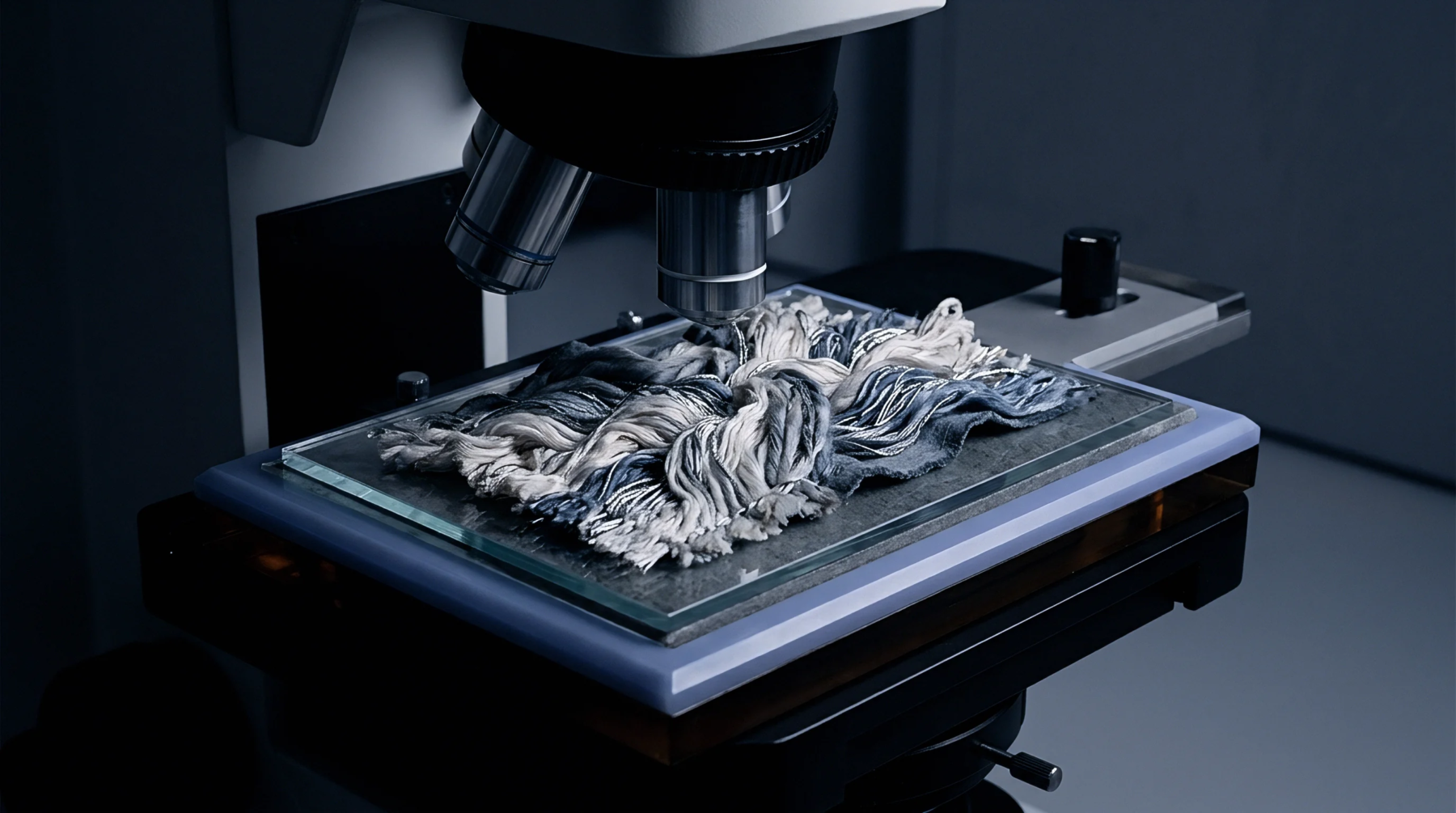
Categorization System
Categorization systems organize non-lint materials found in raw cotton according to their origin and physical properties. Through foreign fiber classing, mills determine if a bale contains organic trash or synthetic contaminants. These designations influence the final market price of the fiber.
Quality Grading
Standardized systems like those used in high volume instrument testing assign codes to different types of impurities. Systematic foreign fiber classing helps the buyer predict how the material will behave during the dyeing process. For example, synthetic fibers do not absorb cotton dyes and will result in visible white specks on the finished fabric.
Processing Strategy
Knowledge of the specific impurity type allows the mill to calibrate its cleaning machinery for maximum effect. Sophisticated foreign fiber classing distinguishes between heavy metallic particles that require gravity separation and lightweight plastic films that require high-speed optical ejections. Targeting the specific class of debris minimizes the energy spent on aggressive cleaning.
Economic Valuation
Bales with high concentrations of problematic materials like sticky honeydew or colored plastic attract heavy price penalties. Consistent foreign fiber classing ensures that the spinner receives the quality they paid for and can hold the supplier accountable. Detailed records of these classes assist in identifying specific regions or gins that consistently produce contaminated shipments, allowing the mill to optimize its procurement strategy over several seasons.