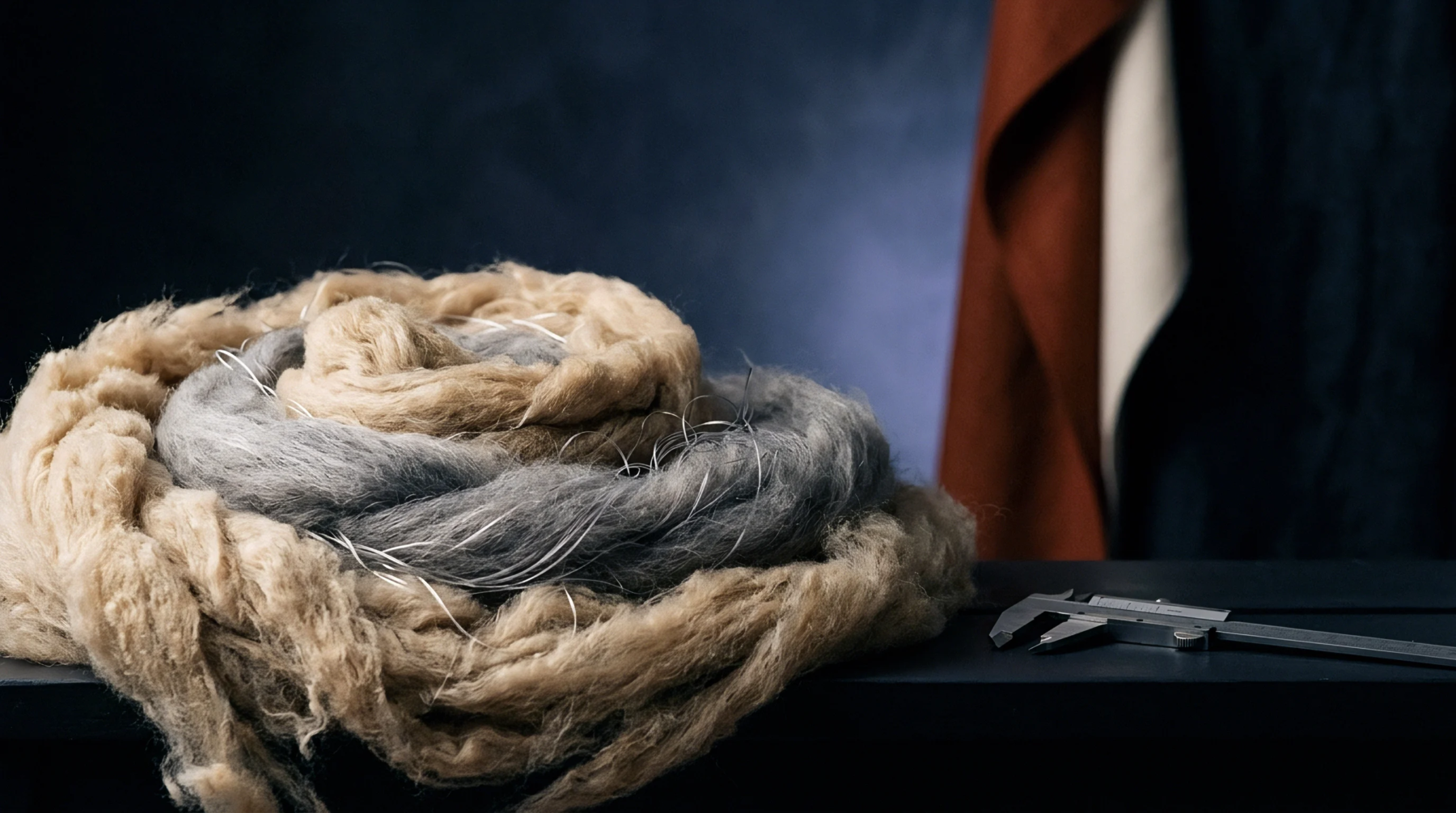
Botanical Classification
Extra-long staple cotton identifies a botanical species within the Malvaceae family known for producing exceptionally thin and durable natural fibres. Gossypium barbadense requires a long growing season with high humidity and intense sunlight to reach full maturity. This plant produces a fibre with a high degree of uniformity that facilitates spinning into very fine and high-count yarns.
Industrial Characteristic
High tensile strength defines this material throughout the supply chain as it resists breakage during the rapid processes of combing and ring spinning. Mills select this cotton for high-end shirting and bed linen production because the fibre fineness allows for smooth surface textures. Producers often differentiate the yield from shorter varieties by the length of the staple which frequently exceeds 35 millimetres.
Careful ginning preserves the structural integrity of the individual hairs to maintain the physical properties required for luxury fabric construction.
Quality Verification
Laboratory analysis quantifies the fineness and maturity of the fibre to determine the suitability of raw material for specific yarn counts. Instruments measure the micronaire value and the upper half mean length to assign a grade against established international standards. A specific reading confirms the capability of the material to withstand the mechanical stress of high-speed looms.
Economic Value
Price premiums accrue to this species because the specific environmental conditions necessary for cultivation limit the global supply. Buyers demand certification of the botanical origin to ensure that short-staple substitutes do not contaminate the lot. Final goods consisting of this cotton maintain structural shape after repeated laundering cycles.