Transformation Sequence
Chemical and mechanical finishing operations transform raw, unfinished woven or knitted fabric into dyed, stable and commercially usable yardage. Bulk textile manufacturing relies on greige conversion to scour sizing compounds, bleach natural pigments, apply topical chemistry and set final fabric dimensions. The process spans singeing, desizing, mercerizing, dyeing, printing and stenter heat-setting.
Its commercial scope finishes once the yardage exits the final inspection frame as finished fabric ready for garment manufacturing.
Preparatory Processing
Raw loom-state cotton and grey knit goods carry natural waxes, pectins, seed fragments and synthetic sizing agents that prevent uniform dye liquor uptake. Fabric travels across gas burner plates during singeing to burn loose surface fibres cleanly. Wet desizing ranges soak fabrics in enzymatic liquors that hydrolyze starch sizes without degrading underlying cellulose chains.
Caustic soda baths scour remaining fats and field particulates under regulated temperatures. Continuous bleaching ranges expose the running fabric to hydrogen peroxide for baseline optical whitening. Mercerization under high tension swells cotton lumen structures to elevate dye affinity and fabric luster.
Structural Adjustment
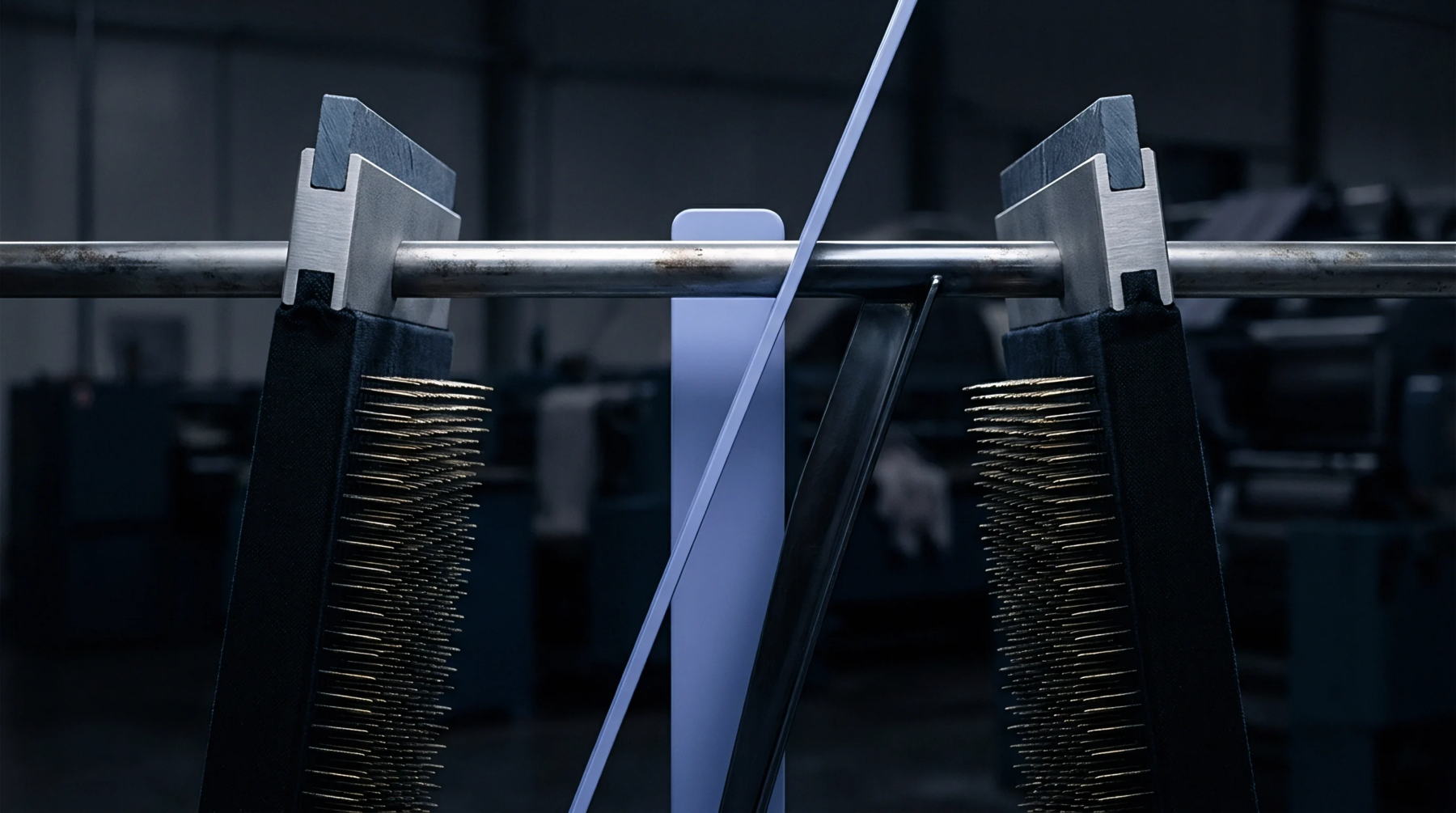
Fabric dimensions warp during grey transformation and require precise physical stabilization. Heated pins or clips grip fabric selvages inside drying chambers to adjust width and correct bowed grain lines. Synthetic polymers achieve dimensional stability during high-temperature thermal fixation inside stenters.
Mechanical compactors compress knit loop structures to prevent excessive laundry shrinkage in downstream apparel. Compressive shrinkage machines force woven yardage between rubber belts and heated drums to set residual length relaxation.
Yield Verification
Quality inspectors measure linear yield, fabric weight, construction count and functional fastness against initial conversion specifications. Chemical processing removes impurities, altering the ratio between greige input weight and finished linear yardage. Fabric inspectors scan finished yards on inspection tables to identify shade drift, width variations, dye spots and mechanical tears.
Laboratory technicians test residual starch content, tensile strength, tear values and wash fastness. Finished conversion lots receive shipment clearance tags only after physical metrics meet contract purchase orders.