Rapid Instrumentation
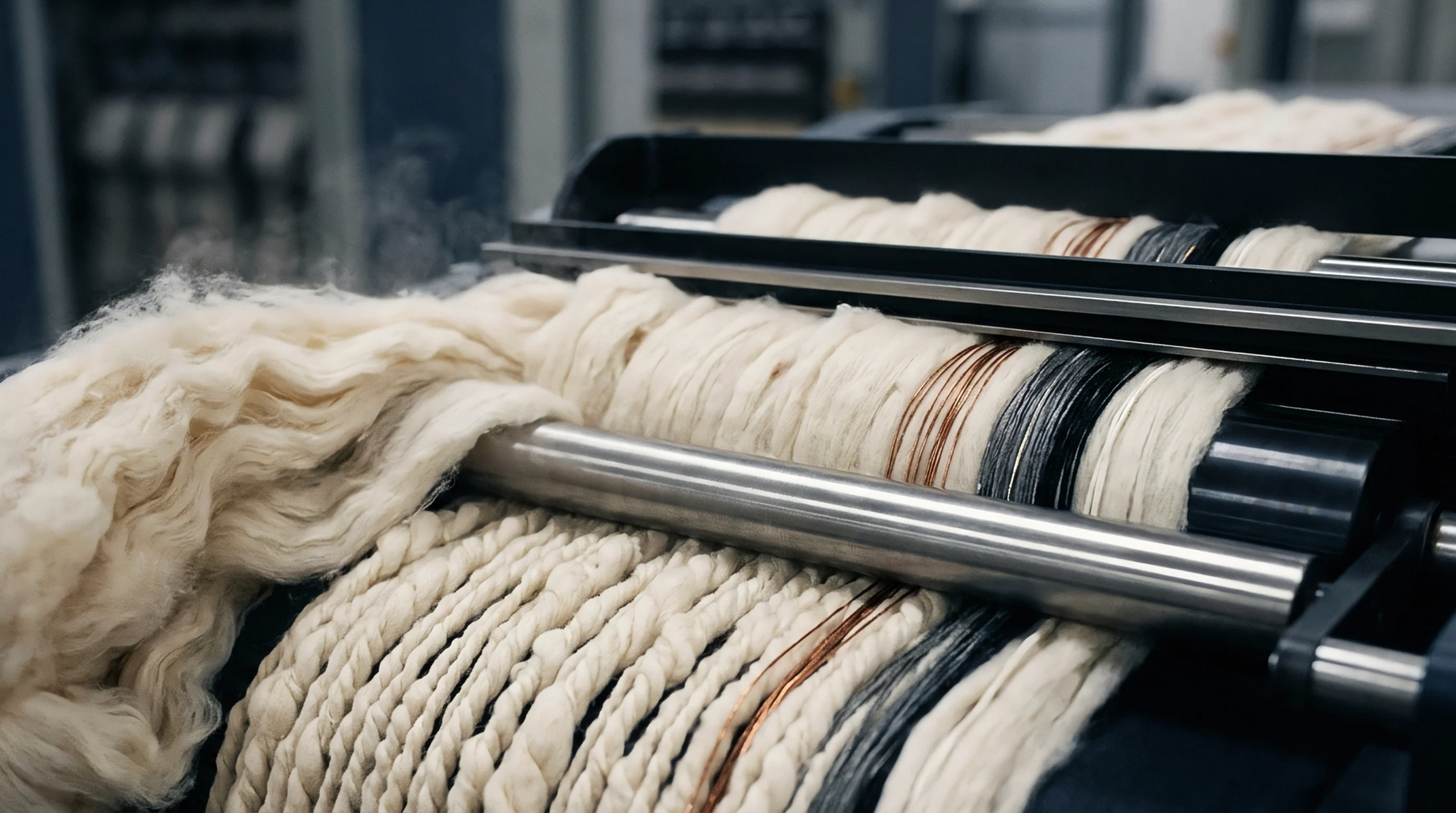
Rapid evaluation devices for raw cotton lint quantify stickiness levels at commercial testing speeds matched to classing office workflows. The h2ft high-speed tester automates the thermodetector method by pressing cotton samples between heated metal surfaces and moving foil strips. Automated optical counting counts caramelized sugar spots left on the surface after hot pressing and cooling phases.
Laboratory evaluation devices process hundreds of cotton samples daily to screen commercial lots for aphid and whitefly contamination prior to mill delivery.
Thermal Detection
Heating sample pads melts insect sugars on cotton fibers, causing them to adhere to moving carrier foils under controlled pressure. As the foil cools, non-sticky fibers detach while adhesive spots remain firmly attached to the substrate. The h2ft high-speed tester uses image analysis algorithms to measure spot size distribution and total sticky area across the sample area.
Operational dwell time and surface pressure remain strictly regulated to maintain test calibration standards.
Processing Classification
Spot counts provide quantitative sticky potential ratings that guide mill laydown decisions. Elevated spot counts signal elevated risk of card lap licking and spinning roller wrapping in yarn manufacturing operations.
Quality Benchmarking
Cotton merchants use sticky test data to grade raw cotton bales according to international trade contracts. Deploying the h2ft high-speed tester enables high-volume screening at port terminals and regional ginning operations. Accurate spot classification prevents unprocessable cotton from entering high-speed rotor or ring spinning lines.
Technical reports from certified testing facilities validate commercial bale classifications during trade dispute settlements.