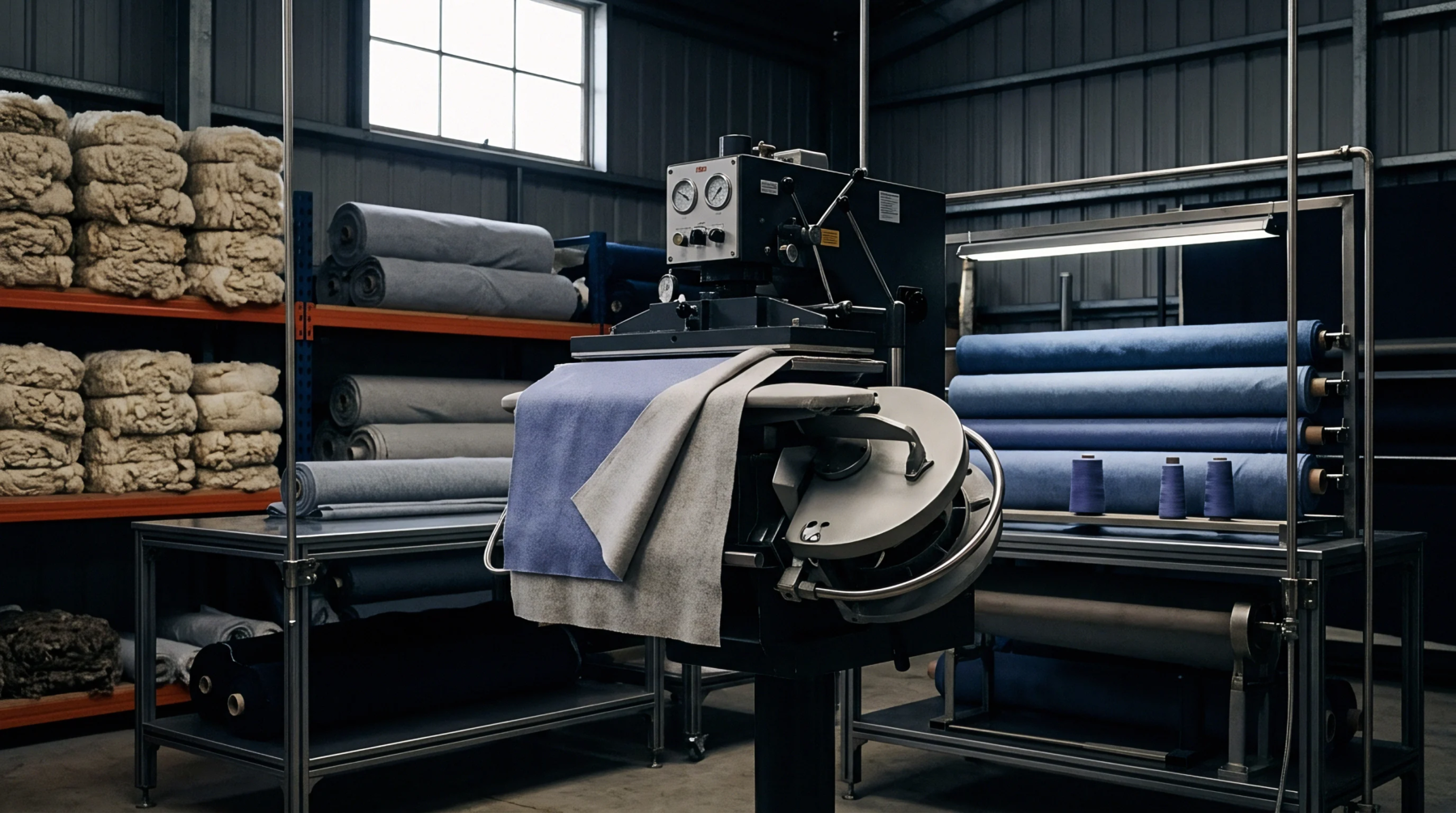
Thermal Fixation
Temperature-dependent polymer crystallization defines the degree of structural relaxation induced in synthetic yarns during stenter drying. Processing laboratories evaluate heat setting efficiency to confirm that synthetic fibers attain dimensional stability under high temperatures. The measurement ceases to apply to natural fibers like wool or cotton, which lack thermoplastic melting behavior.
Crystallite Modification
High temperatures break secondary intermolecular bonds within amorphous polymer regions, allowing polymer chains to realign into stable configurations. Dwell time and chamber temperature control the extent of chain reorientation within polyester or polyamide web structures. Mill technicians measure heat setting efficiency using differential scanning calorimetry or sound velocity measurements.
Complete thermal fixation prevents internal stress relaxation during subsequent garment washing.
Shrinkage Resistance
Dimensional changes during laundering directly reflect inadequate thermal setting during mill finishing operations. Fabric specimens undergo boiling water immersion tests to evaluate residual relaxation potential.
Process Optimization
Temperature adjustments on stenter frames must align with web speed to maintain constant core fabric heat. Overheating degrades dyestuffs and stiffens fabric hand, while under-heating causes laundering shrinkage. Finishes monitor heat setting efficiency across production runs to balance heat input against line speed.
Proper thermal processing guarantees stable fabric dimensions without sacrificing tensile strength.