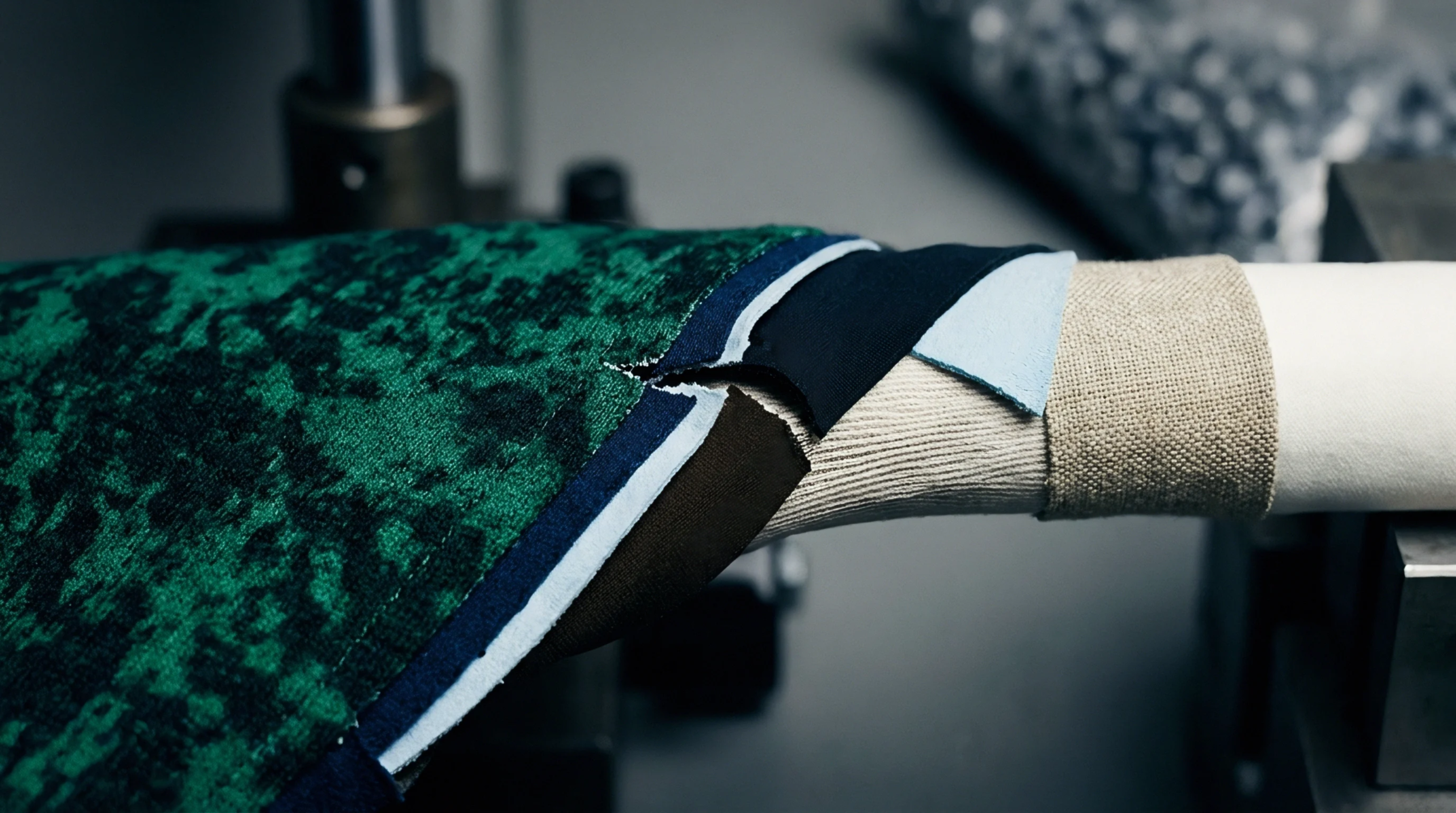
Fabric Density
Construction specifications define the number of warp and weft yarns allocated per unit length of cloth. When a textile features an exceptionally high count of closely packed yarns, it is classified as a high sett fabric. This dense configuration limits the freedom of yarn movement during subsequent dyeing and finishing processes.
Manufacturing Constraint
High warp and weft densities increase the mechanical resistance during the beat up stage of the fabric assembly. Producing a high sett fabric requires specialized loom machinery capable of delivering high impact force without damaging the yarn strands. The high yarn density increases friction in the reed, which can lead to frequent warp breaks if the yarns are not properly sized.
Loom operators must adjust the warp yarn tension carefully to prevent the warp yarns from clinging to each other during shed opening.
Fabric Performance
Dense yarn spacing alters the physical properties of the finished textile. A high sett fabric provides natural wind resistance and water repellency because the tiny spaces between the interlaced yarns are too small for air and water droplets to pass through easily. The structural tightness also increases the fabric stiffness, which reduces its drape but increases its resistance to seam slippage and abrasion.
Quality Verification
Textile labs count the yarn ends and picks per centimeter using a pick glass or digital pick counter. Verifying the yarn count of a high sett fabric ensures that the construction density complies with the original specification before the fabric enters the garment cutting stage. Accurate density counts prevent dimensional instability during garment laundering.