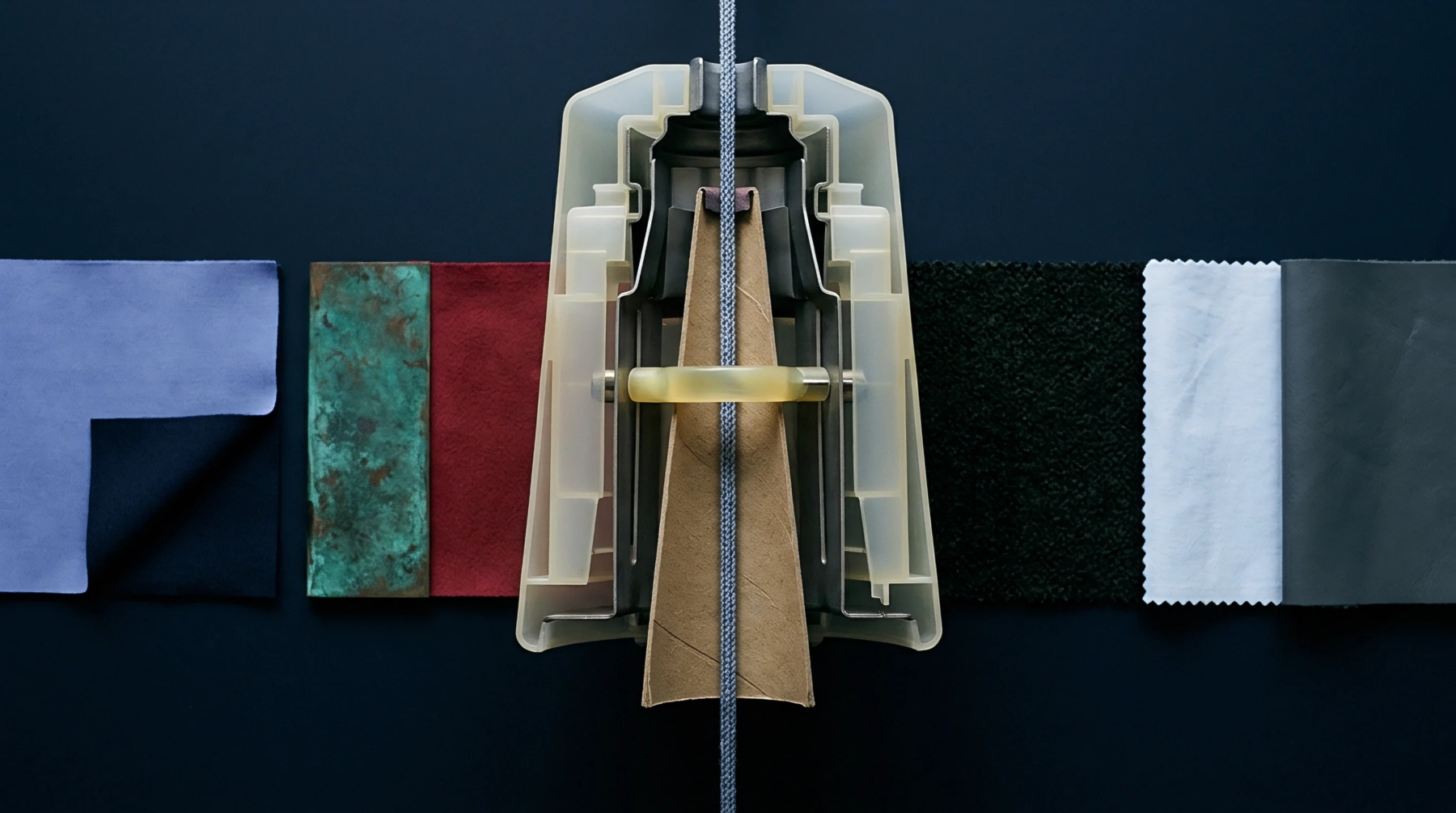
Physical Measurement
Pressurized fluid exerts perpendicular force against a textile specimen until the material undergoes structural failure. This hydraulic bursting strength quantifies the resistance of knitted or nonwoven fabrics to multidirectional stress. Technicians secure a circular test area over an elastic diaphragm which expands as liquid fills the chamber.
Failure occurs at the exact moment the specimen ruptures under the internal pressure.
Apparatus Configuration
Standardized equipment utilizes a rubber membrane to transmit uniform pressure across the surface of the textile. A digital manometer records the peak pressure reached at the moment of rupture. The test operates at a fixed rate of fluid displacement to ensure consistent strain application.
Operators must purge all air bubbles from the hydraulic system to prevent inaccurate readings caused by fluid compressibility.
Performance Constraint
Variations in clamping force influence the resulting value during high-pressure cycles. Slippage at the edges of the circular mount introduces experimental error by allowing the fabric to shift during expansion. Synthetic fibres typically show different endurance profiles compared to natural cellulose structures when subjected to fluid inflation.
Differences in specimen moisture content shift the mechanical response of the material.
Material Validation
Procurement departments rely on this metric to define the integrity of technical fabrics intended for filtration or medical applications. Production lots that deviate from established pressure thresholds indicate problems with knitting tension or finishing heat set cycles. Quality control protocols accept results derived from this method as the standard for multidirectional stress resistance in soft goods.
High bursting values correlate with greater durability for items exposed to intermittent mechanical expansion.