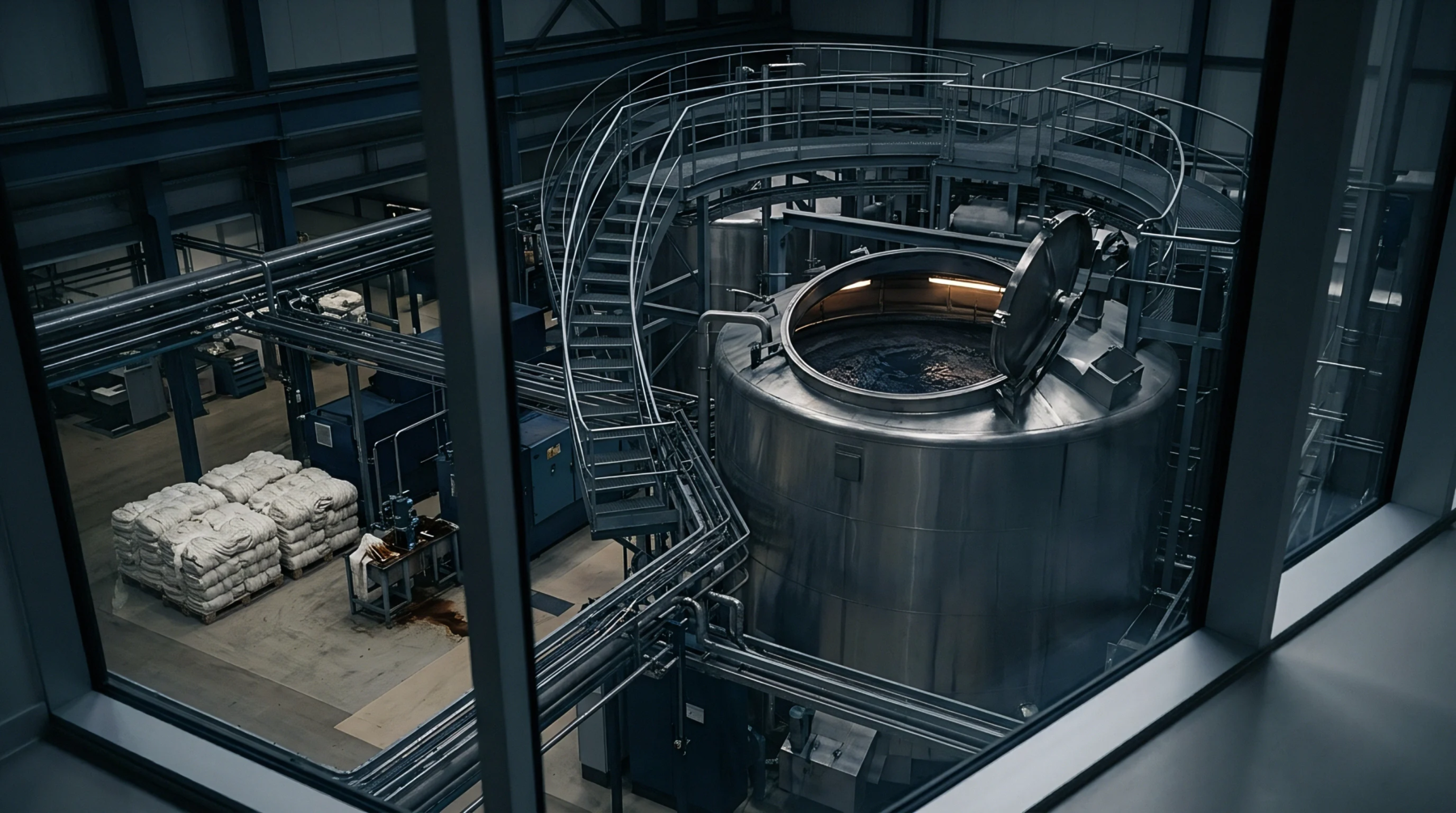
Calculating Reactive Dye Hydrolysis Rates in Jet Dyeing
Calculating reactive dye hydrolysis rates in jet dyeing requires tracking bath pH and absorbance over time to optimize alkali dosing and maximize color yield.
Dynamic liquid transport describes the rate of mass transfer and chemical reaction occurring when fabric is moved through a dye bath by high-velocity liquor streams in a closed system. This process is characterized by the rapid exchange of molecules between the concentrated dye solution and the textile fibre. Within the machine, jet dyeing kinetics determine how quickly the shade develops and how evenly the colour is distributed across the fabric length.
The high turbulence generated by the jet nozzle reduces the thickness of the liquid film on the fibre surface, accelerating the adsorption process. This mechanical assist allows for much faster dyeing cycles than traditional beck or jig dyeing. The rate of uptake is a function of both the machine settings and the chemical properties of the dye.
Hydraulic force is the primary driver for moving both the fabric and the dye liquor through the transport tube of the machine. The jet dyeing kinetics are heavily influenced by the nozzle pressure and the speed at which the fabric completes one full circuit of the vessel. Higher velocities increase the frequency of contact between the dye molecules and the fibre, leading to a more rapid depletion of the bath.
However, if the speed is too high, it can cause surface abrasion or pilling on delicate materials. Technicians must find the optimal balance where the kinetic rate is maximized without damaging the textile structure. Modern machines use inverter-driven pumps to provide precise control over these fluid dynamics.
Mathematical modeling of the dyeing cycle allows for the prediction of exhaustion curves and fixation times in bulk production. By studying jet dyeing kinetics, laboratory technicians can determine the half-dyeing time, which is the interval required for the fibre to absorb half of the total dye available. This value is used to synchronize the heating ramp of the machine with the natural uptake rate of the dye-fibre system.
If the temperature rises too quickly, the dye may fix on the surface before it has time to penetrate, leading to poor levelness. A well-designed dyeing program uses these kinetic parameters to ensure a smooth and controlled transition from the bath to the fibre. Real-time monitoring of the liquor concentration provides the data needed for these calculations.
System design plays a central role in how the chemical reaction proceeds during the industrial cycle. The jet dyeing kinetics are affected by the liquor ratio, the shape of the transport tube and the efficiency of the heat exchanger. In low-liquor-ratio machines, the dye concentration is higher, which naturally increases the rate of reaction but also the risk of unlevelness.
The design of the nozzle also matters, as different shapes produce different levels of turbulence and shear force. Successful machine operation requires matching the kinetic profile of the dye to the physical capabilities of the equipment. This technical alignment is the foundation of high-speed, high-quality textile processing.
Jet dyeing kinetics remain the primary focus for engineers seeking to reduce cycle times and improve shade consistency.
Calculating reactive dye hydrolysis rates in jet dyeing requires tracking bath pH and absorbance over time to optimize alkali dosing and maximize color yield.
Expertise is a utility, not a secret. sentiention™ publishes its working knowledge as open reference: intelligence layer covering the materials it sources, the markets it enters, and the reference that serves both.