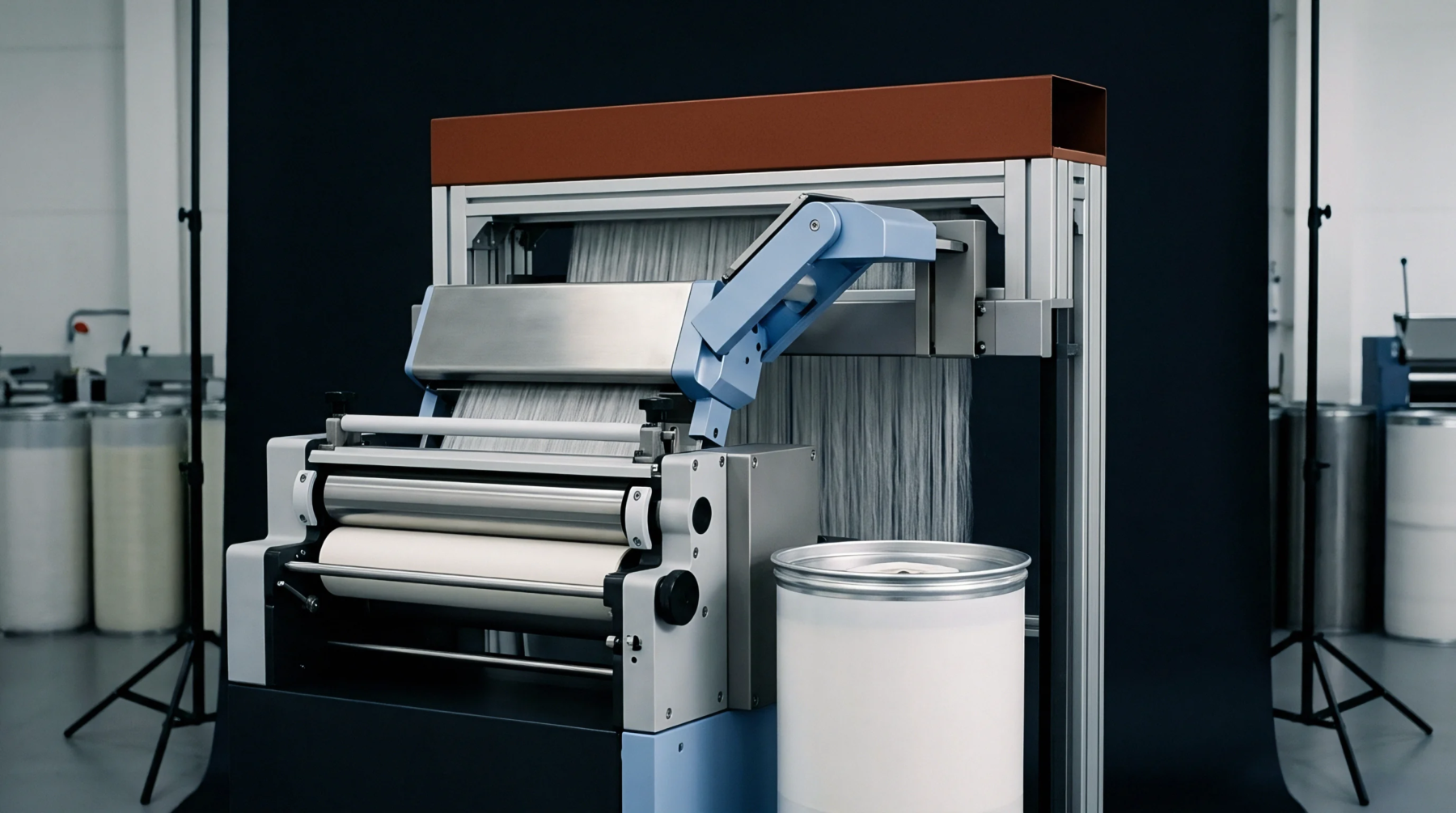
Weaving Preparation
Mechanical components used during the warping and slashing processes ensure that individual yarn ends remain in their correct order and do not become tangled before they reach the loom. Proper lease rod separation is necessary for creating an open space between the layers of the warp, which allows for the efficient insertion of the lease cords. If the yarns are not correctly separated, they can stick together due to the sizing agent or static electricity.
This sticking causes broken ends and weaving defects that reduce the quality of the finished fabric. Technicians must carefully manage the position of these rods to maintain a clean shed and to prevent yarn abrasion.
Yarn Separation
The process involves placing smooth metal or wooden rods between the upper and lower sheets of yarn as they move through the machine. During the execution of lease rod separation, the rods act as a physical barrier that keeps the ends from crossing over each other. This is particularly important after the yarns have been coated with size, as the wet chemicals can cause the fibers to bond together into a solid mass.
As the warp sheet passes over the rods, the dried size is broken into individual coatings for each yarn, a process known as busting the lease. A clean separation ensures that every end can move independently through the heddles and the reed during weaving. If the separation is poorly executed, the loom will experience frequent stops and the fabric may show streaks or uneven density.
Shed Clarity
Maintaining a high level of order in the warp sheet is a requirement for high speed textile manufacturing. When lease rod separation is performed correctly, the weaver can easily identify and repair any broken ends that occur during the process. This clarity in the yarn sheet also helps to reduce the friction between the ends as they move back and forth to create the shed for the weft insertion.
If the lease is lost or becomes tangled, the entire warp beam may need to be reconditioned or scrapped, leading to significant financial losses. Modern warping machines use automated systems to monitor the position of the rods and the tension of the yarns. This ensures that the lease is maintained perfectly from the beginning of the beam to the end.
Mechanical Limit
The effectiveness of the separation depends on the diameter of the rods and the density of the warp ends per inch. While lease rod separation is a standard part of warp preparation, it can be difficult to achieve with very fine or highly twisted yarns. If the rods are too thick, they can put excessive tension on the yarns and cause them to snap.
If they are too thin, they may not provide enough space for the lease cords to be inserted. The surface finish of the rods must be perfectly smooth to prevent snagging the fibers. This stage of the process is a critical checkpoint for ensuring the success of the weaving operation.