Fabric Disturbance
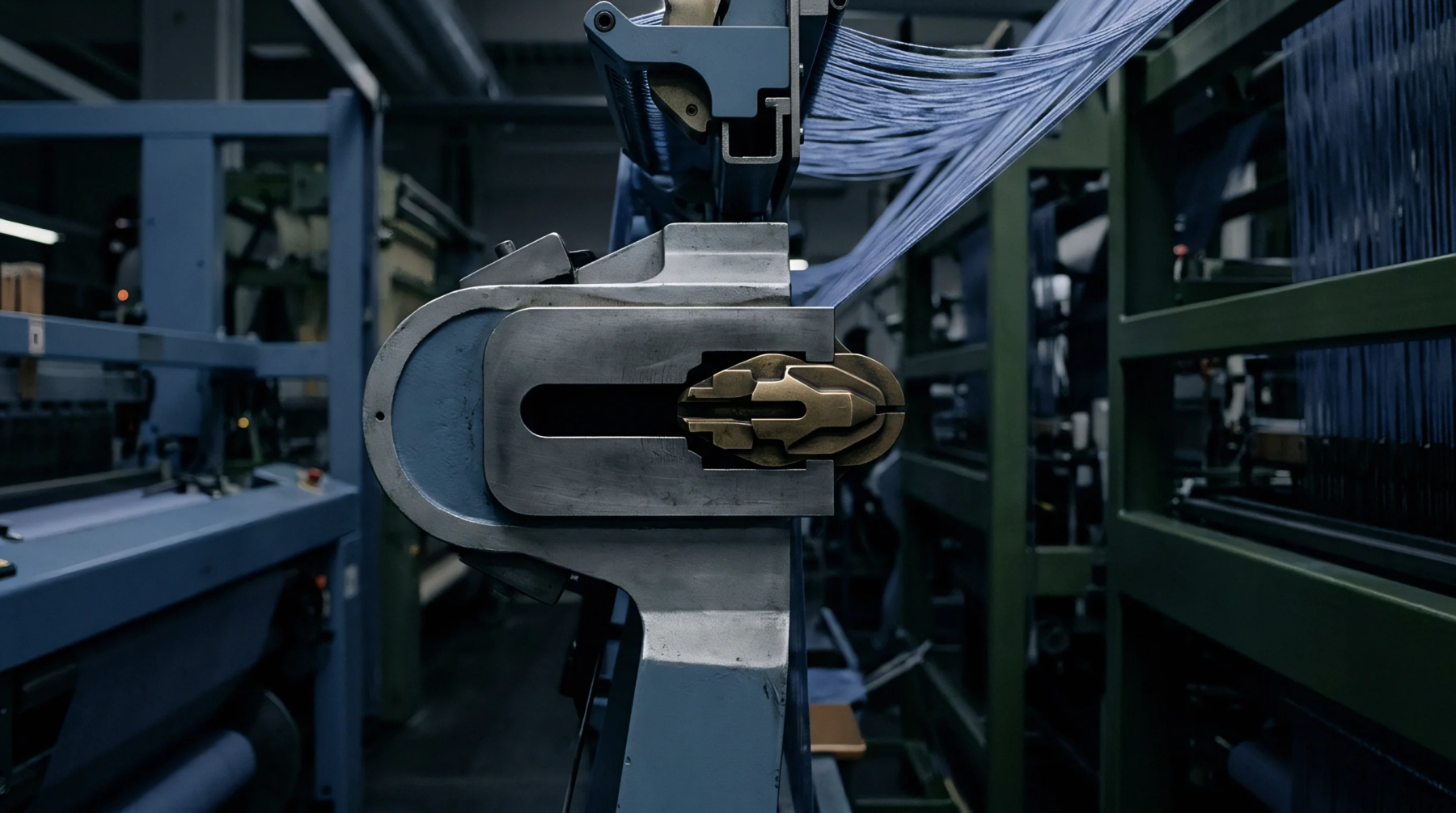
Visual defects appearing as narrow bands or uneven spacing in the warp direction result from improper separation of threads at the splitting station. These lease rod split marks indicate that the sizing agent has bonded adjacent yarns too strongly for the mechanical bars to separate them cleanly.
Process Location
Stationary or vibrating bars situated between the drying cylinders and the weaver beam perform the separation. If the adhesive bond is too stiff, lease rod split marks form as the threads tear away from each other. This physical disruption disturbs the parallel alignment required for high speed weaving.
Chemical Influence
Chemical recipe adjustments change how easily the dried film breaks at the split zone. A lack of lubricating fats or an excess of binder increases the likelihood of lease rod split marks. Formulators balance adhesion to the fibre with the need for a clean break at the rod.
Lowering the moisture content at the exit of the dryer often helps in achieving a crisp separation.
Structural Consequence
Rough surfaces on the yarn after splitting lead to increased friction in the loom. Because lease rod split marks represent a mechanical failure of the protective coating, the exposed fibres remain vulnerable to fraying.