Length Calculation
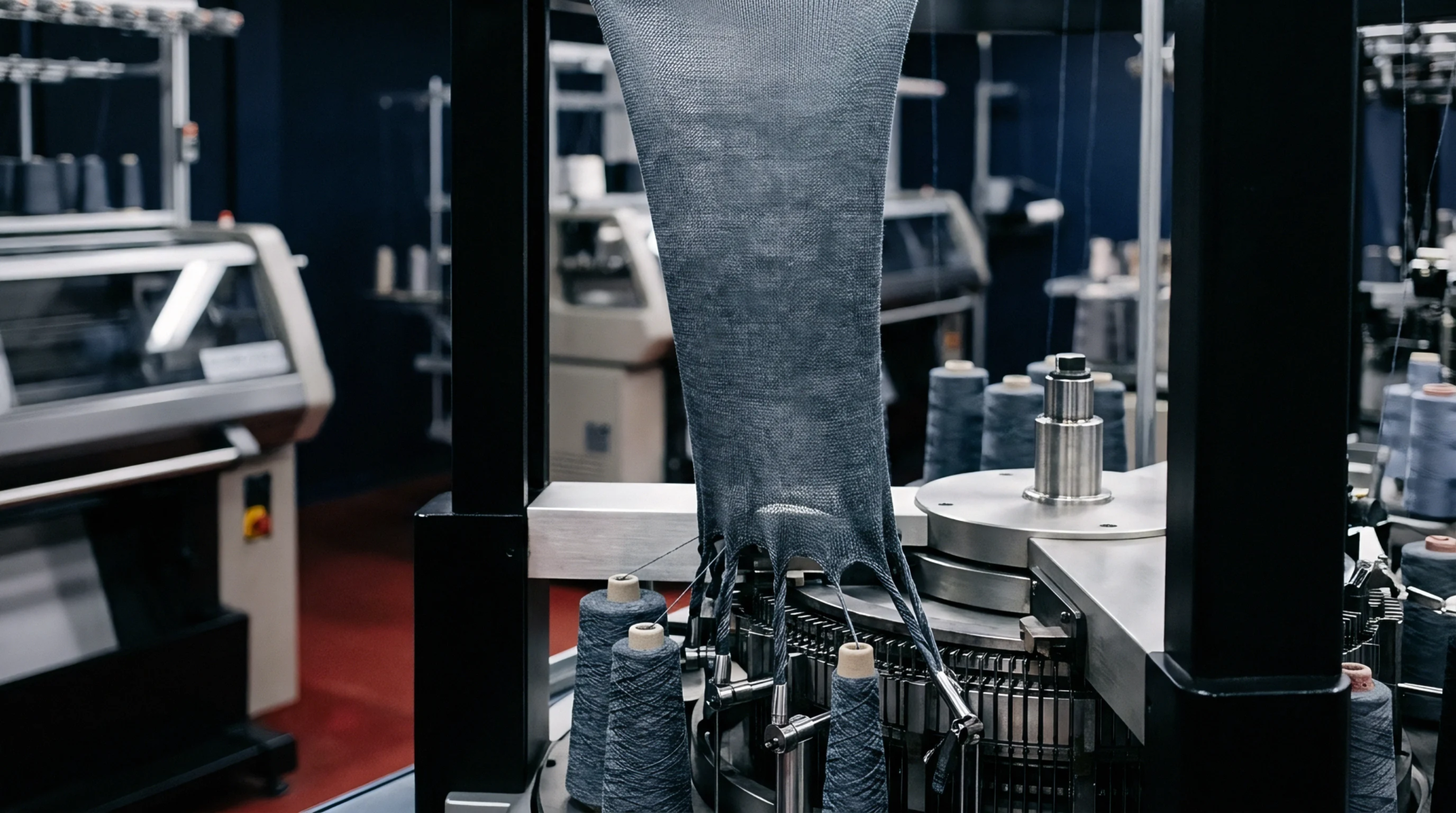
Measuring the length of fabric produced per unit weight provides a key metric for estimating the efficiency of knitting and weaving processes. Calculating the linear fabric yield helps mills determine the total length of fabric that can be cut from a known weight of yarn. This yield is typically expressed in meters per kilogram or yards per pound of fabric at a specified width.
Mass Distribution
Fabric width and areal weight directly influence the total length obtained from a given batch of yarn. If a mill increases the width of a knit fabric, the linear yield decreases because more yarn is consumed across each course. This relationship requires careful adjustment of tension during the knitting cycle to keep the yield stable.
If the yarn tension is too loose, the fabric becomes thicker, resulting in a lower linear yield and increased yarn consumption.
Density Constraint
Measurement accuracy is highly sensitive to the moisture content of the fabric during weighing. Synthetic fibers have lower moisture regain and are less sensitive to ambient humidity than natural fibers like cotton. Thus, all measurements must be conducted under standard laboratory conditions to ensure comparison reliability.
Commercial Application
Garment manufacturers use yield metrics to calculate the cost of fabric required for a production run of apparel. If a shipment yields fewer meters than expected, the cut planning is disrupted and extra fabric must be ordered. This measurement ensures that the mill delivers the promised amount of usable fabric.