Optical Measurement
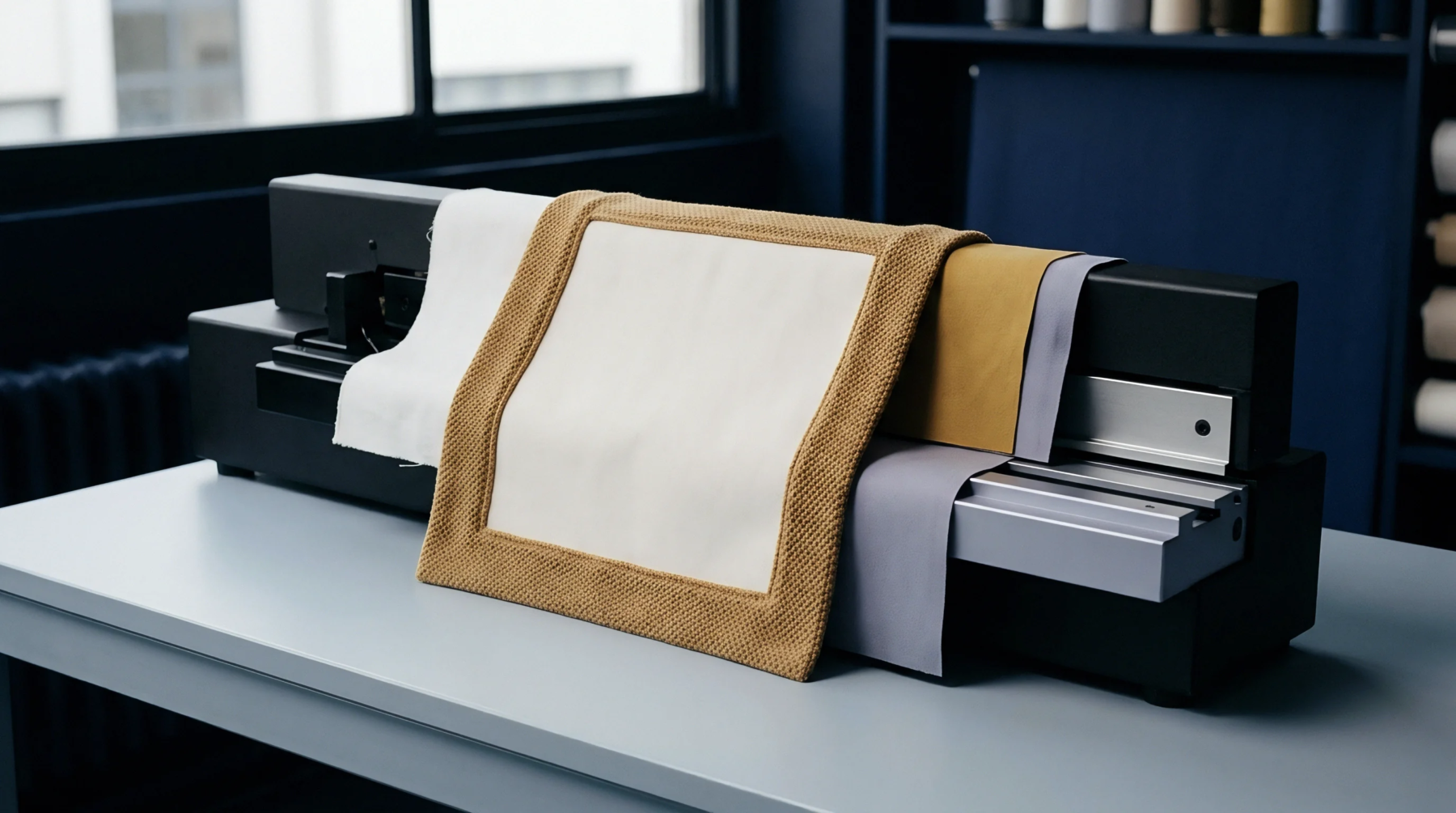
A magnifying loupe provides visual magnification to allow manual counting of individual yarns within a textile substrate. A linen tester relies on a fixed distance between the lens and the base plate to maintain focus on the fabric surface. The aperture cut into the foot of the device defines the specific area for yarn enumeration.
Inspectors use this tool to determine thread density and weave construction in finished fabrics.
Physical Verification
Technicians place the base over the area of interest to isolate a square inch or centimeter. They count the number of warp and weft yarns visible through the opening under the lens. Consistent lighting conditions reduce glare and improve clarity during high density analysis.
This method identifies discrepancies between bulk production quality and the technical specifications required for mass procurement.
Calibration Stability
Precise results depend on the alignment of the magnification element relative to the measurement aperture. Mechanical wear on the base plate alters the viewing distance and distorts the yarn count. Calibration involves checking the aperture dimensions against a certified gauge to ensure physical dimensions remain accurate.
A deviation in the frame size introduces errors that persist throughout subsequent quality control stages.
Inspection Scope
Correct application requires the sample to lie flat on a stable surface. Pressure on the device during measurement risks stretching the fabric or deforming the weave pattern. Fabric with high elasticity often produces skewed count values unless technicians account for tension differences.
The tool provides a final check of structural integrity before batch acceptance.