Solvent Separation
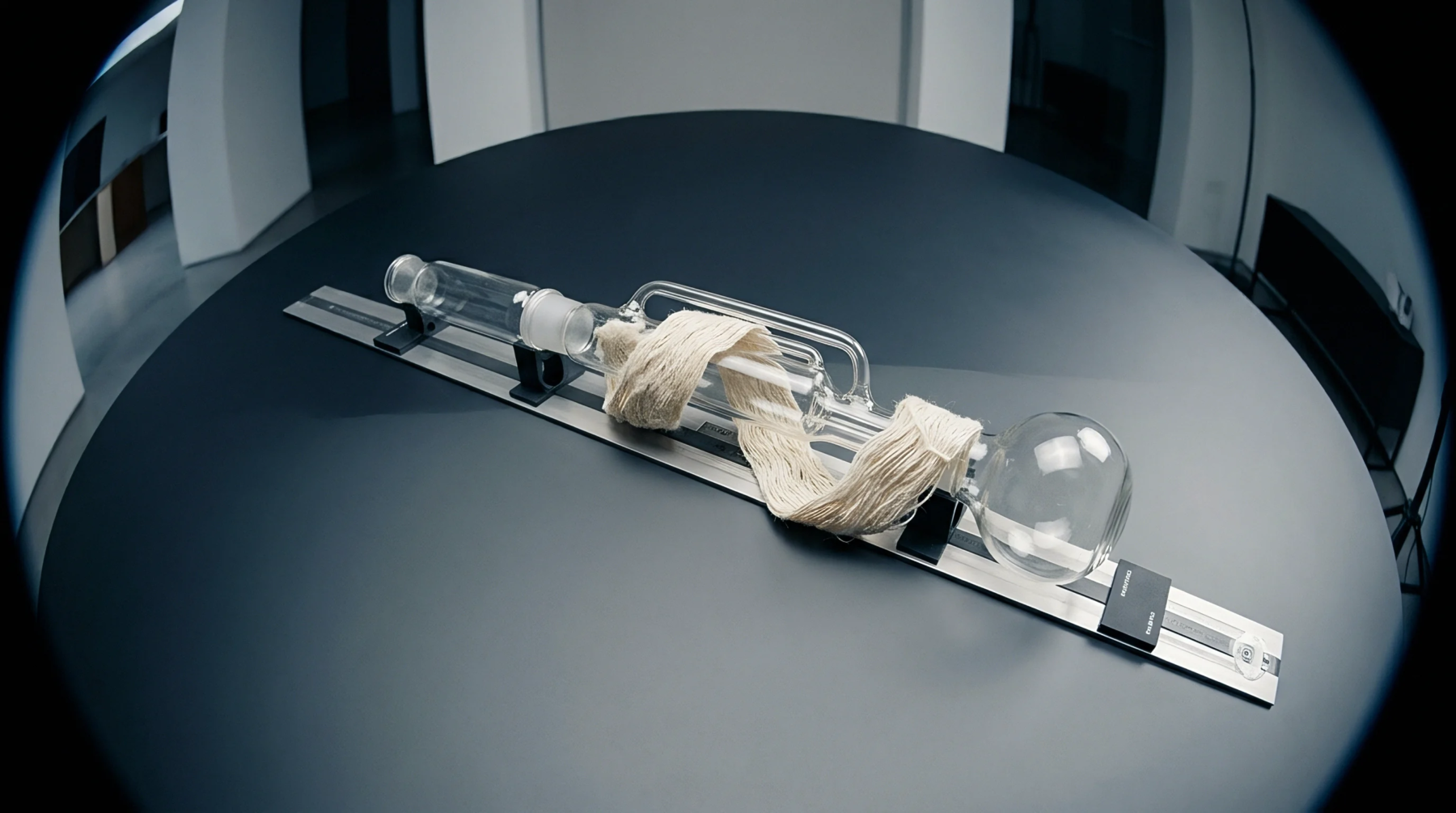
Chemical engineering processes utilize these methods to isolate specific substances from a solid or liquid mixture by contacting the material with an immiscible solvent. In textile processing, liquid extraction methods facilitate the removal of unwanted oils, waxes, or residual chemicals from fibres during scouring or cleaning operations. High solubility differences between the target impurity and the base substrate drive the separation efficiency.
Processing Dynamics
Solvent selection remains the primary factor for achieving high purity levels in fibre treatment because the polarity of the liquid must align with the target contaminants. Workers apply these liquids through immersion or continuous flow systems where the extraction rate depends on the contact duration and temperature levels. Proper solvent recovery systems allow manufacturing units to recycle the cleaning agents to reduce waste and lower production costs.
Operational Constraints
Mass transfer limits define the boundaries of performance when the extraction process reaches a state of thermodynamic equilibrium. Increased surface area of the processed fibre improves the kinetic rate of solute movement into the solvent. Heat application accelerates molecular diffusion but demands careful control to prevent damage to synthetic or natural fibre structures.
Quality Verification
Analytical technicians quantify the success of these techniques through weight loss measurements or spectroscopic testing of the residual material. Consistent performance indicates that the extraction cycle met the required chemical removal standard for subsequent finishing or dyeing stages. Precise control over liquid contact intervals ensures that uniform properties remain throughout the bulk production batch.