Process Specification
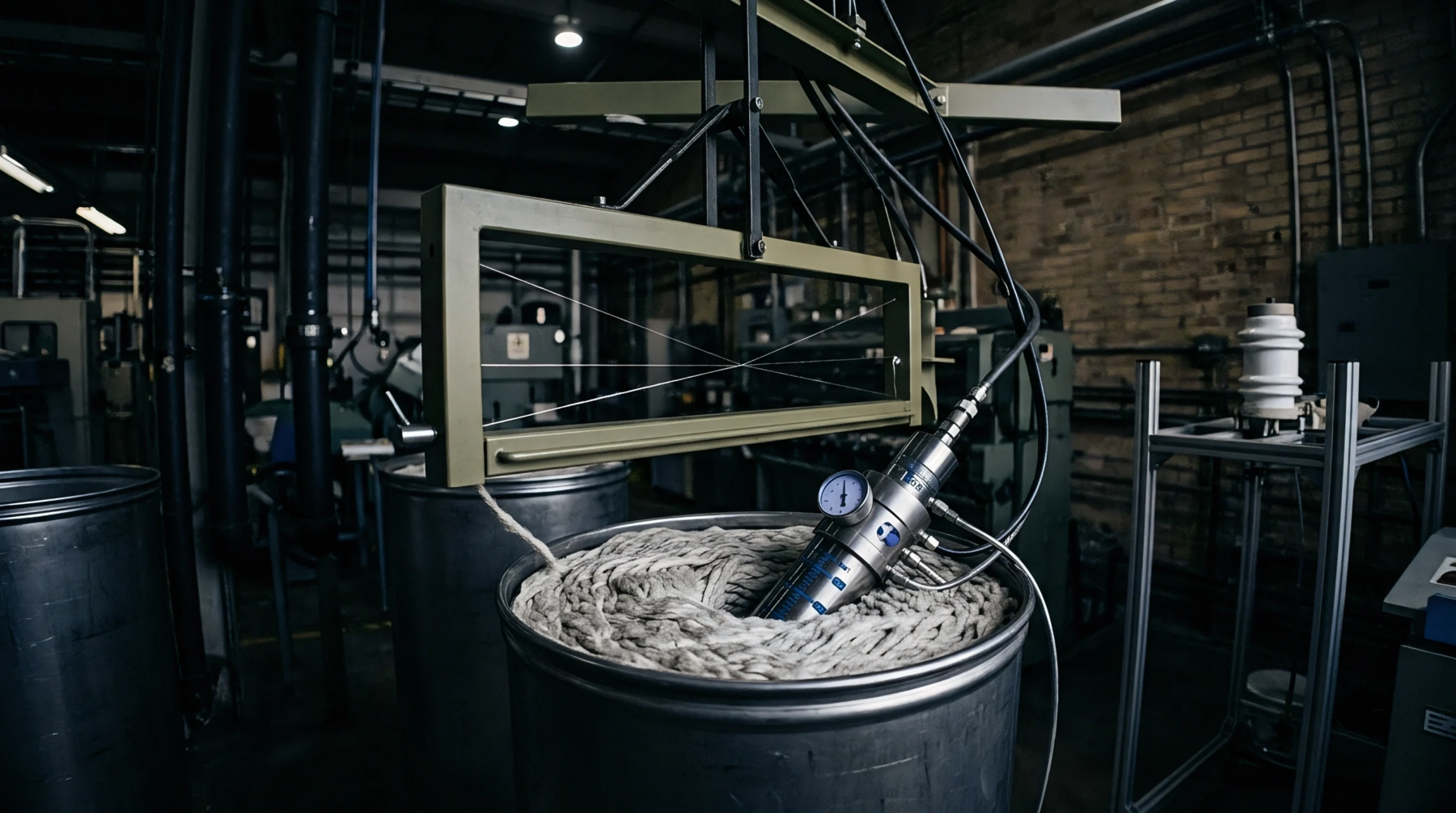
Reduced water consumption in textile wet processing decreases the quantity of chemicals, thermal energy, and effluent treatment required per kilogram of dyed fabric. A low liquor ratio defines a system where the weight of the dye bath relative to the weight of the textile material is kept below one to eight. This configuration is widely used in modern jet and package dyeing machines to improve resource efficiency.
Chemical Consequence
Operating at a compressed water volume increases the concentration of dye molecules and chemical auxiliaries in the bath. Implementing a low liquor ratio accelerates the exhaustion rate of reactive dyes, which can lead to rapid and uneven uptake if not carefully managed. Dyestuff manufacturers must design specialized leveling agents that work effectively in these concentrated solutions.
Environmental Output
Dyehouses that utilize this approach save significant heating energy because there is less water to raise to the boiling point. The low liquor ratio reduces the volume of wastewater that must be neutralized and treated before discharge. This practice helps the mill comply with local environmental standards and reduces its overall carbon footprint.
Processing Limit
This approach cannot be used for very light fabrics. Such materials require more water to float without tangling.