Rapid Screening
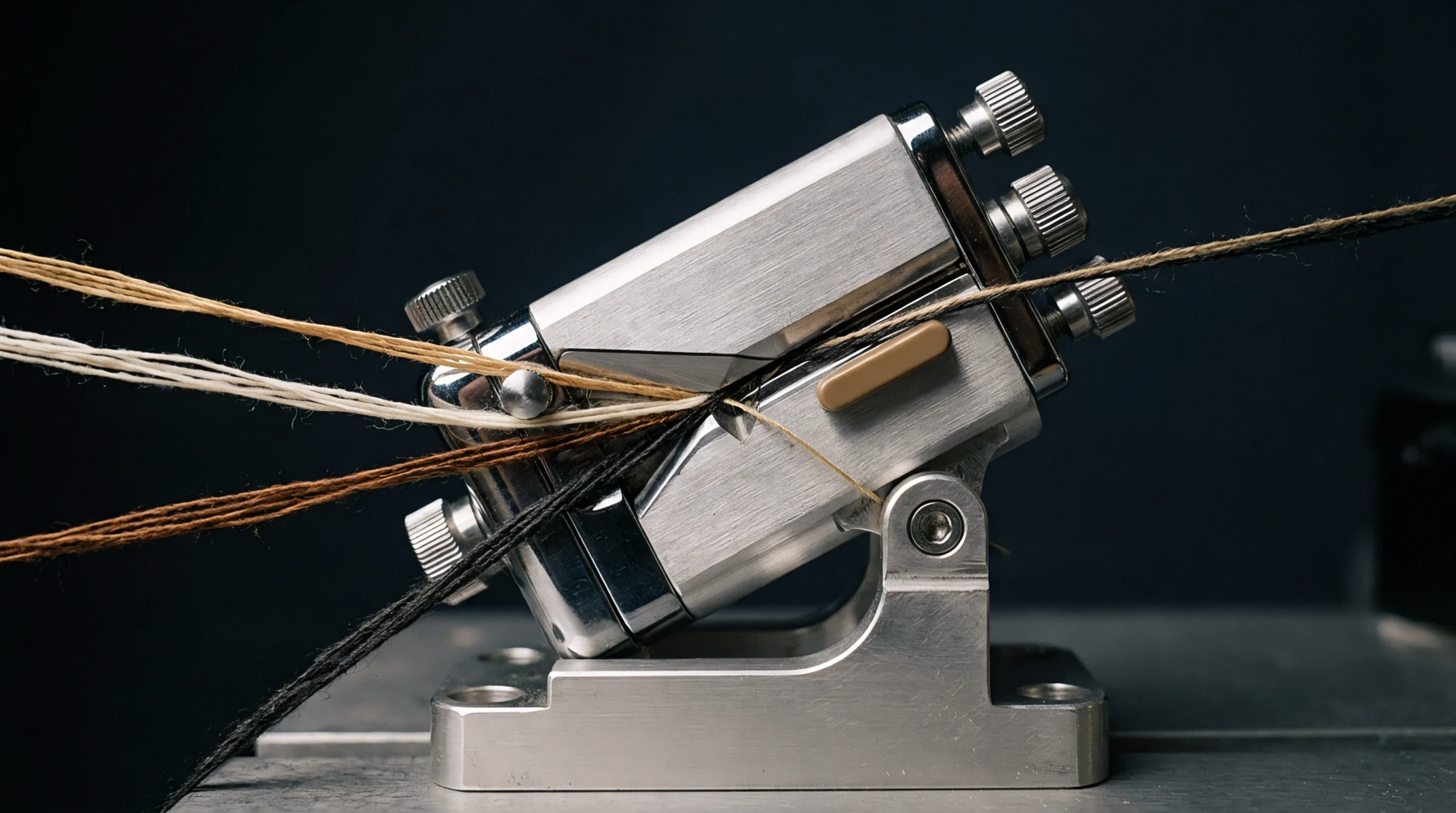
Accelerated surface extraction techniques utilize small-volume heated cell assemblies to capture volatile off-gassing products from material specimens within condensed testing timeframes. For textile compliance screening, micro-chamber test methods measure volatile organic chemical release rates from small fabric cutouts or synthetic foam samples. The micro-scale apparatus enables rapid quality control evaluation compared to full-scale environmental test chambers.
Extraction Kinetics
Heated micro-chambers pass controlled streams of inert gas or clean air over small material samples maintained at elevated temperatures. Volatile compounds rapidly transfer from the fabric surface into the gas stream, which routes directly onto sorbent tubes for chemical analysis. Test runs finish in hours rather than the twenty-eight days required by standard room-scale chamber evaluations.
Operators adjust cell temperatures between forty and one hundred twenty degrees Celsius to accelerate volatile extraction from dense synthetic backings or laminated coatings.
Quality Screening
Sorbent tubes collected from micro-chamber runs undergo thermal desorption gas chromatography to identify individual chemical species. Calibration curves correlate micro-chamber emission rates with standard chamber results, establishing predictive factors for production screening. Mill laboratories utilize this data to identify non-compliant dye lots prior to shipment.
Testing Limit
Micro-chamber techniques function as rapid screening tools for comparative quality assessment. Formal regulatory compliance declarations for building products or interior automotive materials require full-scale chamber verification under official standards.