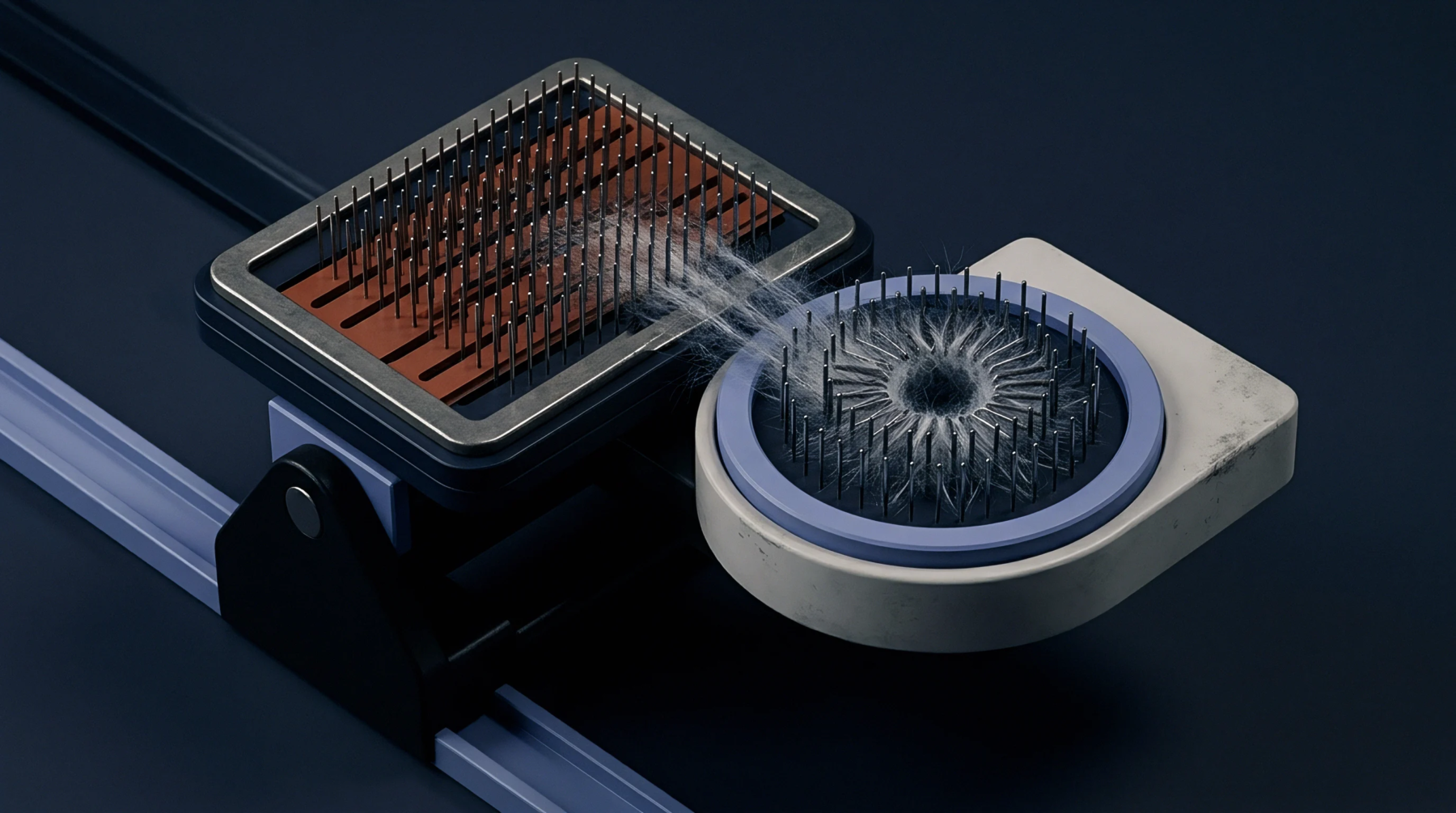
Maintenance Ejection
Periodic firing of all nozzles into a waste gutter or onto a designated area of the substrate keeps the ink channels from drying out. Micro spitting occurs at regular intervals during the printing process to move fresh ink through the head. Fresh liquid prevents the buildup of thickened ink or sediment that would otherwise block the fine openings of the nozzle plate.
Orifice Health
Small amounts of pigment can collect and dry when a nozzle is not used for a specific color in a complex pattern. Through micro spitting, the system ensures that every channel remains open and ready to fire even if its color is not currently needed for the design. Such preventative measures are essential for maintaining the crispness of fine lines on woven fabrics.
Waste Calculation
Ink consumed during these cycles must be accounted for in the total cost of production. While micro spitting uses only a tiny volume per event, the cumulative amount across a large multi head machine becomes a measurable expense. Manufacturers balance the cost of wasted ink against the much higher cost of replacing a permanently clogged printhead.
Continuous Production
Automated routines trigger these pulses without stopping the movement of the fabric through the press. Reliability in long production runs is significantly improved when micro spitting is configured correctly for the specific viscosity of the textile ink. This process is a standard feature of modern high volume digital printing systems.
Regular purging cycles protect the machine during high speed operation.