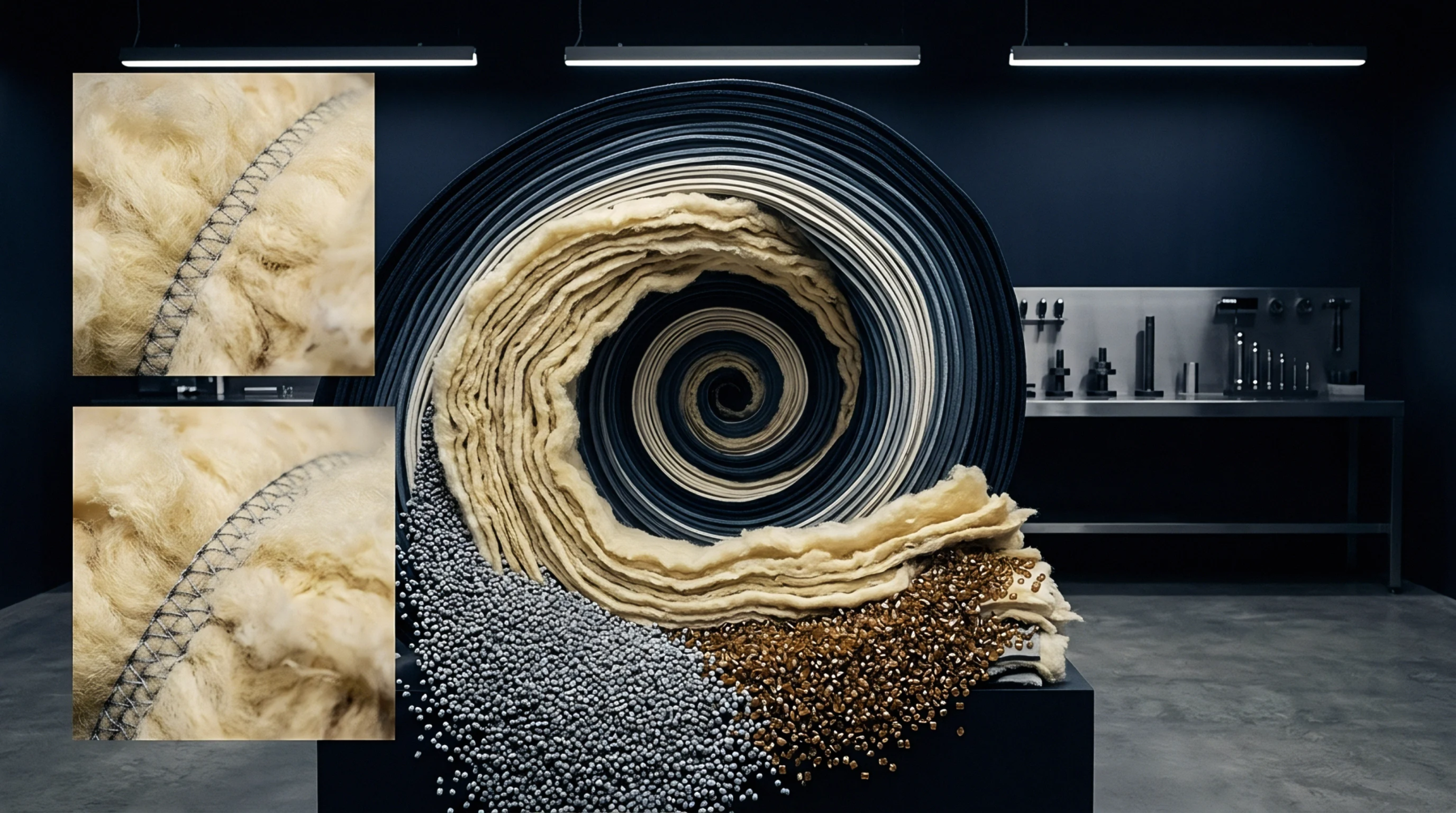
Thermal Gradient
Functional garment systems organize moisture transport and thermal insulation into discrete layers relative to human skin. Defining specific microclimate tiers allows technical garment designers to map moisture vapor transmission rates and thermal resistance values across inner, mid, and outer fabric layers. The system evaluates temperature, relative humidity, and air velocity within the narrow air gaps separating skin from outer protective shells.
Measurement boundaries stop at the outer boundary of the garment assembly, ignoring external weather variables beyond the shell surface.
Transport Mechanism
Inner next-to-skin fabric layers utilize synthetic hydrophobic yarns to pull liquid sweat away from pores via capillary action. Mid-layer insulating fabrics trap stagnant air inside lofted structures to retain radiant body heat. Outer protective shells restrict wind penetration while allowing evaporated water vapor to escape outward through microporous membranes.
Managing microclimate tiers requires balancing liquid transport rates with thermal insulation values across each adjacent material interface. Differential vapor pressure between warm skin surface air and cold outer ambient air drives moisture movement through the layered structure. Sweating guarded hot plate instruments measure total thermal resistance and water vapor resistance for multi-layer fabric assemblies.
Improper fabric combinations cause moisture buildup, resulting in rapid post-exercise cooling.
Testing Boundary
Laboratory evaluations measure static fabric assemblies on flat thermal plates. Dynamic body movement and wind compression alter layer spacing, changing real-world microclimate performance values.
Garment Specification
Apparel brands specify technical performance parameters for each tier in functional outerwear lines. Fabric suppliers submit laboratory test data confirming that base layer fabrics meet minimum wicking speeds and outer shells achieve required breathability ratings. Matching component performance ensures balanced moisture evacuation throughout the complete layering system.