Assembly Process
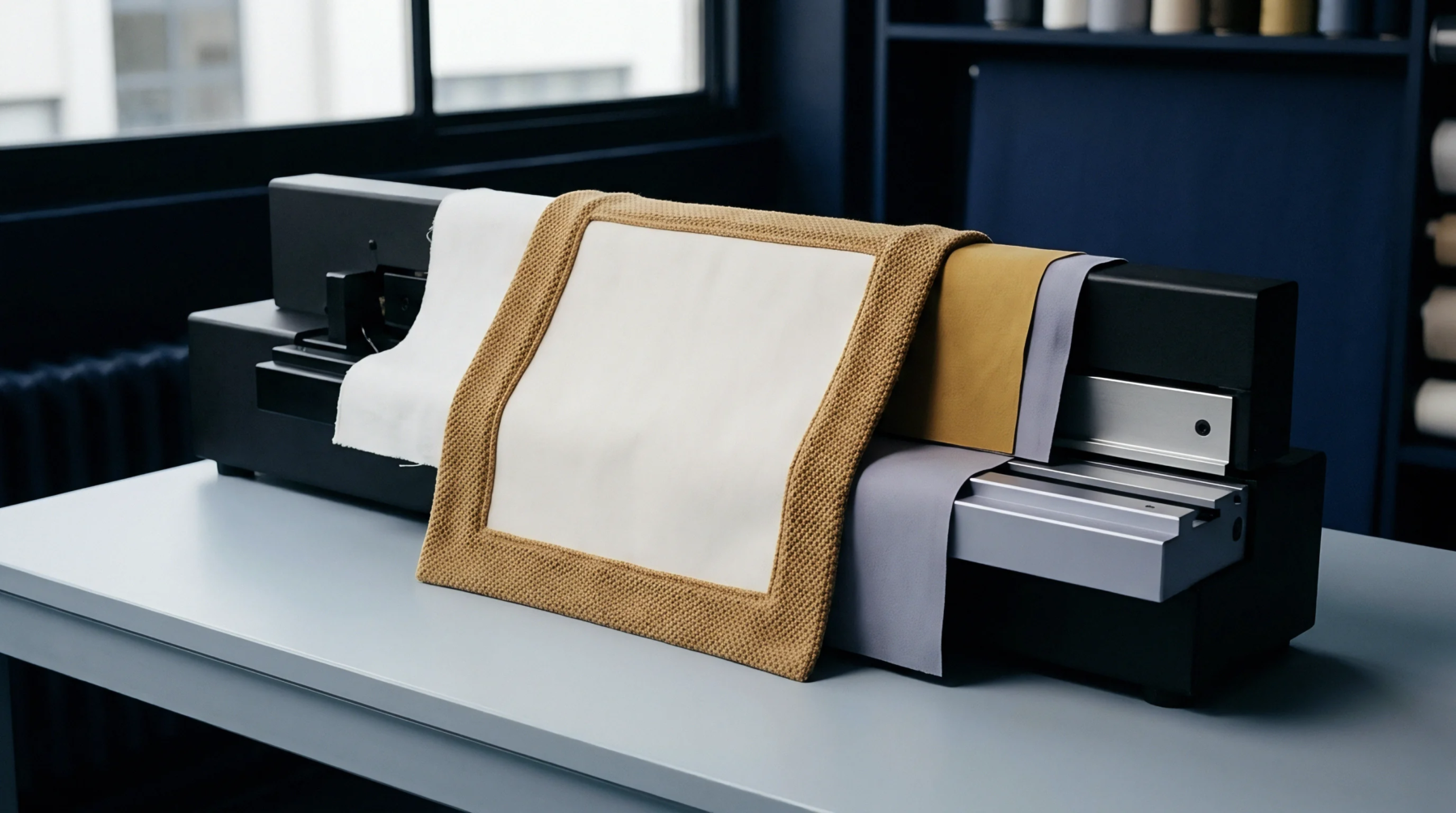
The physical construction of complex apparel items involves joining panels of different fabric weights, materials, or suppliers into a single piece of clothing. This sequence, known as multi component garment assembly, occurs in the sewing lines of a factory where pockets, collars, sleeves, and main bodies are stitched together. Managing the material flow for these lines is a major task in production scheduling.
Quality Coordination
Color matching becomes a major risk when fabrics from different dye lots are used for adjacent panels in the same garment. If the sleeve fabric comes from one dye run and the body fabric from another, the visual difference can be striking under retail lighting. This risk requires factories to implement strict grouping procedures during the cutting phase.
Production Management
Sorting and bundling systems track every panel from the cutting table to the final stitching machine. Each bundle of cut parts is kept together to ensure that fabrics made from the same yarn lot are assembled into the same finished garment. This system avoids the mismatching that occurs when parts from different dye lots are mixed during assembly.
Operational Outcome
Successful coordination of these parts ensures a uniform color and drape across the whole garment. This consistency protects the brand from store rejections and increases consumer satisfaction.