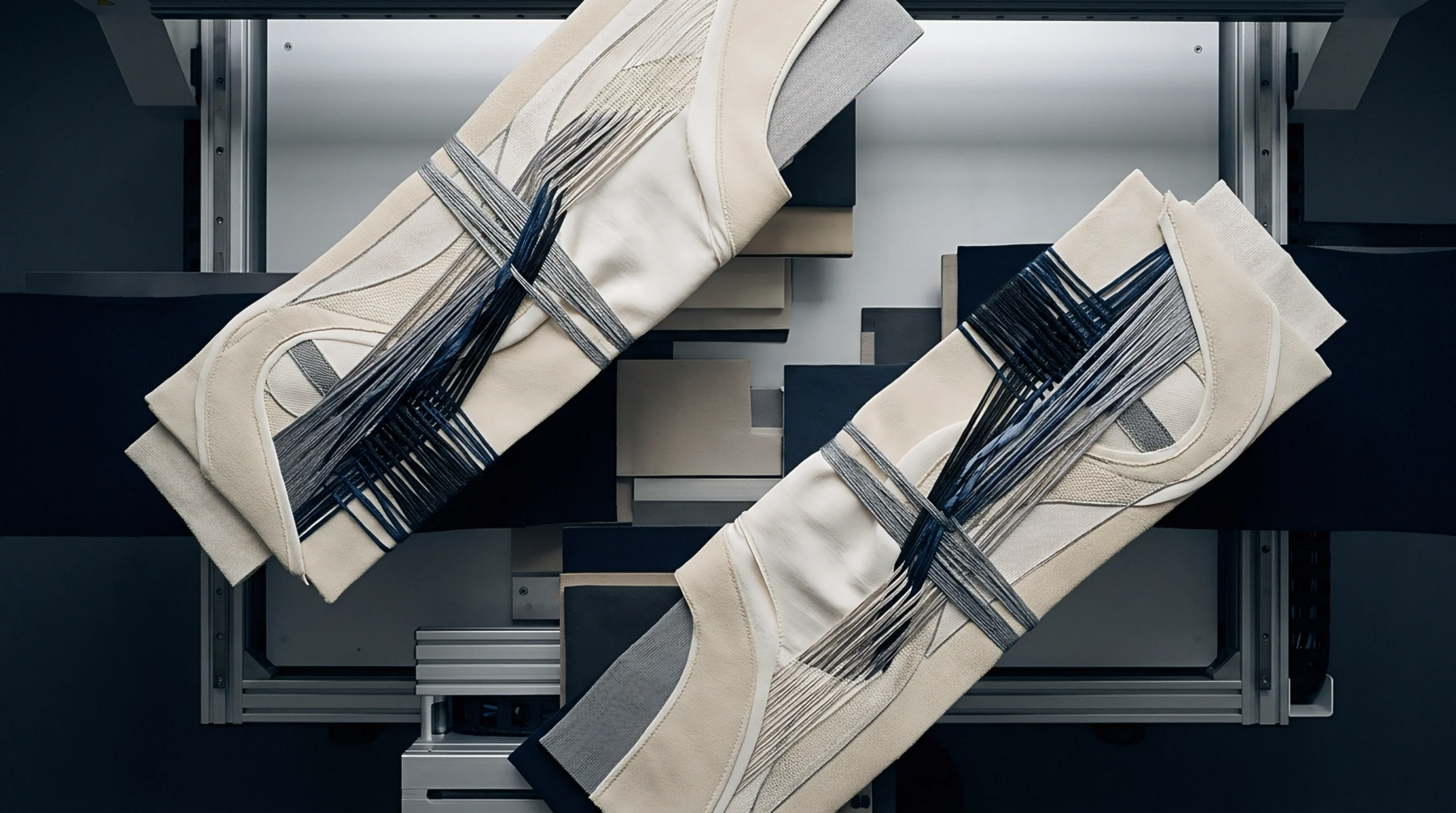
Production Adjustment
Proportional conversion of laboratory or single-tube dye parameters to large-capacity multi-tube production machines represents a major technical step in industrial dyeing. This process relies on maintaining identical liquor ratios, fabric speeds and temperature profiles across different machine sizes. Effective multi tube jet scaling ensures that dye recipes developed in the laboratory can be executed in multi-chamber production machines without causing color mismatch.
Hydraulic Equivalence
Matching the fluid velocities across all active nozzles requires a balanced distribution manifold that delivers equal liquid volumes to each tube. During multi tube jet scaling, the pump flow rate must be increased in direct proportion to the number of tubes to maintain the same hydraulic pressure at each nozzle. If the flow is not balanced, the fabric ropes in different tubes will travel at different speeds, which leads to shade variation between the chambers of the same machine.
Chamber Partition
Fabric ropes must be loaded into each tube at equal lengths to prevent cycle discrepancies during processing. When performing multi tube jet scaling, the technician calculates the total rope length and divides it equally among the tubes to ensure that the fabric completes its travel cycles simultaneously. This division prevents some ropes from being exposed to the dye liquor for longer periods than others, which is a common cause of internal batch variation in multi-tube systems.
This synchronization becomes even more necessary when processing blends of synthetic and natural fibres that have different exhaustion rates.
Consistency Standard
Regular flow distribution checks across all tubes are performed to confirm that hydraulic balance is maintained. These measurements verify that the multi tube jet scaling holds true over time, protecting the production department from unexpected batch failures.