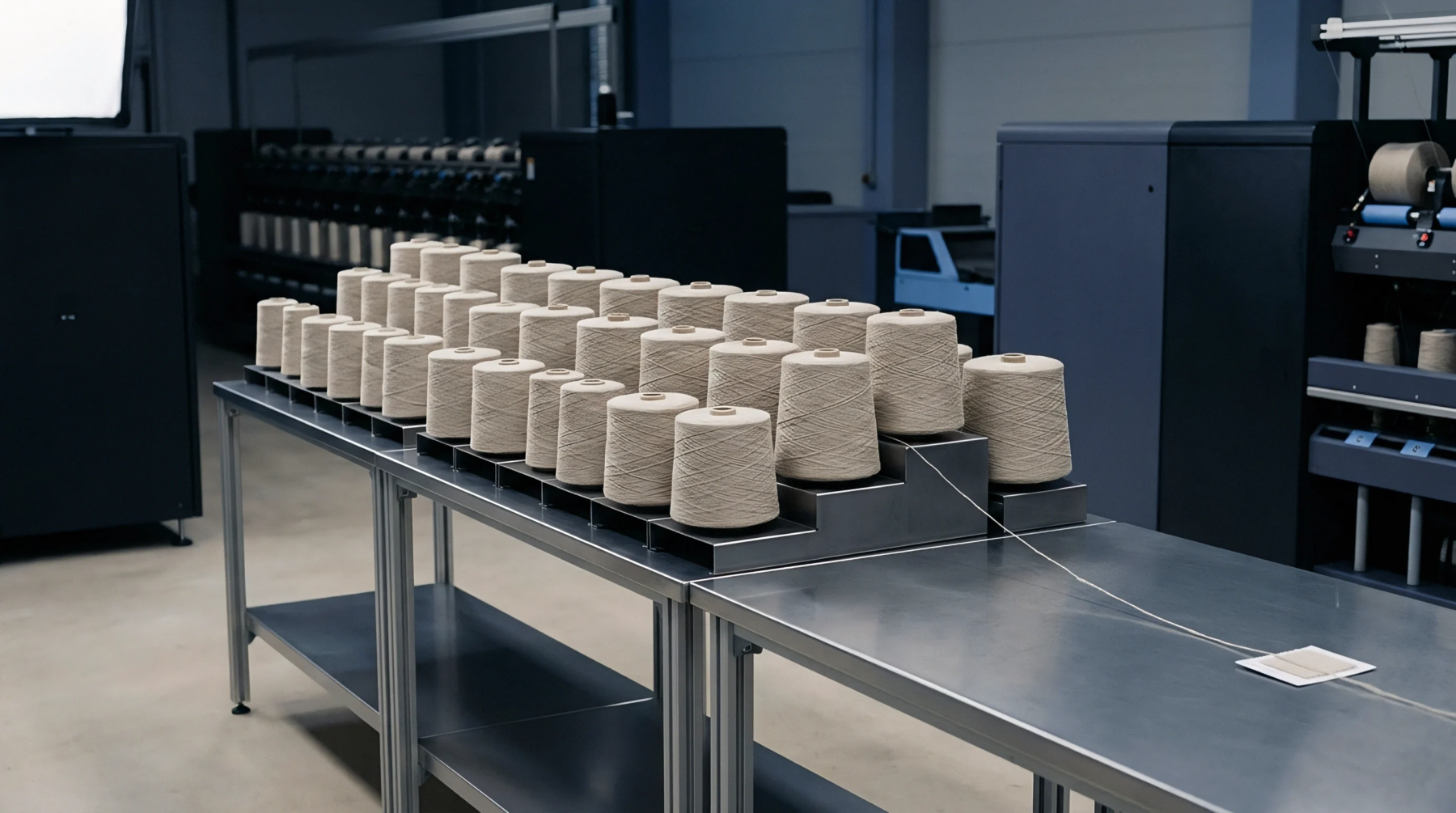
Production Cleaning
Solvent extraction and mechanical scrubbing constitute the chemical and physical action of non-fibrous residue removal. Manufacturers apply these methods to eliminate waxes, processing oils, lubricants and sizing agents from raw textile materials. Removing these extraneous substances creates a clean substrate for subsequent dyeing or functional coating operations.
Success in this operation depends on maintaining precise bath temperatures and agitation speeds to ensure total contaminant displacement without damaging the integrity of the natural or synthetic fibres.
Chemical Compatibility
Selecting appropriate surfactants or organic solvents determines the efficiency of non-fibrous residue removal. Acidic treatments work for mineral oil contaminants, while alkaline solutions target vegetable-based lubricants or starch derivatives. A technician monitors the electrical conductivity of the rinse water to confirm that all detergents and lifted particles depart the fabric surface.
Residual chemical traces interfere with uniform colour absorption during later finishing stages. High wash temperatures increase solubility but also threaten to degrade sensitive polymers or natural fibres like wool. Proper process control ensures that these agents leave the assembly line before the fabric reaches the drying equipment.
Quality Verification
Laboratory gravimetric analysis determines the weight percentage of total extractable matter remaining on a material after the completion of non-fibrous residue removal. Analysts weigh a dry sample before and after immersion in a solvent bath to quantify the mass of the eliminated finish. This testing confirms the effectiveness of the production setup against established quality benchmarks.
Achieving low residue levels ensures that final products meet strict performance criteria for moisture regain and surface friction.
Process Efficiency
Throughput speed and bath volume dictate the overall cost of non-fibrous residue removal. Continuous washer systems reduce cycle times by cycling solvent through multiple immersion zones. Recirculation technology recovers used cleaning agents to lower utility consumption during high-volume production cycles.
Effective cleaning maintains the longevity of equipment by preventing the buildup of gummy residues on rollers and heat exchangers. Proper residue management prevents downstream staining and ensures consistent bonding for adhesives used in technical textile laminations.