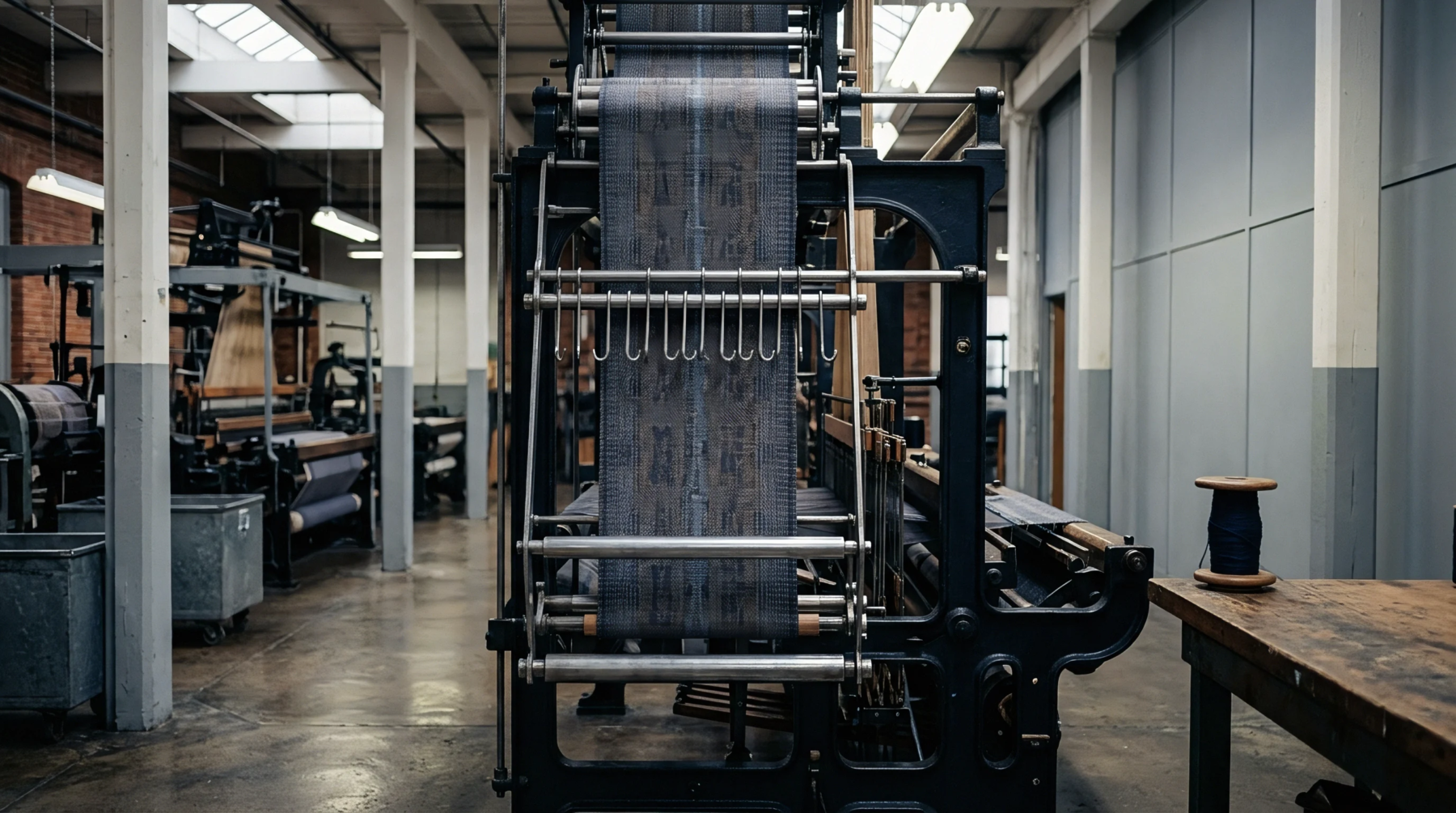
Loom Output
Total width of a woven fabric measured immediately after it is released from the tension of the weaving machine before any finishing or wet processing. This off loom grey width includes the body of the fabric and the selvedges on both sides. It represents the raw state of the textile as it leaves the loom shed.
Process Planning
Establishing the correct starting width is essential for calculating the final finished width of the cloth. Shrinkage occurs during subsequent stages such as scouring, dyeing, and heat setting, meaning the off loom grey width must be wider than the target final dimension. Weaving managers use contraction factors based on the yarn count and weave structure to determine the required reed width.
Quality Inspection
Discrepancies in the measured width across a single roll indicate inconsistent tension or mechanical issues during weaving. If the off loom grey width varies, the resulting finished fabric will have inconsistent density and weight. This variation is a common cause of rejection during the greige fabric inspection process at the mill.
Economic Impact
Monitoring this metric allows the mill to optimize the use of raw materials and maintain high yield rates. Excessive width leads to yarn waste, while insufficient width results in fabric that cannot meet the buyer’s specifications for garment patterns.