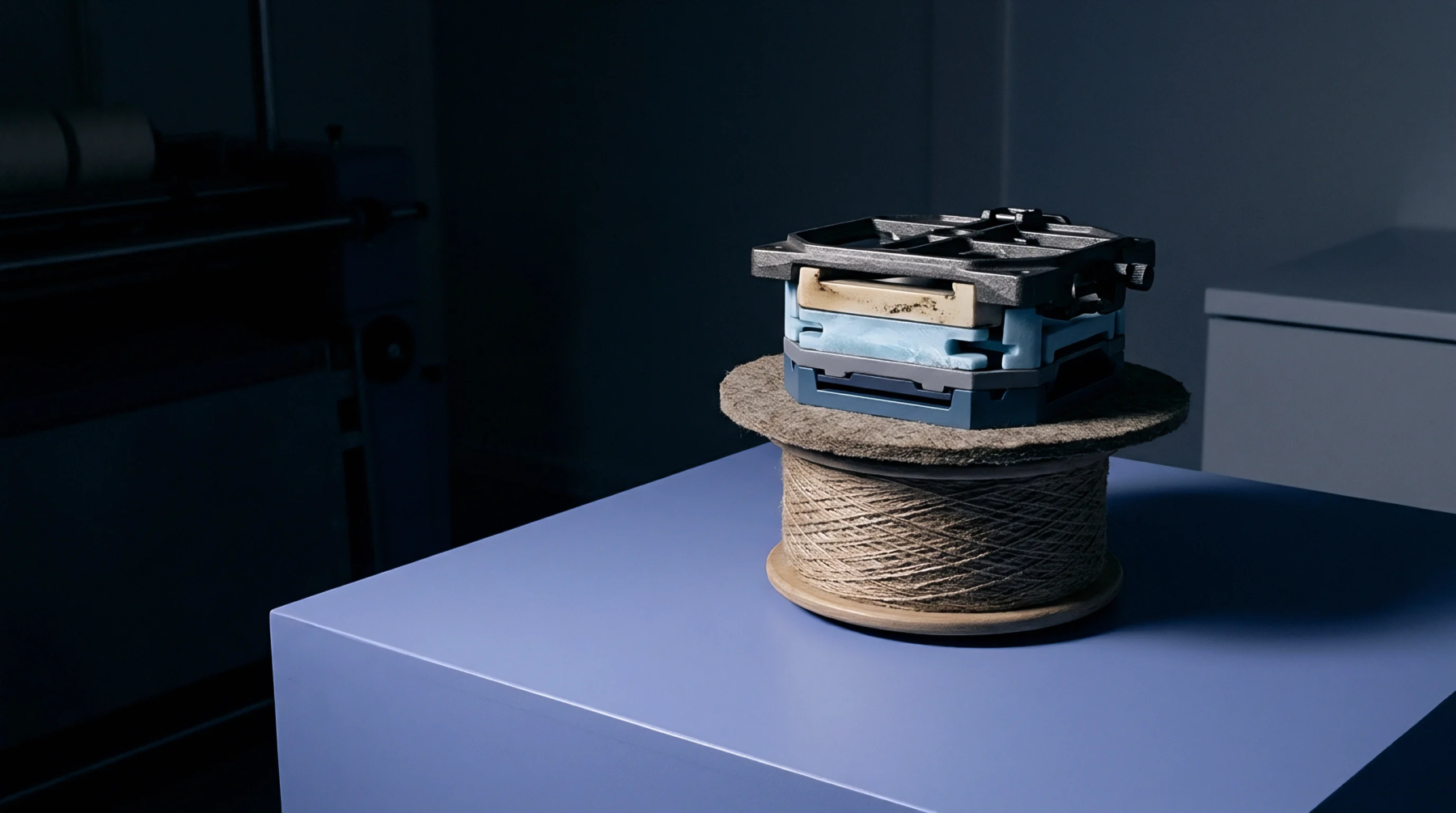
Mechanical Tensioning
Fabric finishing equipment utilizes this lateral engagement system to maintain precise width control during high temperature curing. An overfeed pin chain employs a series of vertical needles that penetrate the selvage of a textile, gripping the material firmly against the tension forces applied by the stenter frame. Operators adjust the speed of these driven belts relative to the main transport track to create a controlled surplus of fabric.
This physical excess allows the material to shrink longitudinally without tension while the needles prevent any narrowing of the width.
Process Requirement
Consistent fabric dimensions depend on the accurate synchronization of the chain drive with the internal transport motor. High speed finishing lines incorporate these assemblies to ensure that moisture content and heat setting cycles do not alter the final grain or squareness of the cloth. Heat resistant alloys protect the pins from degradation during continuous exposure to extreme kiln temperatures.
Operational Logic
Precise adjustment of the overfeed ratio determines the total amount of relaxation the fabric experiences during the drying stage. A positive ratio pushes more material into the chamber than the takeup roller pulls out, resulting in a slightly loose state. Lowering the ratio creates higher tension, which stretches the substrate and reduces the total yield of the bolt.
Technical Performance
Correctly maintained needle alignment provides the only reliable defense against wavy edges or bowed weft patterns in processed rolls. Worn or broken pins fail to anchor the selvage, causing the fabric to slip and producing irregular widths across the production run. Properly calibrated hardware prevents skewed alignment of the warp and weft yarns throughout the finishing cycle.