Repellent Derivative
Persistent organic chemicals provide specialized oil and water repellency for various textile surfaces but are restricted due to their extreme resistance to environmental breakdown. Known as perfluorooctane sulfonate, this specific compound was once the primary active ingredient in many stain resistant treatments for carpets, upholstery and outdoor clothing. It belongs to the broader class of fluorinated chemicals and is characterized by an eight carbon chain that is fully saturated with fluorine atoms.
This structure makes the molecule incredibly stable and effective at lowering the surface energy of a material. However, this same stability means it never naturally degrades in the environment, leading to its listing under the stockholm convention on persistent organic pollutants.
Textile Application
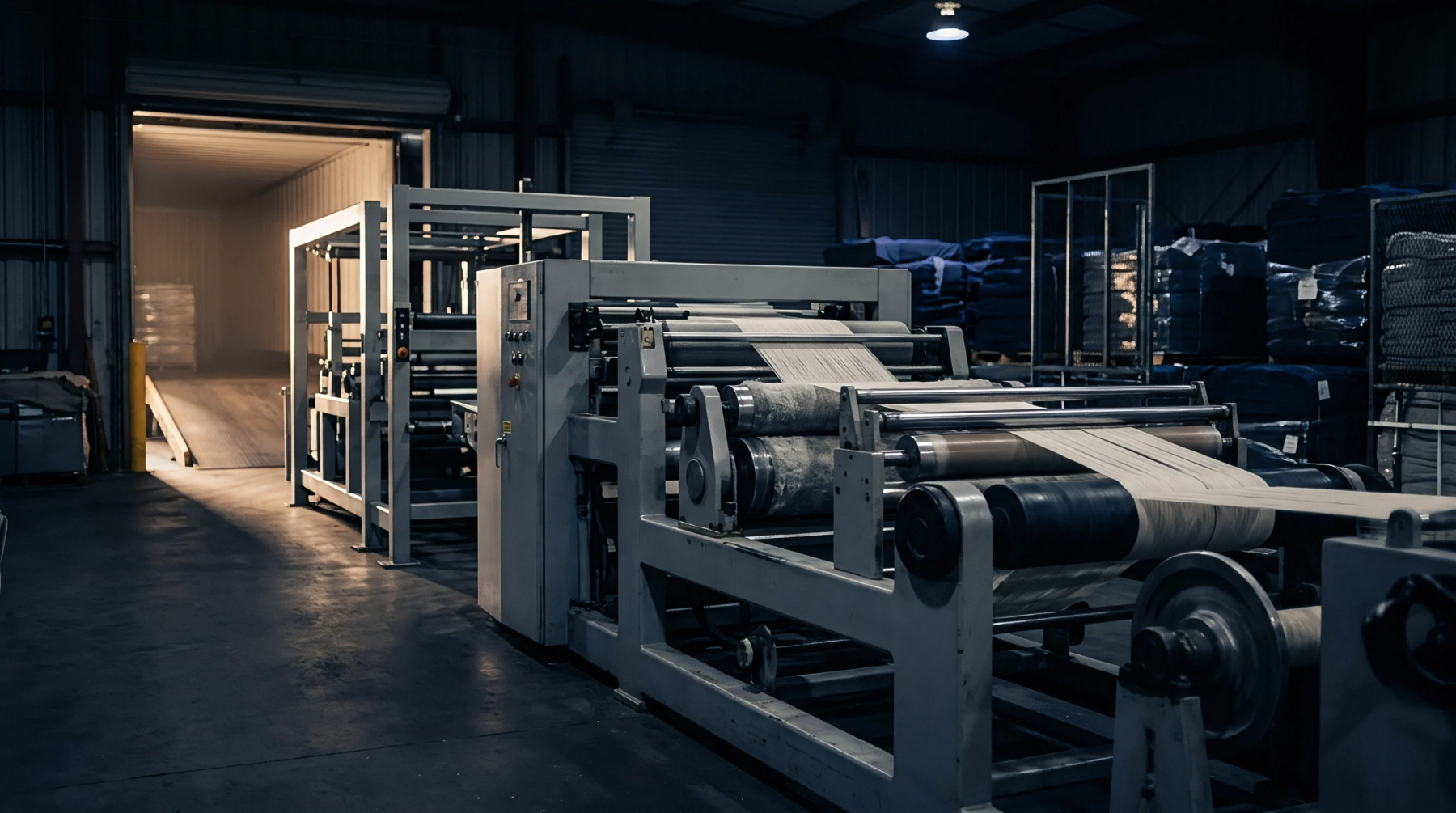
Finishing processes in the mill used to rely on this chemical to provide durable protection against spills and weather. Perfluorooctane sulfonate was typically applied to the fabric as part of a liquid coating that would then be cured in a high temperature oven. The chemical would form a microscopic layer on the fibres, causing water and oil droplets to bead up and roll off the surface.
This was particularly valued for products like technical jackets and military uniforms where performance is the highest priority. Over time, it was discovered that the chemical could leach out of the fabric during use or be released into the water during the manufacturing process. These releases have led to widespread contamination of water systems and have made the chemical a target for immediate elimination from the supply chain.
Bioaccumulation Potential
Persistence in the environment allows this chemical to enter the food chain and concentrate in the tissues of higher organisms over time. Unlike many other pollutants, perfluorooctane sulfonate does not break down through exposure to sunlight, water or bacteria. It is highly mobile in water, meaning it can travel thousands of miles from the point of discharge.
Studies have found the chemical in the blood of humans and animals all over the world, even in remote areas far from any industrial activity. In humans, exposure has been linked to various adverse health effects, including developmental issues and interference with the immune system. This combination of global spread and potential toxicity is the reason for the strict international bans on its production and use.
Regulatory Compliance
Legal restrictions in most major markets now prohibit the presence of this chemical in finished textile goods above very low levels. Under the rules of the reach regulation and other national laws, the limit for perfluorooctane sulfonate is usually set at 1 microgram per square meter of fabric. To ensure compliance, manufacturers must conduct rigorous laboratory testing on their materials using liquid chromatography and mass spectrometry.
These tests are sensitive enough to detect even trace amounts of the chemical that might be present as a contaminant from old equipment or recycled materials. Brands require their suppliers to provide certificates of conformity for every batch of fabric to prove that no restricted fluorinated chemicals were used. This strict monitoring is necessary to prevent the accidental reintroduction of this hazardous substance into the consumer market.