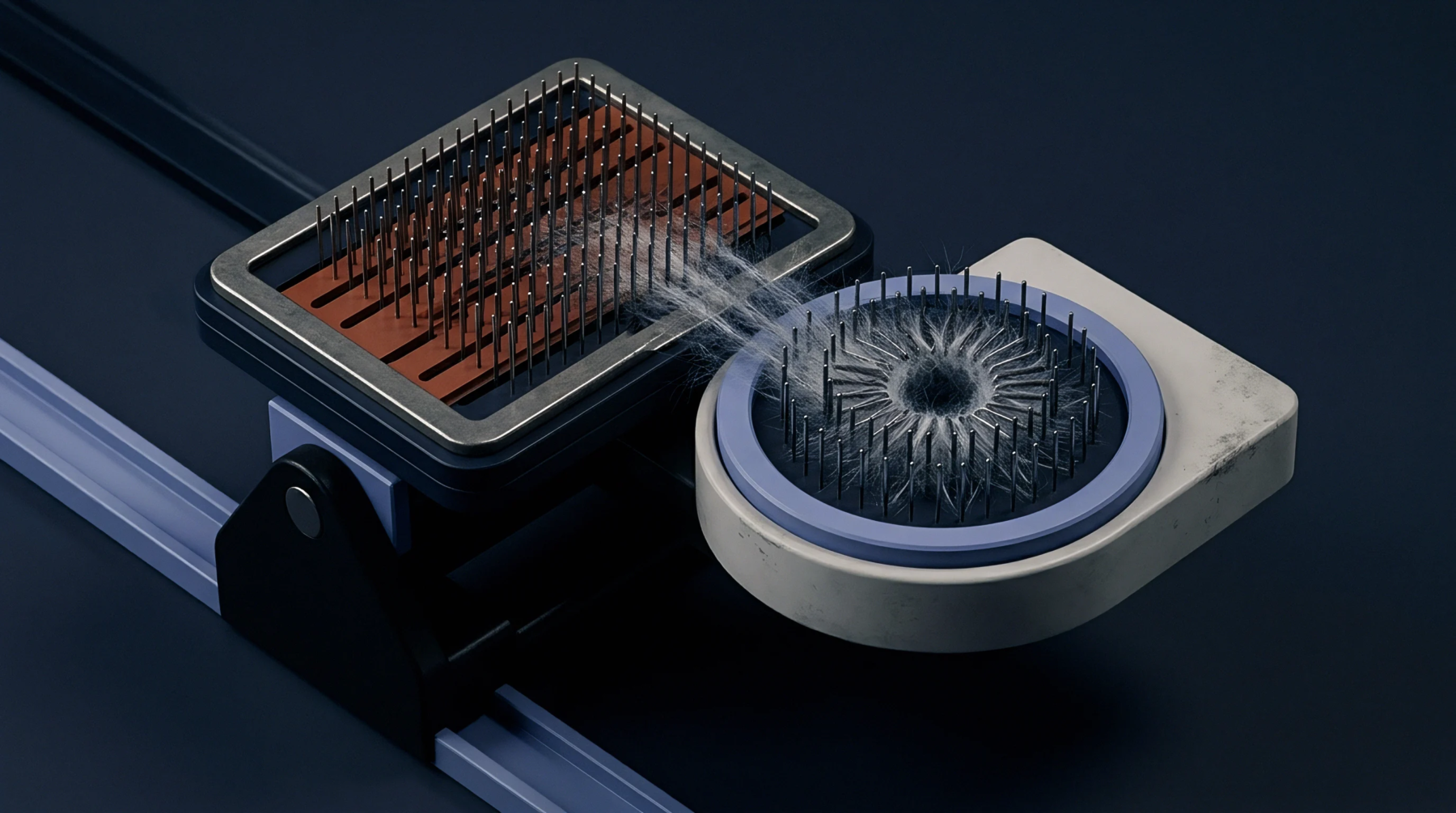
Particle Clustering
Unintended bonding of solid pigment particles and resin binders within a liquid ink creates larger masses that can obstruct printhead channels. Pigment binder agglomeration happens when the chemical suspension fails due to temperature extremes or improper storage. These clusters are often too large to pass through the microscopic nozzles, leading to immediate hardware failure.
Fluid Stability
Modern textile inks use dispersants to keep every component floating freely in the solution. If the balance of the ink is disturbed, pigment binder agglomeration leads to sedimentation in the tanks and hoses. Regular agitation and recirculation are used in industrial printers to prevent these particles from settling and sticking together.
Filter Maintenance
Protective screens within the ink delivery system capture some of these clusters before they reach the sensitive printheads. When pigment binder agglomeration is present, filters will clog frequently and cause a drop in ink pressure. Identifying the source of the instability is necessary to prevent the loss of an entire batch of expensive ink.
Print Quality
Large clumps that do reach the nozzle plate cause severe deflection or complete blockages. Since pigment binder agglomeration affects the flow characteristics of the liquid, it can also lead to inconsistent color saturation on the fabric. High quality ink manufacturing and strict shelf life management are the primary defenses against this chemical failure.
Stable storage conditions prevent the premature breakdown of the binder suspension.