Void Preservation
Ability of a porous material to maintain its internal air volume and pore size distribution after being subjected to mechanical or thermal stress defines its functional lifespan. Measuring porosity retention is critical for technical textiles used in filtration or medical applications where the flow of air or liquid must remain constant. It indicates how well the scaffold or web resists collapse during use.
Processing Stress
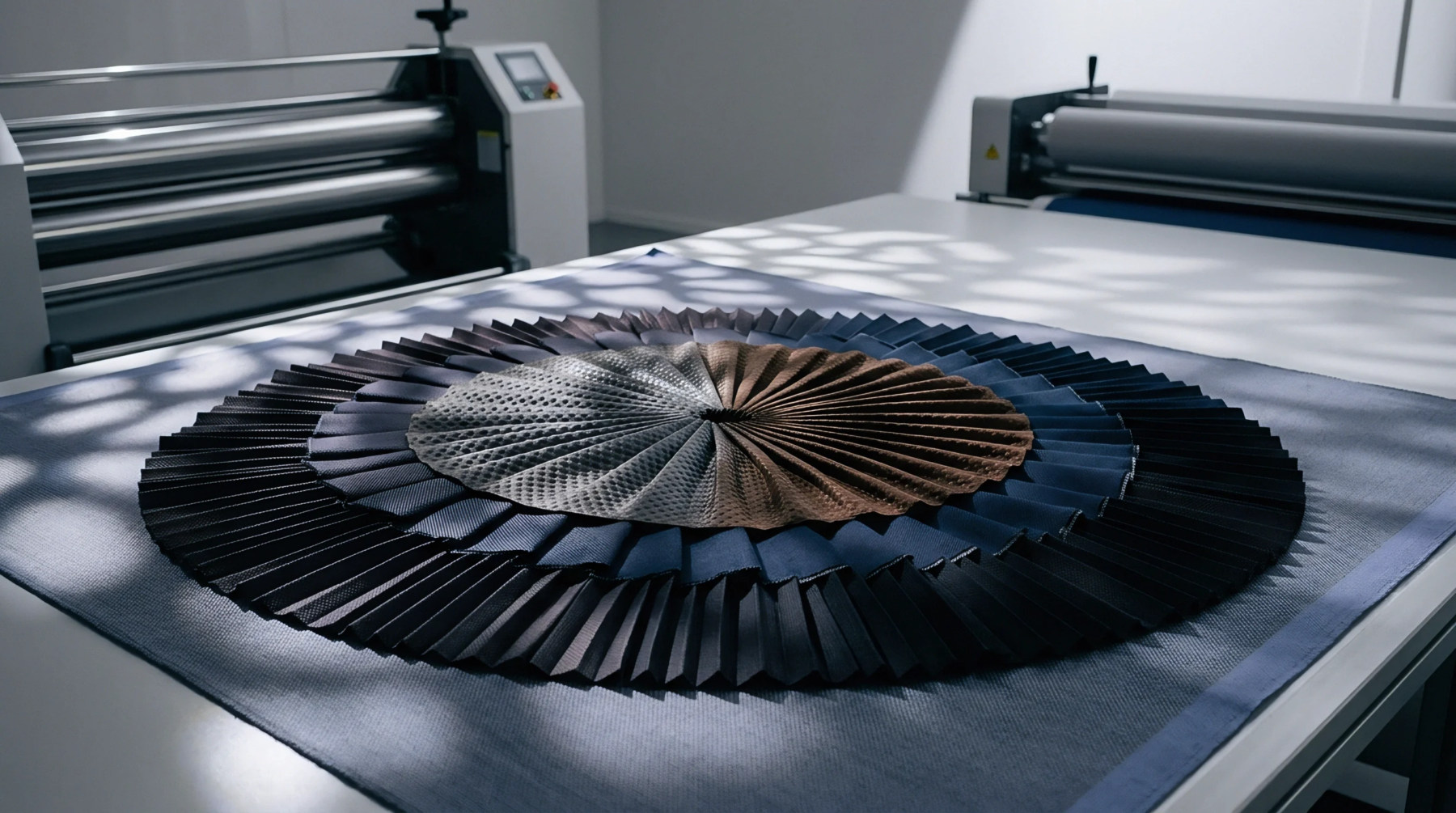
Calendering or laminating processes often compress the fibre network. Heat and pressure can permanently reduce the void space if the material lacks sufficient recovery properties.
Measurement Technique
Air permeability testing before and after a stress event provides a direct measure of this property. A high percentage of porosity retention suggests the structure is stable and will not clog or fail prematurely.
Material Resilience
Resin treatments or binders can be applied to the fibre intersections to reinforce the geometry. These additives prevent the individual filaments from sliding past each other or flattening out under load. In synthetic non-wovens, the degree of thermal bonding at the crossover points determines the stiffness of the matrix.
If the bonds are too weak, the material will compact and lose its effectiveness as a barrier or filter. Proper engineering of the fibre orientation also helps in maintaining the open spaces required for high-performance applications.