Recycled Supply
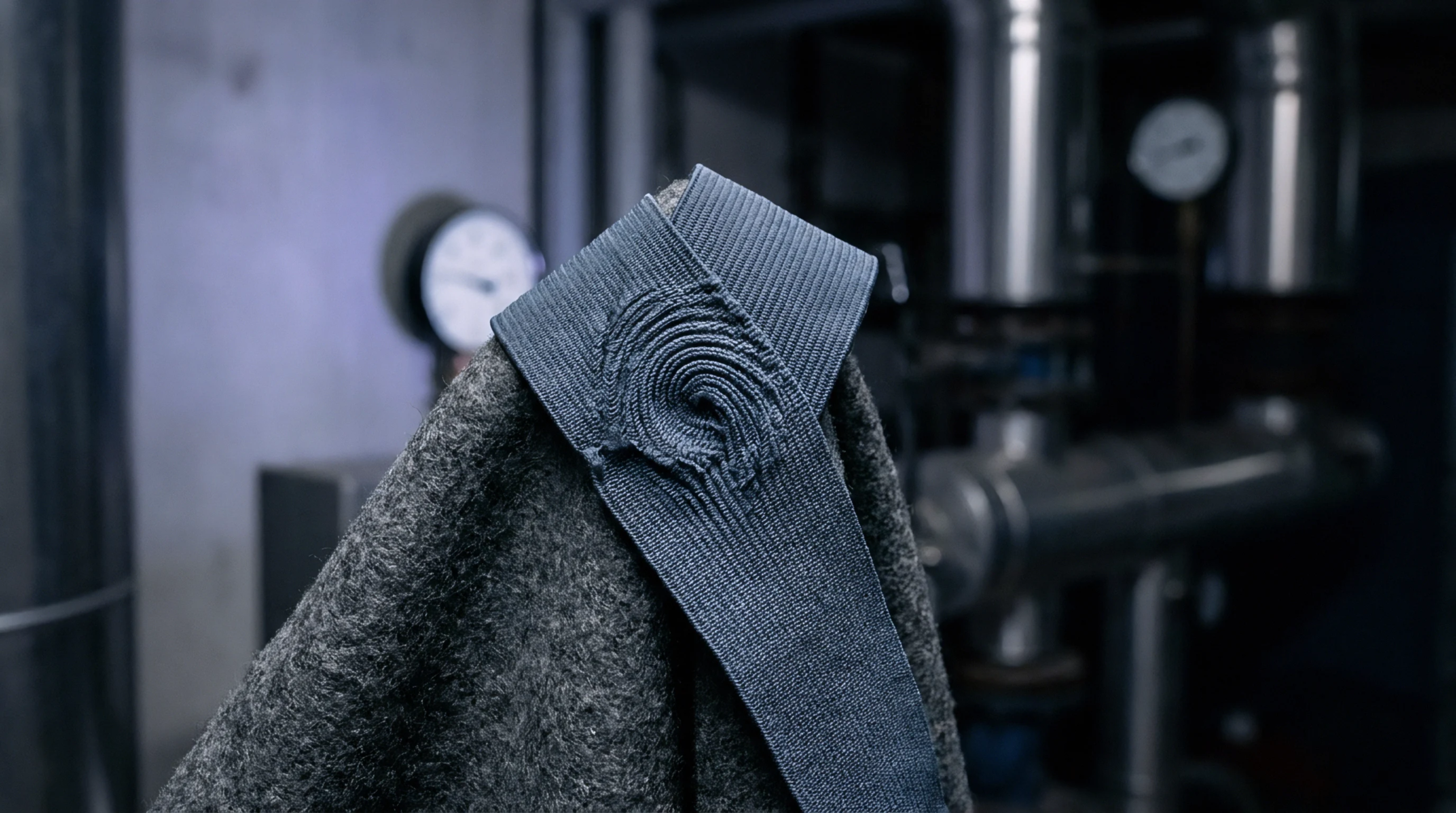
Textile recovery systems divert garments from municipal disposal sites to re-introduce them into the industrial manufacturing cycle. Utilizing post consumer waste provides the raw material for recycled denim and fleece fabrics. This feed stream comprises apparel discarded by end users after its functional life.
Because these items have undergone multiple laundering cycles, the fibers often show significant wear.
Sorting Challenge
Material heterogeneity represents the primary difficulty when recycling these discarded garments. Processing post consumer waste is complicated by the presence of blended fibers, metal zippers, plastic buttons, and elastane threads. Each of these components must be removed or separated before chemical or mechanical recycling can occur.
Manual sorting is slow, and automated optical scanners are required to sort the garments by polymer type and color. This automated separation ensures that each polymer stream meets the purity standards required for chemical depolymerization.
Physical Processing
Mechanical tearing of these garments yields short fibers that are difficult to spin. When post consumer waste is shredded, the tearing action damages the cellulose chains. Spinners blend this recycled fiber with virgin cotton to maintain yarn strength.
This prevents excessive yarn breakages during subsequent knitting.
Environmental Accounting
Traceability certification is required to verify the recycled content claims for commercial apparel brands. Standard audits track the collection and processing of post consumer waste from the initial sorting facility to the finished garment. This verification prevents false claims regarding the recycled origin of the polyester or cotton.
It guarantees that the finished textile contains the stated percentage of recovered material.