Shortwave Infrared Parameter Tuning for Polypropylene Detection in Cotton
Tuning shortwave infrared sensors to 1690 nm with anti-reflective backgrounds isolates thin polypropylene film from cotton at sub-millisecond line scan speeds.
Illumination sources containing tungsten filaments and halogen gas provide the high intensity, broad spectrum light required for the accurate inspection of fabric color. The quartz halogen light is a specialized type of incandescent lamp that can operate at much higher temperatures than standard bulbs, resulting in a whiter light that closely mimics natural daylight. These lamps are used in color matching cabinets and over inspection tables in textile mills to ensure that the shade of the fabric is consistent across different production lots.
Because the color of a textile can appear different under different light sources, a stable and standardized illumination is fundamental for quality control. This phenomenon, known as metamerism, must be managed carefully to avoid customer returns.
Quality assessment of dyed fabrics relies on the ability to see fine variations in hue and saturation that might be invisible under low quality lighting. A quartz halogen light provides a continuous spectral power distribution, which means it emits light across all the wavelengths of the visible spectrum. This allows the human eye or a spectrophotometer to detect subtle differences in the dye application or the presence of streaks and spots.
The quartz envelope of the bulb is resistant to high heat and does not darken over time like glass, ensuring that the light output remains constant throughout the life of the lamp. This stability is essential for maintaining the calibration of the inspection area. Technicians must avoid touching the quartz with their bare hands, as skin oils can cause the bulb to fail prematurely.
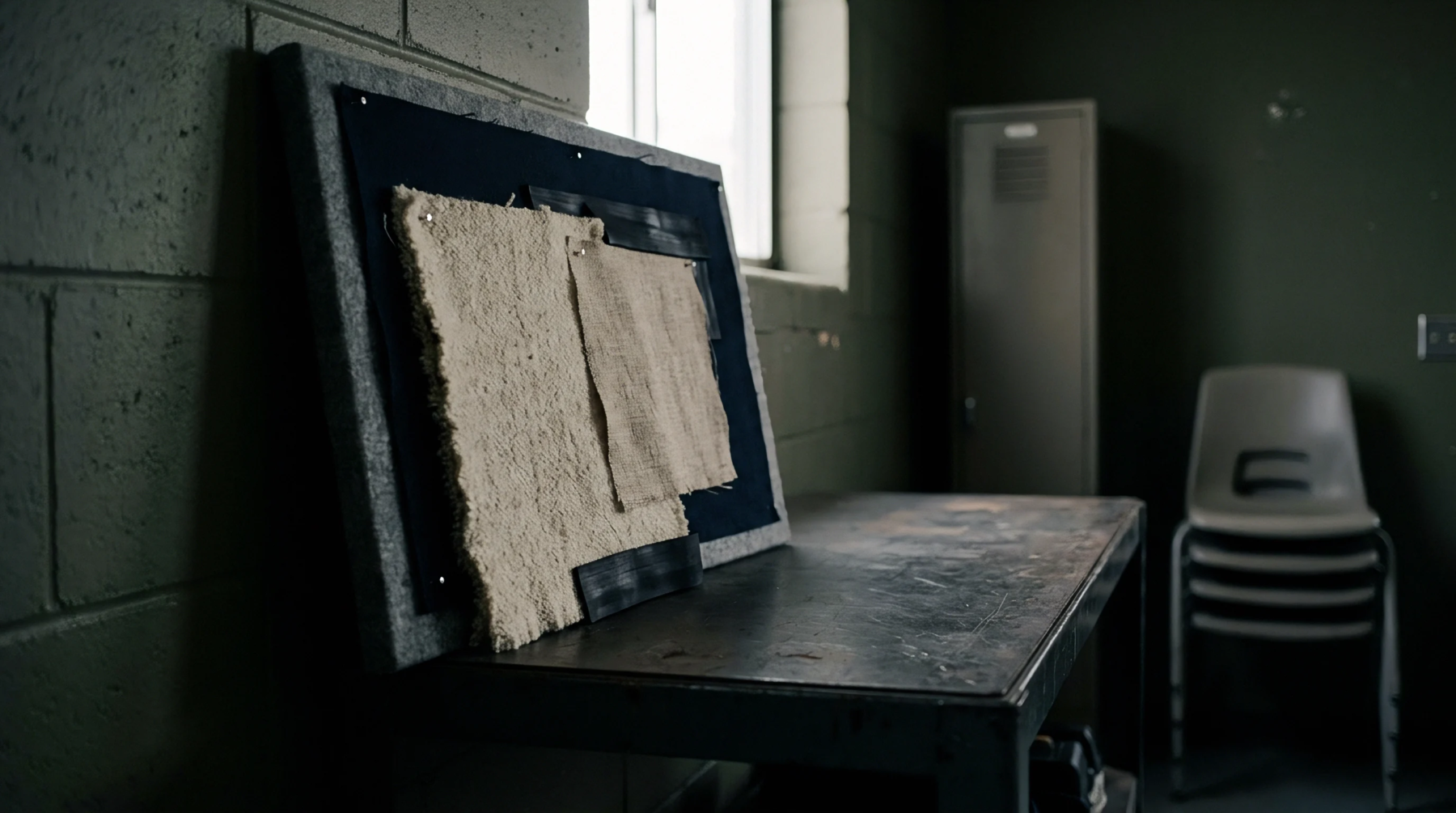
Color matching booths in the laboratory and the finishing plant use these lamps to evaluate the appearance of the fabric under standardized conditions. When using quartz halogen light, the inspector places the fabric sample against a neutral gray background to prevent color interference from the surroundings. The high intensity of the light helps to reveal surface defects like pilling, uneven napping, or broken filaments that could be missed under normal office lighting.
These lamps are often paired with other sources like fluorescent or ultraviolet lights to check how the fabric will look in different environments. This thorough evaluation ensures that a garment will look the same in the retail store as it does in the factory. Consistent lighting is the only way to guarantee that a color match is truly accurate.
Reliability of the visual inspection process depends on the regular replacement and calibration of the lighting system to prevent shifts in the color temperature. Quartz halogen light bulbs have a specific rated life, and their light output can become yellower as they age. Quality managers track the hours of use for each lamp and replace them before they reach the end of their effective service.
The fixtures must also be kept clean and free from dust, as any accumulation on the reflectors or the bulbs will change the quality of the light. Using certified replacement bulbs ensures that the spectral properties of the inspection booth remain within the international standards for color evaluation. This systematic approach to lighting is a key part of the modern textile quality management system.
Final approval of a dye lot is only given after it has been inspected under these controlled conditions.
Tuning shortwave infrared sensors to 1690 nm with anti-reflective backgrounds isolates thin polypropylene film from cotton at sub-millisecond line scan speeds.
Expertise is a utility, not a secret. sentiention™ publishes its working knowledge as open reference: intelligence layer covering the materials it sources, the markets it enters, and the reference that serves both.